Menu

The Revolution of Autonomous Vehicles: How New Technologies Are Transforming Public Transportation

Autonomous vehicles are transforming public transportation through advanced technologies such as artificial intelligence, sensor technology, and connectivity. These innovations enhance safety and efficiency while addressing urban challenges like traffic congestion, accessibility, and environmental impact, reshaping urban mobility for a sustainable future.

The Role of Social Media in the Dissemination of News: Misinformation and its Influence on Public Opinion

Social media has revolutionized news dissemination, enabling rapid information sharing but also fostering misinformation and echo chambers. This dynamic erodes public trust, deepens polarization, and complicates critical thinking. Enhancing media literacy is essential for navigating this landscape and restoring informed public discourse and confidence in news sources.

The Evolution of Film Distribution Models: From Traditional Cinema to Direct-to-Consumer Release

This article explores the transformation in film distribution models, highlighting the shift from traditional cinema to direct-to-consumer strategies. It emphasizes the impact of technology, such as digital streaming and data analytics, which enable filmmakers to connect directly with audiences and redefine how films are accessed and experienced.

The Impact of Artificial Intelligence on Film Scripting and Production

Artificial intelligence is transforming film scripting and production, enhancing creativity and efficiency. By streamlining script development and optimizing production processes, AI tools allow filmmakers to focus on storytelling. This integration fosters innovation in post-production and marketing strategies, shaping a new era of filmmaking that combines technology with artistic expression.

The Influence of Streaming Platforms on Modern Film Production

Streaming platforms have revolutionized modern film production by expanding funding opportunities, promoting diverse storytelling, and enhancing global reach. These innovations allow filmmakers to adopt flexible production models and utilize data-driven marketing strategies, ultimately reshaping how films are created, distributed, and consumed in today’s dynamic entertainment landscape.

The New Era of Low-Budget Cinema: How Technology is Democratizing Film Production

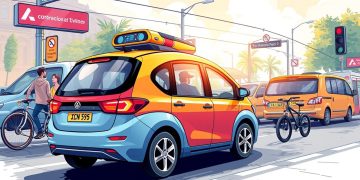
The article explores how advancements in technology are democratizing film production, enabling low-budget cinema to flourish. Accessible equipment, online education, and diverse distribution channels empower aspiring filmmakers to share unique narratives, reflecting a broader range of human experiences. This shift is transforming storytelling and enriching the cinematic landscape.

The Revolution of Virtual and Augmented Reality Technologies in Cinema

Virtual and augmented reality technologies are revolutionizing cinema by immersing audiences in dynamic narratives and enhancing interactivity. These advancements create multi-sensory experiences, allowing viewers to shape stories and engage more deeply. As technology evolves, the future of storytelling promises richer and more engaging cinematic experiences.

Sustainability in the Film Industry: Innovations for More Ecological Productions

The film industry is increasingly prioritizing sustainability through innovative practices like green set design, energy-efficient lighting, and eco-friendly transportation. Collaborations with environmental organizations and policies promoting green productions are fostering ecological responsibility, inspiring both filmmakers and audiences to engage in a collective effort for a more sustainable future in cinema.

Changes in Consumer Preferences: How Diversity and Inclusion Are Transforming the Film Industry

The film industry is evolving as consumer preferences increasingly demand diversity and inclusion. This shift promotes broader representation and authentic storytelling, reflecting various community experiences. Filmmakers engage with underrepresented voices, leading to compelling narratives that resonate deeply with audiences, driving both critical acclaim and box office success.

The Rise of Interactive Cinema: How New Technologies Are Changing the Viewer Experience

The evolution of cinema is reshaping viewer engagement through interactive narratives powered by new technologies. Audiences now participate in choice-based storytelling, immersive experiences, and personalized narratives, enhancing emotional connections. This shift redefines the cinematic landscape, making viewers active participants in an evolving storytelling journey.