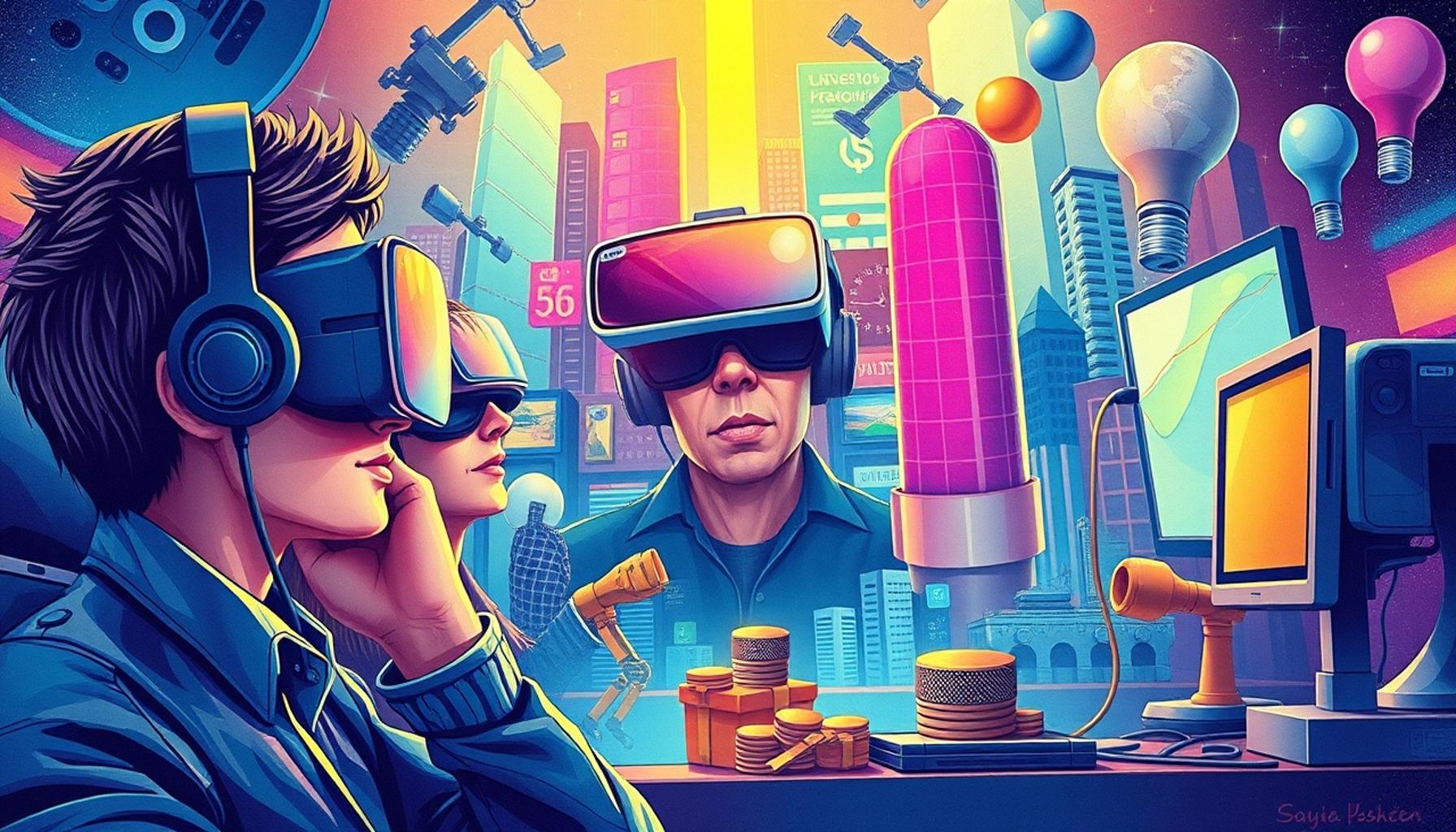
The New Era of Low-Budget Cinema: How Technology is Democratizing Film Production

Filmmaking Revolution: The Impact of Technology
The evolution of filmmaking in recent years can be attributed to the rapid advancements in technology, culminating in an environment where producing a film is more accessible and affordable than ever. This evolution marks a significant shift in the creative landscape, where a diverse array of voices and narratives can emerge, allowing storytelling to thrive beyond traditional confines. The success of many independent films, like “The Blair Witch Project” and “Moonlight,” illustrates the power of low-budget cinema, proving that compelling stories can captivate audiences without the backing of major studios.
Key factors driving this transformation are crucial to understanding how the film industry has become more inclusive:
- Affordable Equipment: In the past, filmmakers needed to invest heavily in equipment, often spending thousands of dollars on cameras alone. However, today’s technology has transformed this landscape. High-quality cameras, such as DSLRs and mirrorless models, can be acquired for just a few hundred dollars. Moreover, user-friendly editing software like Adobe Premiere Pro and DaVinci Resolve are available with monthly subscriptions, making professional-grade tools accessible to individuals and small teams. This shift allows aspiring filmmakers to focus on their creativity rather than financial constraints.
- Online Distribution: The advent of platforms like YouTube, Vimeo, and social media has revolutionized how films reach audiences. Before these platforms, filmmakers often struggled to secure distribution deals with film festivals or traditional studios. Now, an independent filmmaker can share their work with a global audience at the click of a button. For example, channels on YouTube can accumulate millions of views, granting filmmakers both exposure and potential revenue through ads and sponsorships. This democratization of distribution enables storytellers to connect directly with their audience.
- Collaborative Tools: The rise of cloud-based services like Google Drive, Dropbox, and tools like Zoom has made it easier than ever for talent from around the world to collaborate on projects. Filmmakers can share scripts, storyboards, and edits in real-time, fostering creativity without the need for being in the same physical location. This connectivity has given birth to international collaborations, broadening the range of stories being told and enriching the film landscape.
These factors have transformed not only who can create films but also the narratives that are prioritized. We now see a flourishing array of diverse viewpoints that reflect the complexity of the human experience. Stories about marginalized communities, personal struggles, and unconventional narratives are being championed, showcasing an inclusive approach to filmmaking.
As a result, the film industry is in a state of vibrancy and change. With an increasing number of filmmakers equipped with the tools to tell their own stories, audiences can look forward to a future where cinema truly reflects the multifaceted nature of society. This new era is not just about technology; it is about empowering voices and embracing stories that have long been waiting to be told.
DISCOVER MORE: Click here to learn how new technologies are reshaping
Accessibility and Opportunities: The New Wave of Filmmakers
The democratization of film production is reshaping the landscape of cinema, empowering a new generation of filmmakers to create and share their stories. This revolution stems not just from affordable technology, but also from the growing accessibility of education and resources that were once reserved for those within the industry’s elite circles. Today, anyone with a passion for storytelling can embark on their filmmaking journey, regardless of background or financial means.
One of the most significant changes is the proliferation of online educational platforms. Websites like Udemy, MasterClass, and Coursera offer affordable courses taught by industry professionals. Aspiring filmmakers can learn fundamental skills such as screenwriting, cinematography, and editing from the comfort of their own homes. For example, a student in a small town in the U.S. can take a class on directing from a renowned filmmaker based in Los Angeles, effectively bridging geographical gaps in education.
Moreover, access to free resources and communities online has created an environment ripe for collaboration and growth. Filmmaking forums, YouTube channels, and social media groups provide budding filmmakers with a platform to seek advice, share their work, and receive constructive feedback. This sense of community reduces the isolation that can sometimes accompany creative endeavors. For instance, platforms like Reddit have dedicated threads where filmmakers can share tips and experiences, turning sometimes solitary projects into collaborative journeys.
In addition to education, the rise of affordable production resources enables filmmakers to execute ambitious projects with limited budgets. Advances in smartphone technology have equipped filmmakers with high-quality shooting capabilities right in their pockets. For example, films like “Tangerine,” shot entirely on an iPhone, have demonstrated that remarkable results can be achieved without traditional filming equipment. This trend breaks down the barriers for entry, allowing more unique stories to be told in innovative ways.
Equally important is the role of crowdfunding platforms such as Kickstarter and Indiegogo. These sites allow filmmakers to secure funding directly from audiences and supporters who believe in their vision, rather than depending solely on traditional financing methods. A well-crafted campaign can garner the necessary financial backing to bring creative ideas to life. The success stories that emerge from these platforms illustrate the power of community support; many projects have not only met their funding goals but also exceeded them, enabling the production of films that might have otherwise remained dormant due to lack of funds.
In summary, the new era of low-budget cinema is characterized by the combination of accessible education, affordable technology, and community-driven funding. This vibrant environment fosters creativity and innovation, allowing filmmakers to focus on storytelling rather than financial limitations. As we embrace this shift, audiences can look forward to an exciting array of unique narratives that reflect the diverse experiences of filmmakers, ultimately enriching the cinematic landscape.
DIVE DEEPER: Click here to learn more
The Transformative Impact of Streaming Platforms
In addition to advancements in technology and education, the rise of streaming platforms has played a crucial role in the evolution of low-budget cinema. Once dominated by a few major studios, distribution channels are now more diverse, allowing independent filmmakers to reach audiences directly without the constraints of traditional film distribution. Platforms like Netflix, Amazon Prime Video, and Hulu actively seek out original content from independent creators, providing a stage for stories that might otherwise remain unseen.
This shift in distribution means that filmmakers no longer have to solely rely on theatrical releases, which can be costly and risky for non-mainstream projects. Instead, a low-budget film can achieve global visibility through digital release. A prime example is the critically acclaimed film “The Florida Project,” which despite its modest budget, captured significant attention through its availability on various streaming services. Such platforms not only increase the potential audience reach but also allow films to be discovered by viewers through personalized recommendations, leading to organic growth in interest.
Moreover, streaming platforms often provide valuable data analytics that can guide filmmakers in their future projects. By analyzing viewership statistics, filmmakers can gain insights into what types of narratives resonate with audiences. This feedback loop supports the continuous improvement of storytelling techniques and helps creators produce content that aligns with audience preferences. For example, a filmmaker may notice that audiences have a growing interest in diverse narratives or specific genres, enabling them to tailor their upcoming projects accordingly.
A New Era of Marketing and Promotion
The digital landscape has also transformed marketing strategies for low-budget films. Social media has become an indispensable tool for filmmakers to promote their projects, bypassing the need for expensive advertising budgets typically associated with film promotions. Platforms like Instagram, TikTok, and Twitter allow creators to directly engage with audiences, share behind-the-scenes content, and build anticipation for their films. This intimacy between filmmakers and viewers makes marketing efforts not only more cost-effective but also more authentic.
- Engagement through Challenges: Filmmakers can create interactive challenges or campaigns on social media that encourage viewer participation, enhancing community involvement. For instance, the film “Unfriended” utilized a unique social media strategy by creating buzz through interactive horror-themed posts.
- Building a Fan Base: By sharing their creative process online, filmmakers can cultivate a dedicated following. This fan base can, in turn, drive word-of-mouth promotion—an essential factor in the success of independent films.
- Collaborations with Influencers: Working with influencers who share a passion for independent cinema can further broaden exposure. Collaborations can yield a more extensive reach, introducing the film to audiences who might not otherwise seek it out.
These innovative marketing strategies, driven by social media and online engagement, have reshaped how low-budget films are promoted and consumed. They highlight the shift from traditional top-down marketing approaches to grassroots methods that harness the collective power of passionate communities, ultimately transforming how stories are shared in an increasingly visual world.
The convergence of affordable technology, new distribution methods, and modern marketing practices exemplifies how we are entering a new era of filmmaking—one characterized by diversity, creativity, and authenticity. This landscape not only uplifts emerging filmmakers but also ensures that audiences are treated to a broader spectrum of captivating narratives that reflect our shared humanity.
DIVE DEEPER: Click here to learn more
Conclusion
As we navigate through this new era of low-budget cinema, it is clear that technology is not just reshaping the production landscape; it is democratizing it. The affordability of advanced filming equipment, coupled with accessible educational resources, has opened doors for countless aspiring filmmakers. Moreover, the rise of streaming platforms has revolutionized how these creatives can share their works, allowing their unique stories to reach audiences far and wide without traditional barriers.
This shift in distribution and marketing means that any filmmaker, regardless of budget, can find a space in the cinematic universe. Social media tools enable them to connect directly with audiences, cultivate engaged communities, and create buzz without hefty marketing campaigns. The ability to analyze viewer data further empowers creators to refine their storytelling based on real-time audience feedback, fostering a cycle of creative growth and sustainable engagement.
Ultimately, the tide of change in low-budget cinema is not just about reduced financial constraints; it signals a transformation in storytelling itself. Viewers are now presented with more diverse and authentic narratives that reflect the complexities of human experience. As this trend continues, we can expect a flourishing of creativity that will inspire and entertain, proving that remarkable cinema can emerge from even the humblest beginnings. The future of filmmaking is bright, inclusive, and entirely within reach for those brave enough to tell their stories.

Linda Carter
Linda Carter is a writer and expert known for producing clear, engaging, and easy-to-understand content. With solid experience guiding people in achieving their goals, she shares valuable insights and practical guidance. Her mission is to support readers in making informed choices and achieving significant progress.