
The Revolution of Autonomous Vehicles: How New Technologies Are Transforming Public Transportation
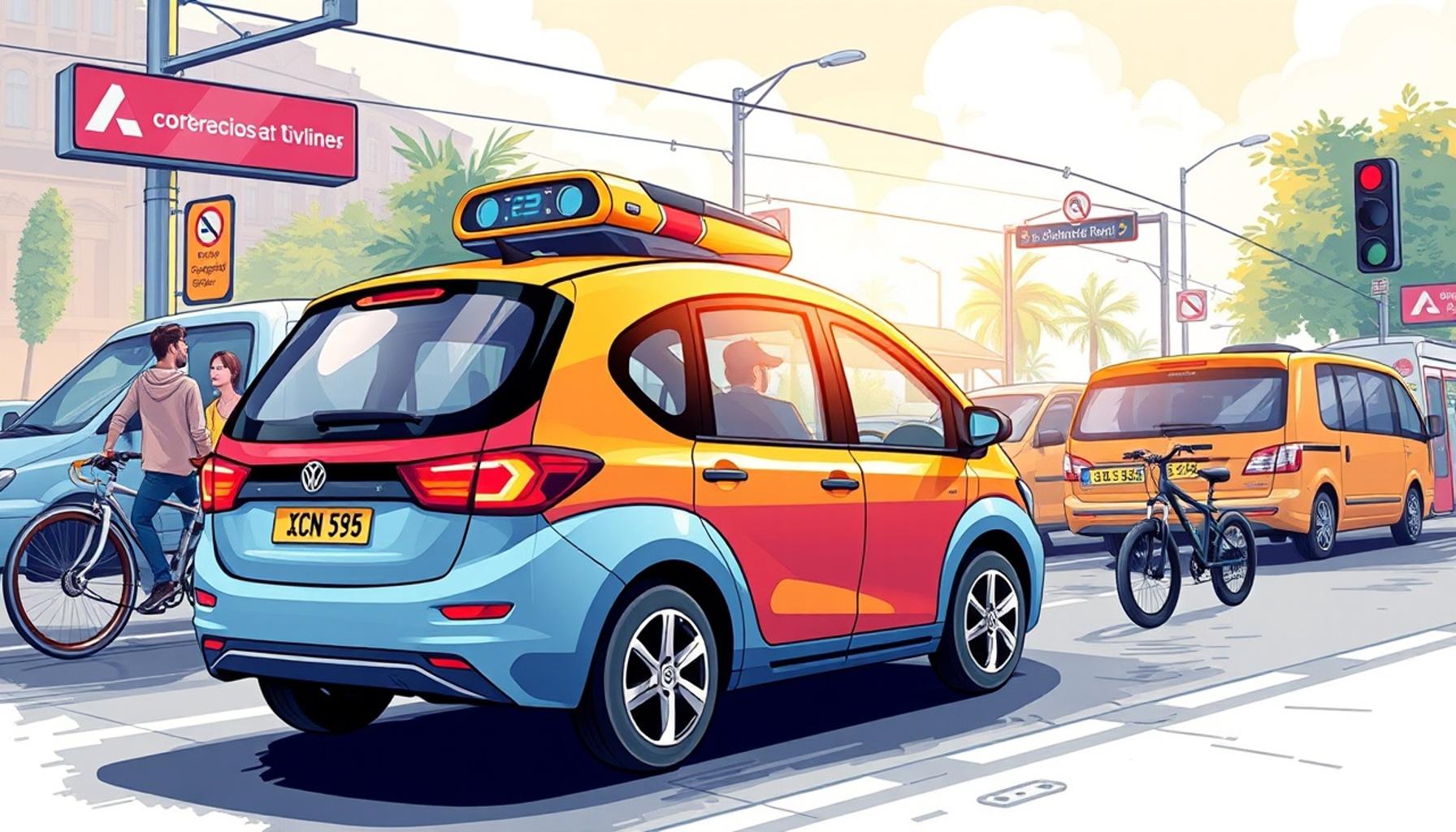
Technological Drivers of Autonomous Vehicles
The rise of autonomous vehicles is fundamentally altering our public transportation systems. This transformation is not merely about replacing drivers; it is about revolutionizing how we think about urban mobility. Central to this evolution are several key technological innovations that promise to enhance the usability and safety of transportation for all.
Artificial Intelligence
Artificial Intelligence plays a critical role in the operation of autonomous vehicles. It is responsible for processing vast amounts of data from various sources, including road conditions, traffic patterns, and passenger needs. By using algorithms and machine learning, AI enables vehicles to make real-time decisions, such as adjusting routes to avoid traffic congestion. For example, in cities like San Francisco, self-driving shuttles use AI to navigate complex urban environments while picking up and dropping off passengers efficiently.
Sensor Technology
Sensor technology is another pillar of autonomous vehicle development. Vehicles are equipped with an array of sensors, including cameras, radar, and LiDAR (Light Detection and Ranging), to constantly monitor their surroundings. These sensors enable vehicles to detect obstacles, recognize traffic signals, and maintain safe distances from other road users. The effectiveness of these systems can be critical; for instance, a self-driving bus in Austin, Texas, successfully navigated a busy intersection, demonstrating high levels of safety and reliability in urban settings.
Connectivity
The concept of connectivity is perhaps one of the most exciting aspects of autonomous vehicles. This technology allows vehicles to communicate with each other as well as with traffic lights and road signs, creating a smarter traffic management system. For instance, by sharing data about their locations and speeds, autonomous buses can coordinate their movements to improve flow and reduce stop-and-go traffic, which is a common frustration in metropolitan areas.
Urban Challenges Addressed by Autonomous Vehicles
As cities pilot self-driving buses and shuttles, these initiatives directly tackle several pressing urban challenges:
Traffic Congestion
Traffic congestion is a persistent issue in urban areas, leading to lost productivity and increased pollution. Autonomous vehicles can help alleviate these problems by combining rides or optimally routing vehicles to minimize the number of cars on the road. As seen in projects like the “LA Metro microtransit,” self-driving shuttles adjust their routes based on passenger demand, thereby reducing wait times and traffic volume.
Accessibility
The enhancement of accessibility is another significant benefit of autonomous vehicles. Many individuals with mobility challenges struggle to find reliable transportation. Autonomous shuttles can provide on-demand services, ensuring that everyone, regardless of their physical capabilities, can easily access public transport. For example, in Denver, Colorado, pilot programs for self-driving services have included options tailored specifically for the elderly and disabled, creating a more inclusive transit system.
Environmental Impact
Lastly, the environmental impact of autonomous vehicles cannot be understated. By integrating electric vehicle technology with autonomous systems, cities can significantly reduce carbon emissions. Initiatives like the self-driving electric buses in Seattle demonstrate how electrification paired with automation can create greener public transportation options.
In conclusion, the integration of autonomous vehicles into public transport systems has the potential to reshape urban environments. By adopting advanced technologies and innovative models, we can tackle issues like traffic congestion, accessibility, and environmental sustainability. Understanding these factors will not only help to prepare societies for this imminent change but also enrich the conversation about the future of urban mobility.
DISCOVER MORE: Click here for tips on getting free clothes from Shein
Technological Innovations Shaping the Future of Transport
The evolution of autonomous vehicles represents a significant leap forward in public transportation, propelled by various emerging technologies. These innovations not only promise increased safety and efficiency but also aim to fundamentally change the way urban residents commute. Understanding these technological drivers is essential for grasping the broadened vision of mobility that autonomous vehicles are setting in motion.
Artificial Intelligence
Artificial Intelligence (AI) is at the heart of the autonomous transportation revolution. Through advanced algorithms and extensive machine learning capabilities, AI can analyze data from numerous sources—ranging from road and traffic conditions to passenger behavior. This enables vehicles to adapt and make informed decisions on the fly. A prime example is in Phoenix, Arizona, where self-driving taxis utilize AI to optimize routes based on real-time traffic flows, reducing travel times and enhancing passenger satisfaction.
Sensor Technology
Another foundational aspect of autonomous vehicles is sensor technology. Equipped with sophisticated devices such as cameras, radar, and LiDAR (Light Detection and Ranging), these vehicles can continuously monitor their surroundings. This technology averts potential accidents by allowing vehicles to detect pedestrians, other vehicles, and obstacles on the road. For instance, in Pittsburgh, autonomous delivery vans use a combination of these sensors to navigate city streets safely while making deliveries, proving that technology can wield significant influence in enhancing safety standards in urban logistics.
Connectivity
Connectivity is an increasingly vital feature in the development of autonomous vehicles. This technology enables vehicles to communicate with each other and with infrastructure items like traffic signals and roadside sensors. The concept of vehicle-to-everything (V2X) communication creates a networked environment that allows for smoother traffic flow and better traffic management. For example, in Dallas, autonomous shuttles equipped with V2X technology can adjust their speeds or routes based on data received from nearby traffic lights, effectively reducing congestion and wait times for passengers.
Urban Challenges Addressed by Autonomous Vehicles
As cities begin to embrace autonomous vehicles, numerous urban challenges that have long plagued residents are being addressed:
- Traffic Congestion: Autonomous vehicles are designed to optimize traffic patterns. By coordinating the movements of multiple vehicles, self-driving shuttles can lessen road congestion, particularly during rush hours. Programs like the “Waymo One” in California have demonstrated how autonomous ride-sharing can help reduce the number of cars on the roadway, contributing to a more efficient transportation system.
- Accessibility: Autonomous transportation offers expanded mobility for populations lacking reliable access, such as the elderly or disabled. By offering on-demand shuttle services, cities can ensure equal access to hubs of activity, reducing social isolation. In suburban areas of Maryland, pilot programs featuring self-driving buses have begun to offer scheduled trips that are designed around user demand.
- Environmental Impact: The integration of electric vehicle technology with autonomous systems presents a dual benefit—reducing both operational costs and harmful emissions. Initiatives like Los Angeles’ electric autonomous shuttles highlight how environmentally-friendly technology can be part of a sustainable public transit framework.
In conclusion, the integration of autonomous vehicles into public transport systems has the potential to reshape urban environments. By fostering innovation and adopting advanced technologies, cities can effectively tackle issues like traffic congestion, accessibility, and environmental sustainability. Understanding these factors will not only help societies prepare for this imminent change but also enrich the broader conversation about the future of urban mobility.
DISCOVER MORE: Click here for insights on applying
The Economic Implications of Autonomous Transportation
Alongside technological advancements, the rise of autonomous vehicles carries profound economic implications for cities and their residents. These vehicles not only promise a new era of convenience and accessibility but also pave the way for significant changes in job markets, urban infrastructure, and public finance.
Job Market Transformations
The introduction of autonomous vehicles is expected to reshape the job market dramatically. While there are concerns regarding job displacement—particularly for drivers in rideshare and delivery sectors—new opportunities are emerging in technology, engineering, and vehicle maintenance. As per a study by the McKinsey Global Institute, up to 15 million American workers could be affected by automation. However, the same report highlights that this shift is likely to create new job categories focused on vehicle development, software engineering, and cybersecurity. Training programs tailored to equip workers with the necessary skills for this evolving landscape will be crucial in mitigating the impact of job displacement.
Urban Infrastructure Investment
The integration of autonomous vehicles into public transportation systems necessitates a rethink of urban infrastructure. Cities must invest in sophisticated data networks, smart traffic management systems, and dedicated lanes for autonomous vehicles. For example, cities like San Francisco are exploring the development of smart intersections equipped with AI-driven traffic lights that can communicate with autonomous vehicles, enhancing safety and optimizing traffic flow. Such investments not only promise immediate benefits in efficiency and safety but can also stimulate economic growth through job creation in construction and technology sectors.
Public Financing and the Rise of Autonomous Public Transit
Autonomous vehicles offer cities a chance to innovate public transit systems while also addressing funding deficits that many municipalities face. By adopting autonomous shuttles and buses, local governments can reduce operational costs associated with traditional transit. For instance, in projects like the Gatik autonomous delivery service in Arkansas, local businesses can depend on self-driving vehicles for efficient goods transportation without the high expenses tied to human drivers. This cost-saving approach could free up budgetary resources, allowing cities to invest in other essential services or infrastructure improvements.
Sustainability and Economic Viability
The environmental benefits of autonomous vehicles correlate directly with long-term economic viability. Transitioning to fleets that merge autonomous technology with electric vehicles can reduce the dependence on fossil fuels, mitigating the economic impact of fluctuating oil prices. Moreover, as cities enact stricter environmental regulations, public transportation systems that utilize self-driving electric vehicles will be essential to comply with these demands. Cities like Seattle and Denver have already begun integrating electric autonomous buses in their transit networks, laying the groundwork for a sustainable future in public transportation.
Real-world Applications and Trials
Cities throughout the United States are currently conducting pilot programs and trials to integrate autonomous vehicles into their public transit systems. For example, in Las Vegas, a fleet of self-driving shuttles has been utilized to transport visitors along a designated route on the Strip, providing a real-time testing ground of the technology. This hands-on approach helps local governments understand the benefits and challenges of implementing autonomous vehicles, informing future policy decisions and public investment strategies.
As more cities explore the economic implications and benefits that autonomous vehicles can offer, it becomes evident that they represent a comprehensive solution to numerous urban challenges. Such advancements not only aim to improve the efficiency and safety of public transport but also address the broader economic dynamics that are crucial for sustainable urban development.
DIVE DEEPER: Click here to discover how to apply
Conclusion
In summary, the revolution of autonomous vehicles is set to fundamentally transform public transportation systems across the United States. As we have explored, the adoption of self-driving technology promises to enhance efficiency, safety, and accessibility for commuters, while concurrently addressing environmental concerns through the integration of electric vehicles. These changes will not only improve daily experiences for citizens but also reshape urban landscapes.
Moreover, the economic implications of this technology cannot be overlooked. While job displacement is a valid concern, it is equally important to recognize the opportunities for new employment in emerging sectors such as engineering and cybersecurity. Cities will need to adapt their infrastructure and invest in innovative solutions to support the seamless integration of autonomous vehicles, thus creating a ripple effect of job creation and economic revitalization.
The ongoing pilot programs in cities like Las Vegas and San Francisco serve as practical examples of how these technologies can be tested and refined before wider implementation. As more cities embark on similar initiatives, it is clear that autonomous vehicles have the potential to address pressing urban challenges, redefine the public transit experience, and promote a sustainable future. Ultimately, embracing these advancements is not merely about adapting to change; it is about seizing the opportunity to build smarter, more livable cities for generations to come.

Linda Carter
Linda Carter is a writer and expert known for producing clear, engaging, and easy-to-understand content. With solid experience guiding people in achieving their goals, she shares valuable insights and practical guidance. Her mission is to support readers in making informed choices and achieving significant progress.