
The Revolution of Virtual and Augmented Reality Technologies in Cinema
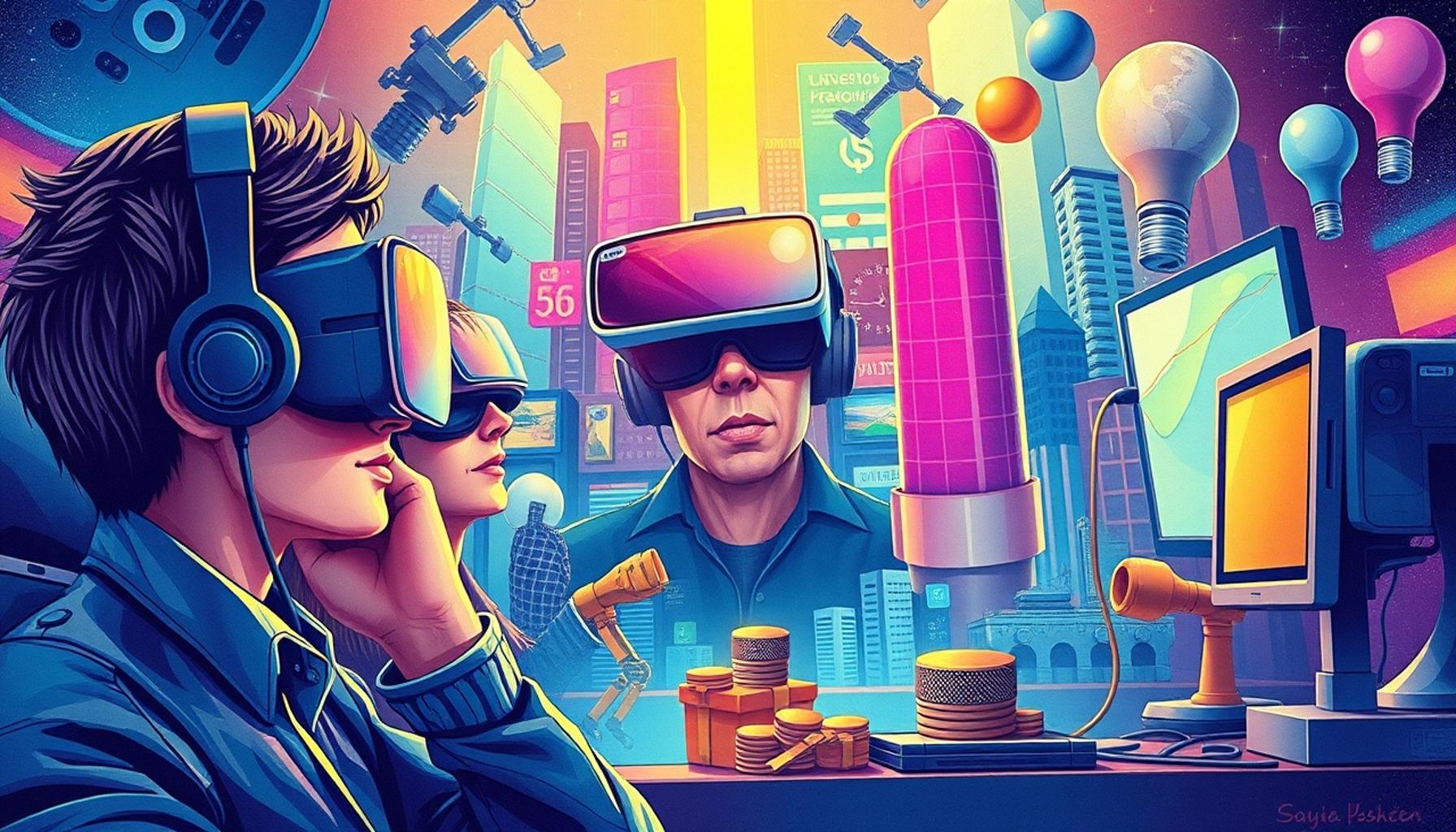
The Transformative Power of VR and AR in Cinema
The evolution of cinema is closely tied to technological advancements, and in recent years, Virtual Reality (VR) and Augmented Reality (AR) have emerged as groundbreaking tools that are reshaping the landscape of storytelling. Unlike traditional film, where the viewer passively observes, these technologies invite audiences to step into the narrative, transforming them from mere spectators into active participants in dynamic worlds.
Immersion: An Engaging Experience
One of the most significant effects of VR and AR is the ability to create a profound sense of immersion. Viewers can experience scenes as if they are truly part of the action. For instance, VR short films like “The Lion King: Circle of Life” allow users to explore the African savannah and interact with wildlife, providing an experience that transcends conventional viewing. This level of engagement not only captivates the audience but also elicits emotional responses that make the story more impactful.
Interactivity: Shaping the Plot
Another thrilling aspect of VR and AR in cinema is interactivity. Filmmakers now have the capability to design narratives where decisions made by the audience can influence outcomes. A prime example of this is the Netflix film “Black Mirror: Bandersnatch,” where viewers can select paths and make choices for the main character, leading to multiple endings. This interactive format creates a personalized viewing experience, encouraging viewers to return and explore different narrative possibilities.
Visual Effects: A New Level of Realism
Advancements in visual effects powered by VR and AR technologies enable filmmakers to create astonishing visuals that push the boundaries of imagination. Films like “Avatar” showcase stunning landscapes and captivating creatures, made possible through sophisticated computer graphics combined with immersive AR elements. The breathtaking visual storytelling captivates audiences, making the world of the film feel tangible and plausible.
Looking Ahead: The Future of Storytelling
As filmmakers continue to experiment with these cutting-edge technologies, we can anticipate a future where storytelling becomes even more dynamic and visually stunning. The integration of VR and AR is not just a fleeting trend; it’s a profound revolution that promises to redefine the cinematic landscape. This evolution in storytelling opens up new avenues for creativity and expression, leading to a richer and more engaging experience for audiences across the globe.
In conclusion, the world of cinema is on the brink of a remarkable transformation due to the integration of VR and AR. As these technologies develop and become more accessible, we can expect exciting changes in how stories are crafted and delivered, drawing viewers into experiences that are not just watched but lived.
DISCOVER MORE: Click here to dive deeper
The Engagement and Transformation of Audiences
At the heart of the revolution ushered in by Virtual Reality (VR) and Augmented Reality (AR) in cinema is the profound ability to engage audiences on a deeper level than ever before. While traditional films have primarily relied on visual and auditory cues to convey stories, VR and AR technologies revolutionize this by effectively immersing viewers in the narrative environment, enabling them to experience content through a multi-sensory approach. This transition from passive observation to active participation fundamentally alters how stories are told and consumed.
Creating a Multi-Sensory Experience
One of the defining features of VR and AR is their ability to stimulate various senses simultaneously. With VR, viewers wear headsets that completely envelop them in a 360-degree world, allowing them not only to see but to hear and react in real time. For example, in VR experiences like “The Walking Dead: Onslaught,” players can experience life as a character within the apocalyptic universe, feeling the weight of decisions made in the heat of the moment. This heightened level of sensory engagement captures audiences and fosters a stronger emotional connection to the narrative.
Expanding the Horizon of Storytelling
With the advent of AR technology, filmmakers can now overlay digital elements onto the real world, creating blended experiences that enhance storytelling. For instance, AR applications can bring characters or scenes into a viewer’s own living space, making the cinematic experience not just about what is shown on the screen but about how it interacts with the viewer’s own environment. Movies like “Ghostbusters: Afterlife” have begun to experiment with AR marketing, allowing fans to interact with the film’s universe in a captivating way before the film is even released.
The Role of Audience Agency
Perhaps one of the most exciting elements of VR and AR in cinema is their ability to give viewers agency, allowing them to shape their own experiences. This interactivity can take various forms, such as choosing different paths within a story or influencing character outcomes based on personal decisions. Here are some examples of how this concept is currently being implemented:
- Immersive Experiences: Films like “The Invisible Man” have adapted to VR, offering viewers a perspective that gives them control over their observational experience.
- Interactive Narratives: Productions like “Allumette” highlight the potential for viewers to make choices that affect the storyline, creating a compelling reason for them to engage repeatedly.
- Player-Driven Content: Games and films can merge, allowing audiences to take direct action in the story through gameplay mechanics intertwined with cinematic scenes.
As audiences gain more agency within narratives, the traditional linear storytelling format may evolve to embrace more open-ended experiences. This shift opens the door for innovative plot structures, with stories designed to be fluid and responsive to viewer choices.
Overall, the integration of VR and AR technologies in cinema marks a seismic shift in how stories are experienced. With audiences at the center of the action, filmmakers now have the opportunity to connect with viewers in unprecedented ways, bringing forth a new era of cinematic engagement.
DISCOVER MORE: Click here to dive deeper
The Technological Innovations Driving Change
As Virtual Reality (VR) and Augmented Reality (AR) continue to reshape the cinematic landscape, several technological innovations play a pivotal role in this transformation. These advancements not only enhance the capabilities of filmmakers but also elevate the overall viewing experience for audiences.
High-Definition Visuals and Spatial Audio
One of the key factors contributing to the rise of VR and AR in cinema is the development of high-definition visuals and spatial audio technologies. With VR headsets becoming increasingly sophisticated, filmmakers are now able to deliver stunningly realistic visuals that make immersive experiences more compelling. Take the release of “Star Wars: Vader Immortal,” for instance; it utilizes advanced graphics rendering techniques that immerse players in a galaxy far, far away, making them feel like they’re part of the epic saga. Similarly, spatial audio enhances the viewer’s experience by creating a 360-degree sound environment, making sounds come from different directions and intensifying the sensation of being in an immersive world.
Real-Time Rendering
Another significant advancement is the introduction of real-time rendering technology. This means that scenes can be created and manipulated on-the-fly, allowing filmmakers to present dynamic and interactive content seamlessly. The ability to adjust scenarios and environments in real-time gives creators the flexibility to explore new storytelling methods. For example, projects like “Fracked” leverage this technology to offer players a more interactive journey through their virtual environments, enabling them to manipulate elements as they navigate through the storyline. Real-time rendering surpasses the limitations of traditional animation, thereby enhancing creativity in filmmaking.
The Rise of Collaborative Platforms
As VR and AR technologies evolve, another aspect that has gained traction is the development of collaborative platforms for filmmakers. These platforms allow creators from various parts of the world to work together in virtual environments, sharing insights and coordinating efforts in a synchronized manner. Software like “Unity” and “Unreal Engine” not only serve as development tools but also facilitate collaboration in building immersive worlds and narratives. This fosters inclusivity and diversity in storytelling, allowing perspectives from different cultures to be blended into cinematic experiences. The resulting collaborations can lead to the development of rich, multidimensional stories that reflect a broader range of human experiences.
The Impact on Distribution and Accessibility
The distribution of VR and AR content is also transforming the landscape of cinema. Unlike traditional films that require a theater setup, VR and AR experiences can be accessed through personal devices like smartphones and VR headsets at home. This democratization of access means that audiences no longer need specific venues to enjoy groundbreaking cinematic experiences. For example, platforms like Oculus TV are emerging to host VR films and experiences, making them available to a wider audience. The accessibility of these technologies encourages more filmmakers to experiment with VR and AR narratives, fostering innovation that redefines how stories are engaged with globally.
Ultimately, the intersection of innovative technology and storytelling in VR and AR significantly enhances viewer engagement, paving the way for a new cinematic revolution. As these technologies continue to develop, they promise to reshape the cultural landscape, offering enriching experiences that connect audiences to stories like never before.
DIVE DEEPER: Click here to discover more
Conclusion
The emergence of Virtual Reality (VR) and Augmented Reality (AR) technologies has revolutionized the cinema industry, opening new horizons for storytelling and audience engagement. As highlighted throughout this article, advancements in high-definition visuals and spatial audio create engaging, immersive experiences that pull viewers into their favorite narratives. Innovations such as real-time rendering empower filmmakers to craft dynamically interactive stories, allowing audiences to influence and personalize their journeys in unprecedented ways.
Furthermore, the rise of collaborative platforms has enabled creators from diverse backgrounds to join forces, enriching cinematic storytelling with varied perspectives and cultural elements. This increased collaboration fosters a creative environment where groundbreaking narratives can flourish, reflecting the complexities and richness of global experiences. The availability and accessibility of VR and AR content through personal devices also democratize the cinematic experience, breaking down barriers that once limited audience engagement to physical theaters.
In closing, as the technology behind VR and AR continues to evolve, it carries the potential to reshape not just how stories are told but how they are experienced. Future filmmakers stand on the brink of a new cinematic era where the lines between reality and imagination blur. Embracing these tools not only enhances the art of storytelling but also paves the way for a more interactive and connected audience experience. As we advance into this promising future, it is evident that VR and AR will play a crucial role in defining the next generation of cinema.

Linda Carter
Linda Carter is a writer and expert known for producing clear, engaging, and easy-to-understand content. With solid experience guiding people in achieving their goals, she shares valuable insights and practical guidance. Her mission is to support readers in making informed choices and achieving significant progress.