Menu

The Effect of Surveillance Technologies on Privacy and Civil Liberties

Surveillance technologies increasingly permeate daily life, raising significant privacy and civil liberties concerns. This overview examines their implications, including issues of consent, discrimination, and data misuse. Balancing security with individual rights is crucial for fostering a society where technological advancement does not compromise personal freedoms.

The Role of Artificial Intelligence in Reducing Social Inequalities

Artificial Intelligence is revolutionizing approaches to tackle social inequalities by enhancing education, healthcare access, and employment opportunities. Through personalized learning, improved healthcare interventions, and unbiased recruitment processes, AI is essential for creating equitable opportunities and fostering community empowerment, driving social justice for marginalized groups.

The Influence of Social Networks on the Mobilization of Social Movements

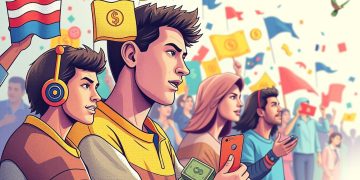
Social networks play a vital role in the mobilization of social movements by enhancing connectivity, fostering community engagement, and amplifying voices of marginalized groups. Their capacity to disseminate viral content influences public awareness and participation, while challenges like misinformation require activists to navigate the digital landscape strategically for effective social change.

The Role of Technology in Social Inclusion: How Innovations Are Facilitating Access to Essential Services

Technology significantly enhances social inclusion by improving access to essential services like healthcare, education, and financial management. Innovations such as telehealth and online education empower individuals, bridging gaps caused by geography and socio-economic status. Efforts to address the digital divide foster equitable opportunities for all members of society.

Artificial Intelligence and Inequality: The Impact of Automation on the American Labor Market

The rise of artificial intelligence and automation poses significant challenges to the American labor market, exacerbating economic inequality. Job displacement impacts low-skilled workers, while wage polarization benefits high-skilled positions. Addressing the skills gap and ensuring equitable access to training are crucial for fostering a more inclusive workforce amid these changes.

The Revolution of Social Media: How Platforms Are Transforming Social Movements in the USA

Social media has revolutionized activism in the USA by enabling rapid communication, mobilizing support, and amplifying marginalized voices. Platforms like Twitter and Instagram facilitate community building, emotional engagement, and instantaneous organizing, transforming how social movements gain momentum and drive social change in today's digital landscape.

Telemedicine and Health Equity: The Transformation of Access to Medical Care in Vulnerable Communities

Telemedicine is revolutionizing access to medical care for vulnerable communities by providing convenient, cost-effective healthcare solutions. By overcoming barriers such as transportation and socioeconomic challenges, telemedicine enhances health equity and improves health outcomes. Ongoing efforts are essential to ensure continued access and address issues like internet connectivity and digital literacy.

Disinformation and Democracy: The Impact of Fake News on Political Decisions in the USA

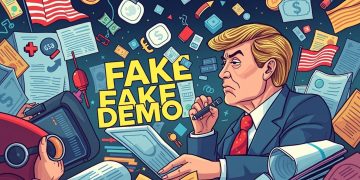
The article explores how fake news undermines democracy in the USA by eroding trust in media and influencing political decisions. It highlights the role of social media in spreading disinformation, intensifying polarization, and shaping voter behavior, emphasizing the need for media literacy to combat misinformation and protect democratic integrity.

The Streaming Revolution: How Creative Disruption Is Transforming Filmmaking

The film industry is undergoing a transformative shift driven by streaming platforms, altering production, distribution, and audience engagement. This revolution fosters diverse narratives, empowers independent filmmakers, and promotes inclusivity while incorporating advanced technologies, ultimately redefining storytelling and enhancing the cinematic experience for a global audience.

Diversity and Inclusion in Stories: Creative Disruption as a Driver of Change in Audience Preferences in Films

The film industry is shifting towards diversity and inclusion, reflecting audience demands for authentic narratives. By embracing creative disruption, filmmakers break traditional storytelling norms, enhancing representation across various identities. This not only enriches cinematic experiences but also drives audience engagement and economic success in an evolving landscape.