Changes in Consumer Preferences: How Diversity and Inclusion Are Transforming the Film Industry
Transformative Changes in Filmmaking
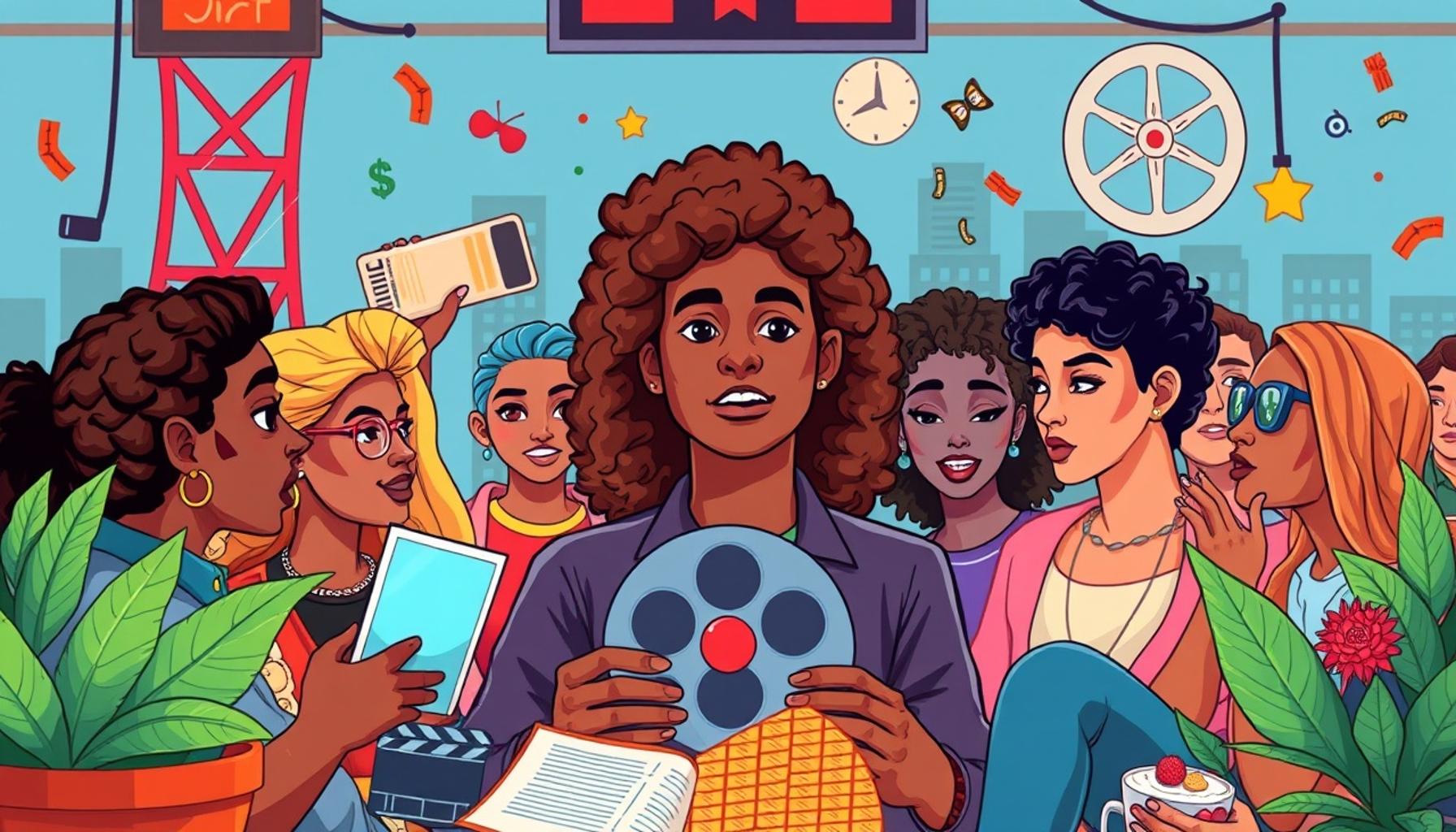
In recent years, the film industry has undergone a significant transformation driven largely by the demand for diversity and inclusion. As audience expectations evolve, filmmakers are paying closer attention to the representation of various communities on screen. This change is not merely a passing trend; it mirrors a broader societal shift towards more equitable and authentic storytelling.
Broader Representation
One of the most notable changes in cinema is the push for broader representation. Films are no longer dominated by a uniform cast of characters; instead, we see a rich tapestry of individuals from varying races, ethnicities, sexual orientations, and socio-economic backgrounds. For instance, films like “Black Panther” and “Crazy Rich Asians” broke box office records while showcasing predominantly Black and Asian casts, respectively. These films not only provide representation but also create a sense of belonging and recognition among viewers who see aspects of their own lives reflected in the stories being told.
Authentic Storytelling
Alongside representation, the call for authentic storytelling has gained traction. Filmmakers are increasingly focused on crafting narratives that resonate with diverse experiences rather than relying on outdated tropes. A great example is the film “Moonlight,” which tells the coming-of-age story of a young Black man grappling with his identity and sexuality. The production sought input from real-life experiences, which added layers of depth and authenticity to the story. This approach invites audiences to feel a genuine connection to the characters and their journeys.
Audience Engagement
The current landscape shows that audiences are more inclined to support films that resonate with their realities. This shift in audience engagement has led to an increase in box office success for films that prioritize diversity and inclusivity. Viewers are actively seeking stories that reflect their communities’ joys, struggles, and complexities. According to a report from the USC Annenberg Inclusion Initiative, films with diverse casts earned higher revenue, indicating that inclusivity can also be a sound business strategy for studios.
The Impact of Inclusivity
This emphasis on inclusivity is reshaping the storytelling landscape of the film industry. By embracing unique perspectives, filmmakers are ensuring that everyone feels seen and heard. An increasing number of films now feature multi-dimensional characters and delve into complex themes such as identity, belonging, and societal challenges. For instance, shows like “Pose” and “The Hate U Give” tackle issues like race and LGBTQ+ rights head-on, fostering dialogue and understanding.
In conclusion, the film industry’s shift towards diversity and inclusion is both a reflection of societal values and a crucial step toward more authentic storytelling. As audiences continue to demand representation, filmmakers are responding with compelling narratives that connect deeply with viewers, leaving a lasting impact on the cinematic landscape.
DIVE DEEPER: Click here to discover the evolution of cinematic experiences
Consumer Expectations and the Modern Film Industry
As we explore the transformative changes in the film industry, it’s vital to recognize the role of consumer expectations in shaping cinematic narratives. Today’s audiences are not only more diverse but are also increasingly vocal about the importance of representation and inclusion. This cultural shift means that filmmakers must be more attuned to the preferences of their viewers, taking into account the varied backgrounds and experiences that make up the broader population.
Shifting Demographics
The demographics of moviegoers have changed significantly over the past few decades. According to the Motion Picture Association, more than half of movie ticket buyers in the United States identify as people of color or members of the LGBTQ+ community. This shift compels studios to cater to a wider range of tastes and narratives, reflecting the reality of a diverse society. It also encourages filmmakers to tell stories that resonate with a broader audience, moving away from traditional formulas that often exclude these voices.
Consumer Influence on Film Content
As audiences become more socially conscious, they wield increasing influence over film content. Ratings on platforms like Rotten Tomatoes and social media commentary have emerged as powerful tools for audience feedback. Viewers are now more invested in the films they choose to support and share, leading to the rise of socially driven marketing campaigns that align with their values. Studios and filmmakers are adapting their strategies by:
- Highlighting diverse talent: Promoting films featuring actors, directors, and writers from various backgrounds to attract broader audiences.
- Leveraging audience feedback: Actively engaging with viewer responses on social media and incorporating constructive criticism into future projects.
- Creating partnerships: Collaborating with advocacy organizations and community groups to ensure authentic representation and narrative accuracy.
The Rise of Streaming Platforms
The emergence of streaming platforms has further accelerated changes in consumer preferences. Services like Netflix, Hulu, and Amazon Prime Video offer audiences unprecedented access to a wide range of content, allowing them to explore films and series catering to diverse tastes. These platforms often prioritize original programming that is inclusive and representative, giving voice to stories that may have been overlooked in traditional theatrical releases. Viewers now have the power to discover and support films that reflect their experiences and identities, thereby influencing production trends within the industry.
In this new landscape, the combination of shifting demographics, consumer influence, and the expansion of streaming services presents exciting opportunities for filmmakers committed to diversity and inclusion. As audiences continue to drive demand for authentic stories, the film industry is poised to evolve in ways that challenge conventions and enrich the cinematic experience for all.
DISCOVER MORE: Click here to dive deeper
The Impact of Authentic Storytelling
At the core of changing consumer preferences in the film industry lies authentic storytelling. Audiences increasingly value narratives that resonate on a personal level, showcasing real-life experiences and reflecting social issues. This demand for authenticity encourages filmmakers to delve deeper into cultural and personal stories that might not have received mainstream attention in the past.
Empowering Underrepresented Voices
Filmmakers are recognizing the importance of empowering underrepresented voices in storytelling. For example, films like “Black Panther” not only showcased a predominantly Black cast but also highlighted African culture in its narrative and visual aesthetics. This film became a cultural phenomenon, grossing over $1.3 billion worldwide. It proved that there is a substantial market for films that embrace diversity and offer more than just surface-level representation. Similarly, projects such as “Crazy Rich Asians” demonstrated the commercial viability of Asian-led narratives, opening doors for future films that prioritize inclusivity.
Intersectionality in Film
As conversations around diversity evolve, the concept of intersectionality has gained traction. Filmmakers now understand that identities are multi-faceted, influencing how stories are told and which perspectives are included. Movies like “The Farewell,” which explores the experiences of a Chinese-American family, capture the nuances of cultural identity and generational conflict. This representation allows audiences from various backgrounds to see themselves reflected on screen, fostering a sense of connection and belonging.
Changing Marketing and Distribution Strategies
With the current focus on diversity, marketing and distribution strategies have also had to adapt. Studios are recognizing that targeted marketing campaigns resonate better with specific demographics. By utilizing social media to reach niche audiences, they can effectively engage viewers who feel marginalized in mainstream cinema. Targeted campaigns that emphasize the cultural significance of a film can help in rallying community support and boosting box office sales. An example can be seen in the release of “Selma,” which was marketed through grassroots initiatives and community screenings, effectively engaging local organizations and advocates.
Inclusive Creative Teams
The push for diversity and inclusion extends beyond the screen and into the creative teams behind the films. Studios are becoming more intentional about hiring diverse directors, writers, and producers to bring nuanced perspectives to their projects. This shift has been crucial in producing content that resonates authentically with a wide audience. Notably, the success of the animated film “Soul,” which features a predominantly Black creative team, illustrates how inclusive practices can enhance storytelling and lead to critical and commercial success.
Overall, the film industry is experiencing a paradigm shift where traditional conventions are challenged and enriched by diverse narratives. By embracing authentic storytelling and empowering various voices, filmmakers are not only satisfying consumer preferences but are also laying the groundwork for a more inclusive and representative cinematic landscape. As audiences continue to demand change, the industry’s evolution is likely to accelerate, opening up new opportunities and possibilities for filmmakers and viewers alike.
DISCOVER MORE: Click here to dive deeper
Conclusion
The profound changes in consumer preferences are reshaping the film industry, with a notable emphasis on diversity and inclusion. As audiences demand stories that authentically reflect their realities, filmmakers are compelled to explore a wider array of perspectives and narratives. This evolution not only enriches the cinematic landscape but also resonates deeply with viewers who seek representation in the stories they consume.
Through the empowerment of underrepresented voices, filmmakers are creating films that transcend cultural boundaries, fostering connections across diverse audiences. By integrating intersectionality into their narratives, films can address complex identities and experiences, making them more relatable and impactful. Furthermore, as marketing strategies adapt to target specific demographics, the film industry becomes more capable of engaging communities that were previously sidelined.
As creative teams become more inclusive, the potential for innovative storytelling increases. Films like “Soul” and “Black Panther” illustrate how a commitment to diversity can lead not only to critical acclaim but also to significant box office success. Collectively, these shifts signify that the demand for change in cinema is not just a passing trend; it is a reflection of a growing and evolving audience that values depth and authenticity.
In conclusion, the film industry stands at the brink of a transformative era. As it embraces new narratives and diverse creative talents, it has the opportunity to redefine the cinematic experience for future generations, ensuring that every viewer feels seen, heard, and celebrated.

Linda Carter
Linda Carter is a writer and expert known for producing clear, engaging, and easy-to-understand content. With solid experience guiding people in achieving their goals, she shares valuable insights and practical guidance. Her mission is to support readers in making informed choices and achieving significant progress.