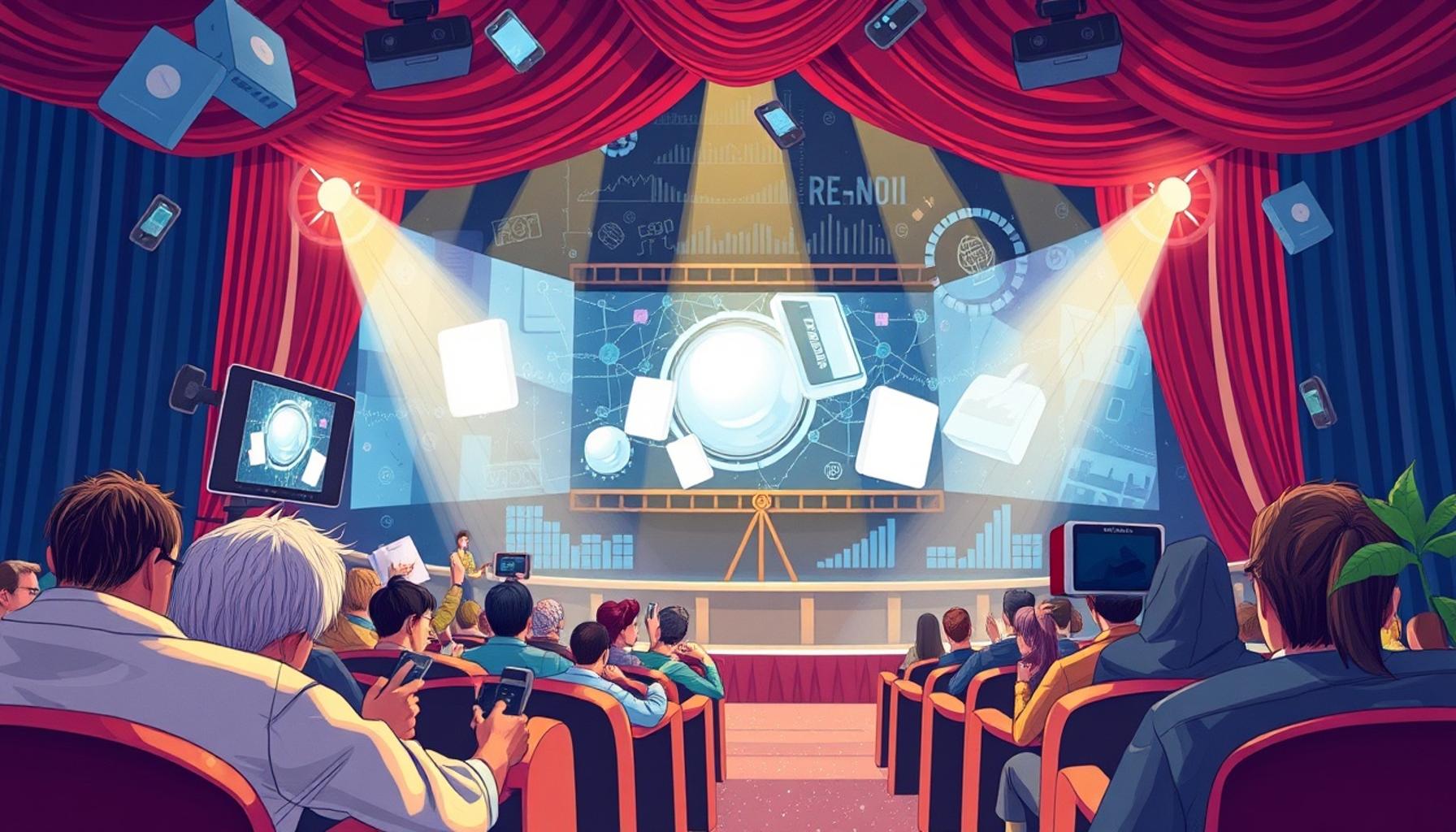
The influence of creative disruption on cinematic narrative: how new technologies are shaping the viewer experience

Understanding Creative Disruption in Cinema
In the evolving realm of cinema, creative disruption embodies a wave of innovation that radically alters traditional forms of storytelling and viewer interaction. This shift is propelled by advancements in technology that empower filmmakers to explore new horizons while simultaneously transforming audience engagement.
One of the most prominent influences on contemporary cinema is the rise of streaming services. Platforms such as Netflix, Hulu, and Disney+ have revolutionized not only the accessibility of films but also the timing of their consumption. Viewers no longer need to wait for a scheduled airing or a trip to the cinema; instead, they can watch films whenever they choose, often binge-watching entire series. This flexibility caters to a wide range of preferences, allowing for personalized viewing experiences. Moreover, the volume of content available encourages a diverse array of stories that might have previously been overlooked by traditional film studios, thus expanding the narrative landscape.
Virtual Reality (VR) represents another exciting frontier in the cinematic experience. By allowing viewers to immerse themselves in a three-dimensional environment, VR provides an unparalleled level of engagement. For example, experiences like Oculus’ “The Climb” or interactive documentaries like “The 360° Experience” invite users to step into the shoes of characters and navigate their worlds, creating a deeper emotional connection. This level of immersion fosters an experience where viewers are not just watching a story; they are living it.
Another intriguing development in this landscape is interactive storytelling. Projects like Netflix’s “Bandersnatch” illustrate how audience choices can significantly impact narrative direction. Viewers are not limited to a linear storyline; instead, they have the agency to influence character decisions and plot outcomes. This participatory format allows users to engage with the content on a personal level, thereby enhancing their investment in the story being told.
The implications of these innovations extend far beyond mere entertainment. With the ability to shape narratives, viewers transition from passive consumers to active participants in the cinematic journey. As filmmakers leverage these new tools, they are not only redefining traditional narratives but also reshaping the overall experience of cinema.
Understanding the significance of this shift is vital for both audiences and professionals in the film industry. As we navigate this rapidly changing landscape, it becomes clear that the future of storytelling in film lies in the embrace of creativity and technology. Join us as we further explore how these elements converge to create a vibrant and dynamic cinematic universe.
DIVE DEEPER: Click here to learn more about immersive sound technology
The Role of Emerging Technologies in Cinematic Narratives
As we delve deeper into the ways in which technology reshapes cinematic narratives, it is crucial to recognize the defining characteristics of the digital age. The integration of advanced technologies influences not just how stories are told but also how they are experienced by audiences. This multifaceted evolution brings forth several exciting developments that allow filmmakers to express their artistic vision in innovative ways while captivating viewers.
First, consider the impact of artificial intelligence (AI) in storytelling. AI technology has the potential to analyze vast amounts of data related to viewer preferences and industry trends. This analysis enables filmmakers to create content that resonates more profoundly with audiences. For example, AI can assist in the development of scripts that appeal to specific demographics or can help in casting decisions to ensure the right actors match the character arcs. By using AI to tailor content, filmmakers are able to produce narratives that not only entertain but also engage viewers on a personal level.
Furthermore, augmented reality (AR) adds another layer of interactivity and immersion. Through AR applications, viewers can experience stories expanded into their own environments, transforming the space around them into a canvas for narrative exploration. An example of AR’s potential in cinema comes from projects like “Ghostbusters: Dimensions,” where users can interact with characters and story elements that are superimposed onto their physical surroundings via smartphones or tablets. Such experiences redefine the boundaries of storytelling, allowing for exploration and participation that was previously unimaginable.
The integration of social media into cinematic experiences also plays a significant role in shaping viewer engagement. Platforms like Instagram, TikTok, and Twitter have become vital tools for filmmakers to promote their projects while simultaneously fostering a community around their work. Campaigns that involve audience participation—such as hashtag challenges or interactive polls—provide a space for viewers to express their views and foster discussions about the narratives they encounter. This direct connection between creators and audiences leads to a communal experience that enhances emotional investment and deepens appreciation of the film.
In order to adapt to these changes, the film industry must not only embrace emerging technologies but also rethink traditional narrative structures. Various new tools and platforms have profound implications for storytelling. Consider the following ways that technology is influencing cinematic narratives:
- Enhanced Audience Engagement: New formats allow viewers to be involved in the narrative process, leading to greater emotional connections.
- Increased Diversity in Content: Technological advancements open doors to stories from diverse voices that may not have been previously highlighted.
- Personalization of Experiences: AI and data analysis contribute to tailor-made stories that cater to individual viewer preferences.
- Global Reach: Streaming platforms allow international stories to gain visibility, enriching the global cinematic narrative landscape.
As we witness these transformative processes, it becomes clear that the relationship between technology and cinema is continually evolving, guided by creativity and innovation. The opportunities presented by these advancements signal an exciting chapter for filmmakers and audiences alike as we navigate the uncharted territories of cinematic storytelling.
DISCOVER MORE: Click here to dive deeper
The Transformative Power of Interactive Storytelling
As we explore the evolving landscape of cinematic narratives, it is essential to highlight the significant shift towards interactive storytelling. This emerging form of narrative allows viewers not just to passively consume content but to actively participate in the unfolding of stories. One of the most notable examples of this concept is the Netflix production “Bandersnatch,” an interactive film that permits audiences to make choices that affect the trajectory of the storyline. This kind of viewer agency challenges conventional narrative structures and encourages audiences to invest more deeply in the story, creating a dynamic viewing experience that responds to personal decisions.
The advancement of virtual reality (VR) also plays a crucial role in transforming cinematic narratives. VR allows viewers to immerse themselves entirely in virtual worlds, offering them the chance to explore environments and narratives from a first-person perspective. This technology fosters a sense of presence and participation that traditional film cannot replicate. For example, immersive VR experiences such as “The Invisible Hours” invite users to investigate a murder mystery by interacting with characters in a virtual space. Such experiences pull viewers into the narrative, turning them into integral parts of the storyline and augmenting emotional engagement.
Moreover, blockchain technology is beginning to impact filmmaking and distribution, impacting how stories are created and financed. Through blockchain, artists can secure funding directly from audiences before the project even begins. Platforms utilizing this technology allow creators to retain more control over their work and offer viewers unique investments in the storytelling process. This crowdfunding model not only democratizes filmmaking but also encourages a dedicated community of supporters who feel a personal connection to the project, enhancing audience engagement and loyalty as the film progresses.
Another compelling aspect of this technological evolution is the rise of transmedia storytelling, which encompasses the sharing of a single narrative across multiple platforms. This approach allows filmmakers to build expansive worlds where stories can branch across different mediums—such as films, web series, video games, and social media. An example of this is the “Star Wars” franchise, where narratives are shared and extended through cinematic releases, animated series, novels, and interactive games. This strategy not only allows for greater storytelling depth but also encourages fans to explore various aspects of the universe, weaving the narrative together from different angles and perspectives.
- Immersive Experiences: Technologies like VR and AR deepen emotional connections by placing viewers directly within the narrative.
- Interactive Features: Storylines that respond to viewers’ choices create a more engaging experience, encouraging repeated viewing for different outcomes.
- Community Participation: Emerging funding models through blockchain not only connect audiences with projects but also invite them to play a role in their creation.
- Expanded Narratives: Transmedia storytelling allows audiences to engage with narratives through various platforms, enriching their understanding and investment in the story.
Consequently, as technology continues to innovate and redefine the cinematic landscape, it paves the way for limitless possibilities in narrative creation. Today’s filmmakers have more tools than ever at their disposal to craft stories that resonate emotionally and contextually with a wider audience. This evolution signifies a revolutionary shift in how cinematic stories are not only told but are also experienced by viewers, establishing a new partnership between technology and creativity.
DIVE DEEPER: Click here to discover the future of sound
Conclusion
In summary, the rise of new technologies is profoundly reshaping cinematic narratives and redefining the viewer experience. The intersection of interactive storytelling, virtual reality, blockchain, and transmedia storytelling has opened up inventive pathways for filmmakers to engage audiences like never before. By empowering viewers to become active participants in the storytelling process, these innovations foster deeper emotional connections and immersive experiences.
Furthermore, the incorporation of interactive features cultivates engagement and replayability, as audiences can explore various outcomes throughout multiple viewings. The support of disruptive technologies like blockchain introduces a level of community and investment among viewers, enhancing their connection to the narrative. With transmedia storytelling, stories expand across different platforms, creating a rich tapestry that allows fans to engage from multiple angles, thereby deepening their understanding and investment in the story world.
As we look to the future, it is clear that the collaboration between creativity and technology will continue to evolve, pushing the boundaries of what is possible in film. Filmmakers are challenged to think outside conventional narratives and harness these tools to craft compelling, meaningful stories that resonate with diverse audiences. In doing so, they not only elevate the art of storytelling but also pave the way for a new era of interactive cinematic experiences that will leave a lasting impact on the world of entertainment.

Linda Carter
Linda Carter is a writer and expert known for producing clear, engaging, and easy-to-understand content. With solid experience guiding people in achieving their goals, she shares valuable insights and practical guidance. Her mission is to support readers in making informed choices and achieving significant progress.