The Intersection of Fashion and Cinema: How Films Influence Style Consumption Trends
Understanding the Cinematic Influence on Fashion
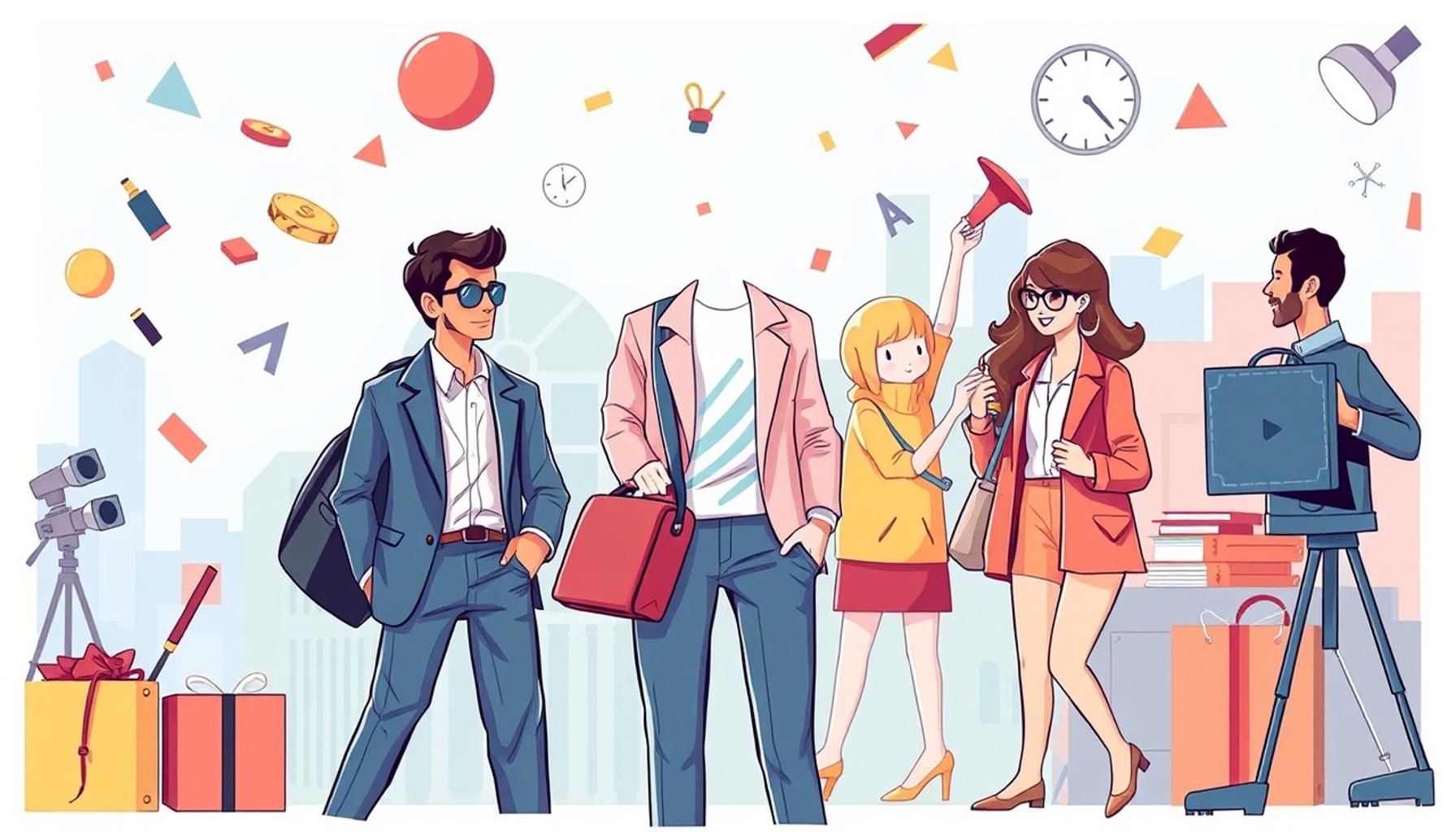
The relationship between cinema and fashion is a dynamic one, with each medium influencing the other in profound ways. Not only do films provide a platform for showcasing the latest styles, but they also inspire viewers to adopt these trends in their everyday lives. A closer look at how films shape fashion can reveal the intricate connections between character, narrative, and consumer behavior.
Iconic Characters and Timeless Styles
One of the most striking examples of film influencing fashion can be seen in iconic characters. For instance, Holly Golightly, portrayed by Audrey Hepburn in “Breakfast at Tiffany’s,” is celebrated for her sophisticated yet playful style, which includes the famous little black dress. This garment has become a staple in women’s fashion, proving that film characters can set the stage for enduring trends. Similarly, the character of James Bond, known for his sharp suits and refined taste, has left a lasting mark on men’s fashion, with countless men aspiring to emulate his debonair style.
Red Carpet Impact and Celebrity Style
Another significant way that cinema influences fashion is through red carpet moments. The attire worn by celebrities during movie premieres and award shows often ignites new trends. For example, when Lupita Nyong’o wore a stunning red gown at the 2014 Oscars, it did not just generate buzz; it led to a wave of interest in vibrant colors and intricate textures. Designers frequently find themselves producing similar pieces to meet the suddenly increased demand, exemplifying how a single moment can reshape fashion trends.
Visual Storytelling Through Style
Beyond characters and celebrities, the visual storytelling within films plays a significant role in fashion trends. Costumes are meticulously curated to enrich the narrative, helping to establish the mood and character backgrounds. In “The Great Gatsby,” for instance, the opulent wardrobe reflects the excess of the Roaring Twenties, prompting a revival of vintage styles in modern wardrobes. Viewers are drawn to these styles and often seek to emulate the glamor portrayed, leading to a resurgence of 1920s-inspired fashion across boutiques and online retailers.
As films continue to release new stories and styles, they instigate pronounced waves of style consumption that can define an entire season. From haute couture gowns to casual streetwear, the interplay between the cinematic world and the fashion industry is profound. This relationship not only highlights the power of film as a cultural influencer but also provides valuable insights into consumer behavior and the evolving trends that arise from it. Ultimately, understanding this dynamic allows for a deeper appreciation of how art can shape not just fashion but also the everyday lives of individuals around the world.
DISCOVER MORE: Click here to learn about the impact of streaming technologies
Shaping Trends Through Cinematic Inspiration
The intersection of fashion and cinema is not merely a coincidence; it is a carefully orchestrated relationship that thrives on creativity and cultural exchange. Every time a film is released, it has the potential to influence the way people perceive and consume fashion. This phenomenon is evident in several key areas, including character-driven style, red carpet events, and visual narratives that resonate with audiences.
Character and Costume Design
Iconic film characters serve as potent symbols of style, often leaving lasting impressions on popular culture. The way that characters dress can evoke specific emotions, convey personality traits, and reflect broader societal themes. For example, consider the character of Marilyn Monroe in “The Seven Year Itch,” where her white halter dress became an unexpected fashion icon. This dress not only epitomizes the playful and flirty essence of the character but also sparked widespread imitation among women eager to channel Monroe’s allure. As these trends emerge, the fashion industry often responds by creating collections inspired by characters that resonate with audiences.
Red Carpet Moments as Trend Catalysts
The red carpet serves as a critical junction where cinema and fashion unite. Each award season, the clothing choices of celebrities become a focal point, influencing style preferences and trends across the country. Here are a few examples of how red carpet appearances can affect consumer behavior:
- Trend Forecasting: Styles worn by celebrities can lead to immediate spikes in demand, as fans seek to replicate looks they admire.
- Designer Partnerships: High-profile collaborations often arise from memorable red carpet moments, where a celebrity endorses a designer’s work.
- Sustainable Fashion Choices: As awareness of sustainable practices grows, stars wearing eco-friendly brands on the red carpet can boost their popularity.
The influence of red carpet fashion is often swift and pronounced, with retailers quickly adapting to capitalize on the latest looks—meaning trends can evolve from the glamour of an evening to widespread availability in stores in a matter of weeks.
Visual Storytelling and Fashion Revolutions
Films have a unique capability to integrate fashion into their storytelling. Costumes are carefully crafted to enhance character development and the overall narrative arc. A notable example is the visual storytelling in “Clueless,” where the vibrant outfits of the main characters not only reflect the 1990s fashion trends but also promote individualism and confidence among young viewers. As a result, pieces reminiscent of this film often make a comeback, inspiring collections that target younger demographics eager to embrace retro looks.
In these ways, cinema plays a critical role in shaping fashion consumption trends by connecting characters’ styles with audience aspirations. The combination of iconic characters, impactful celebrity appearances, and compelling narratives ensures that films will continue to be a significant force in the world of fashion. Understanding this interplay can provide valuable insights for both fashion enthusiasts and industry professionals, highlighting the need to keep a keen eye on the silver screen for the next big trends.
DIVE DEEPER: Click here to explore the impact of streaming platforms
The Impact of Cinematic Aesthetics on Fashion Branding
The aesthetics presented in films often go beyond mere character portrayal; they have the power to define and reinvent entire fashion brands. Through carefully selected clothing and visual elements, films create a specific atmosphere that can elevate a brand’s identity and resonance. For instance, the collaboration between the fashion house Gucci and director Ridley Scott in the film “House of Gucci” led to a resurgence in interest in vintage Gucci styles. This not only revitalized the brand’s image but also showcased how cinematic storytelling can bridge nostalgia with contemporary fashion.
Fashion Documentaries and the Cult of Celebrity
Documentaries focusing on fashion, such as “The September Issue” and “Dior and I”, offer a behind-the-scenes look at the fashion industry while simultaneously influencing public perception and consumption habits. These films celebrate the art of fashion, providing insights into the thought processes of designers and the delicate craft of clothing creation. In doing so, they create a sense of intimacy, forging a personal connection between the viewer and the designer’s work. As a result, viewers often feel compelled to emulate the styles they see, effectively bridging the gap between the runway and their everyday wardrobes.
The Power of Fashion in Cult Classic Films
Cult classic films are another domain where fashion plays a significant role in influencing consumer patterns. Movies like The Breakfast Club and Fight Club have styles so tied to their narratives that they emerge as trends in their own right. The high-waisted jeans and colorful leg warmers from “The Breakfast Club” inspired an 80s nostalgia that continues to echo today, with designs reappearing on contemporary runways. Similarly, the understated, minimalist aesthetics of “Fight Club” have led to a rise in demand for simpler, yet edgy clothing ensembles. These examples demonstrate how cult films can ignite trends long after their release, making fashion a medium of timeless expression.
The Influence of Genre on Fashion Trends
Different film genres uniquely shape fashion trends. For instance, the explosion of retro styles is often linked to romantic comedies where characters exhibit distinctive yet relatable fashion choices. The Netflix series Bridgerton, while based on a period setting, has launched an entire trend around regency-era-inspired clothing, incorporating modern elements. This intersection showcases how genre can cultivate trends, with historical dramas breathing new life into past styles, thus creating a cyclical effect in fashion consumption.
Moreover, the horror genre, with films like The Crow and Beetlejuice, influences darker fashion aesthetics—from goth to avant-garde. The unique blend of clothing and storytelling in these films resonates with audiences wanting to express their individuality through bold fashion choices. This varied influence across genres illustrates that cinema is not just a temporary vessel for fashion trends; it establishes lasting cultural conversations around style, identity, and self-expression.
In examining the role of cinematic aesthetics in fashion branding, the impact of fashion documentaries, the influence of cult classic films, and the connection between genre and style, we see a multifaceted relationship where cinema not only reflects trends but actively shapes them. Such dynamics underline the importance for both designers and consumers to pay attention to the evolving landscape of today’s films to stay ahead in the fashion game.
DIVE DEEPER: Click here to discover emerging trends
Conclusion
The relationship between fashion and cinema is a dynamic interplay that continues to evolve, reflecting cultural zeitgeists and influencing consumer behavior in profound ways. As we have seen, films act not only as storytellers but also as powerful vehicle for fashion innovation. The careful orchestration of garments in cinematic narratives—whether through the revival of vintage styles by brands like Gucci or the intimate insights provided by fashion documentaries—creates a compelling influence that shapes public perception and consumption.
Moreover, the enduring impact of cult classics and genre-specific aesthetics highlights how films continually inspire trends that resonate across generations. From the nostalgic fashion statements of the 1980s to the contemporary regency-era styles popularized by series like Bridgerton, there is a cyclical nature to the way cinema informs what we wear. This not only enables consumers to express their personal style but also encourages a dialogue about identity and cultural significance in fashion.
In conclusion, it is essential for designers, brands, and consumers alike to recognize this intricate relationship between film and fashion. By observing cinematic impacts on style consumption trends, stakeholders in the fashion industry can harness these insights, ensuring that they remain on the cutting edge of both artistic expression and market demand. As cinema continues to reshape our visual landscape, the intersection of these realms promises to inspire creativity and innovation for years to come.

Linda Carter
Linda Carter is a writer and expert known for producing clear, engaging, and easy-to-understand content. With solid experience guiding people in achieving their goals, she shares valuable insights and practical guidance. Her mission is to support readers in making informed choices and achieving significant progress.