
The Revolution of Augmented Reality in Cinema: How Technology is Transforming the Viewer Experience
Understanding Augmented Reality in Cinema
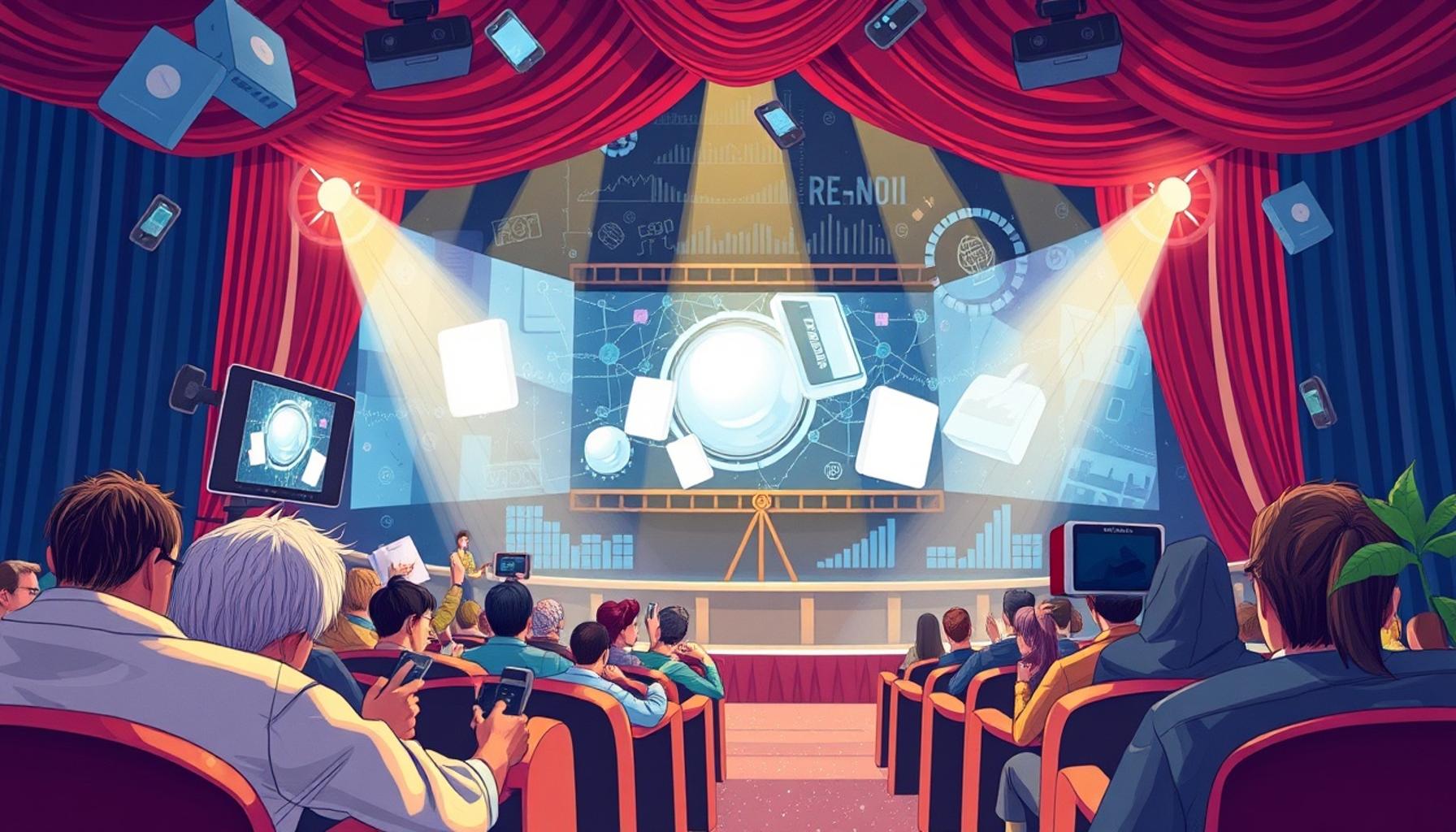
Augmented reality (AR) has made significant strides in enhancing the cinematic experience, offering a new way to engage with film narratives. This technology enriches the viewer’s journey by melding the physical world with digital elements, allowing for a far more interactive and immersive experience than ever before. As filmmakers creatively utilize AR, audiences find themselves not just watching a story unfold but actively participating in it.
Interactive Storytelling
One of the most compelling aspects of AR in film is interactive storytelling. For instance, in the film “Ready Player One,” audiences are transported to a visually stunning virtual universe where they can interact with the environment and characters in real-time. This type of engagement fosters a stronger emotional connection, as viewers are given agency within the narrative. Imagine a scene where you can choose to follow a character’s path or interact with objects around you, influencing outcomes based on your decisions. This level of interaction makes each viewing experience unique and personal, breaking the fourth wall and inviting the audience to join in the story.
Enhanced Visual Effects
Another area where AR has made a noticeable impact is in enhanced visual effects. Take, for example, James Cameron’s “Avatar.” The film is renowned not only for its groundbreaking storytelling but for its stunning visual effects that push the boundaries of what we believe to be possible on screen. Through AR, filmmakers can create breathtaking landscapes and realistic creatures that appear to exist in our world, drawing viewers into a more vivid and engaging story. When audiences watch a movie with such high-level effects, they become more emotionally invested, often feeling as if they are part of the film’s universe.
Location-Based Experiences
AR also brings with it the concept of location-based experiences. A prime example can be seen with “Ghostbusters: Dimension,” an immersive experience that allows fans to step into the film’s world. Through an AR app, participants can engage with ghost-catching elements in real-world settings. This transforms the physical space—like a park or a city street—into a stage for interactive adventures based on the movie’s narrative, encouraging audiences to explore beyond the confines of a theater. Such experiences make it possible for fans to forge lasting memories while simultaneously enjoying the franchise they love.
These innovative applications of AR in cinema reflect a broader trend towards experiential storytelling. They not only represent technological advancements in film but also signify a fundamental shift in audience engagement. By allowing viewers to interact and immerse themselves in cinematic worlds, AR transforms the act of watching a film from a passive experience into an engaging journey where they become a part of the action. This evolution heralds a promising future for both filmmakers and audiences, unlocking endless creative possibilities that redefine the essence of storytelling.
DIVE DEEPER: Click here to learn more
The Impacts of Augmented Reality on Film Engagement
As augmented reality continues to evolve, its influence on cinema is becoming increasingly profound. This technology not only enhances storytelling but also revolutionizes the way audiences engage with films, creating experiences that are richer and more participatory. The shift from traditional viewing to interactive engagement fosters deeper connections while simultaneously invigorating the art of filmmaking.
Personalized Viewer Experiences
One of the standout benefits of AR in cinema is personalized viewer experiences. Unlike conventional films, where the story unfolds uniformly for every audience member, AR offers the potential to tailor the experience based on individual choices. For example, in an innovative AR-driven film experience, viewers can make decisions that affect the storyline, character interactions, or even the film’s ending. This personalization leads to multiple possible outcomes for each viewing, encouraging audiences to watch films repeatedly to explore different paths and narratives.
Immersive Environments
Another essential aspect of AR is its ability to create immersive environments that engulf viewers in the film’s world. Imagine watching a sci-fi movie where, during an intense battle scene, your surroundings transform into the film’s universe. Through AR, digital graphics can overlay real-world elements, turning your living room into a spaceship or an alien planet. This transformation significantly enhances the emotional stakes of a scene, making viewers feel as though they are not just observers but active participants in the unfolding drama.
Creating Communities Through Shared Experiences
AR also has the power to foster a sense of community among fans. Through shared experiences, groups can engage in film-related activities together. For instance, special events can be organized, such as AR scavenger hunts tied to a movie’s release, allowing audiences to unite for interactive adventures. These activities can include:
- Finding hidden clues related to the film’s plot.
- Completing challenges that mimic characters’ actions or abilities.
- Sharing experiences on social media platforms, thereby building excitement and a fan community.
This communal engagement often extends beyond the theater, as fans continue to interact via AR apps linked to their favorite films. By transforming viewing into a social event, AR cultivates connections that enrich the overall cinematic experience.
As augmented reality technology continues to advance, it significantly contributes to the changing landscape of film and entertainment. By enhancing personalization, immersing audiences in captivating environments, and nurturing communities through interactive experiences, AR unfolds new dimensions of storytelling. This revolutionary approach invites audiences to not merely watch stories but to live them, creating lasting impressions that resonate long after the credits roll. The future of cinema, powered by augmented reality, promises boundless opportunities for creativity and engagement, allowing both filmmakers and fans to redefine the way stories are told and experienced.
DISCOVER MORE: Click here to learn how AI is transforming the film industry
Enhancing Storytelling Through Augmented Reality
The integration of augmented reality (AR) into cinema is not just a way of changing how viewers interact with a film; it is fundamentally enhancing the narrative structure. AR technology offers filmmakers innovative tools to weave complex stories that engage viewers on multiple levels. This shift towards a more interactive storytelling model empowers creators to break traditional narrative boundaries and embrace more dynamic forms of expression.
Layered Narratives
Layered narratives in AR films enable audiences to explore deeper storylines that may not be immediately apparent in a linear viewing format. With AR, filmmakers can incorporate additional story elements that audiences can uncover through their interactions. For example, viewers may discover hidden backstories about characters by scanning specific objects or locations within the scene. This method encourages viewers to pay closer attention and engage more actively with the storyline, ultimately enriching their overall experience.
Integrating Real-World Elements
AR’s capability to blend fiction with the real world has opened new avenues for filmmakers. By integrating real-world elements with digital enhancements, filmmakers create a unique experience that blurs the lines between reality and fiction. For instance, a horror film could use AR to project unsettling imagery into the viewers’ homes, such as ghostly figures appearing in their living rooms or eerie sounds echoing from their surroundings. This technique heightens the emotional impact of the film, as viewers are physically confronted by the chilling elements of the storyline.
Navigating Film with Interactive Features
Another groundbreaking application of AR is the introduction of interactive features within films. Directors are beginning to leverage AR to allow viewers to choose their path through a film, akin to interactive video games. For example, during specific scenes, viewers using a smartphone app may be given options to determine the character’s next move, effectively shaping the storyline in real-time. This interactive process not only grabs viewers’ attention but also involves them in a way that traditional films cannot. By offering these choices, filmmakers can create a sense of agency, transforming passive viewers into active participants in the storytelling process.
Augmented Reality Merchandising
The intersection of AR with cinema also extends to the world of merchandising. As films get released, AR technology can enrich related products, enhancing their appeal. Imagine purchasing a DVD or merchandise that, when scanned with an AR app, unlocks interactive content related to the movie, such as character animations, behind-the-scenes material, or immersive mini-games. This not only enhances the post-viewing experience but also strengthens the audience’s connection to the film, prompting them to discuss and share their findings within their circles.
The revolution of augmented reality in cinema is facilitating a more profound transformation of viewing experiences. By delivering layered narratives, integrating real-world elements, providing interactive features, and enhancing merchandising through AR, filmmakers are setting the stage for a new era of cinematic exploration. Moving forward, these innovations indicate that the potential of AR in cinema can create more memorable and engaging viewer experiences, showcasing just how expansive the art of storytelling can be in the 21st century.
DISCOVER MORE: Click here for insights on modern film aesthetics
Conclusion: The Future of Augmented Reality in Cinema
The advent of augmented reality (AR) in cinema represents a pivotal shift in how stories are told and experienced. By embracing interactive storytelling, filmmakers are not merely creating films; they are crafting experiences that invite audiences to partake in the narrative journey. Viewers engage with layered narratives that reveal hidden dimensions and backstories, allowing for a deeper emotional connection to the characters and plots. The integration of real-world elements blurs the boundary between fiction and reality, making the viewing experience more immersive and impactful.
As we move towards a more interactive cinematic future, features that allow individuals to shape their viewing paths enhance the sense of agency within the audience. This interactivity transforms viewers from passive consumers to active participants, significantly enriching their experience. Furthermore, the incorporation of augmented reality into merchandising offers exciting opportunities to extend engagement beyond the screen, ensuring that the connection with the film persists long after the credits have rolled.
In conclusion, the revolution of augmented reality in cinema is not just about technological advancement; it is about reimagining the way stories are told and experienced in the 21st century. As filmmakers continue to explore the endless possibilities of AR, they will undoubtedly redefine the norms of cinematography, paving the way for a new era of storytelling that resonates deeply with audiences and fosters a dynamic engagement like never before.

Linda Carter
Linda Carter is a writer and expert known for producing clear, engaging, and easy-to-understand content. With solid experience guiding people in achieving their goals, she shares valuable insights and practical guidance. Her mission is to support readers in making informed choices and achieving significant progress.