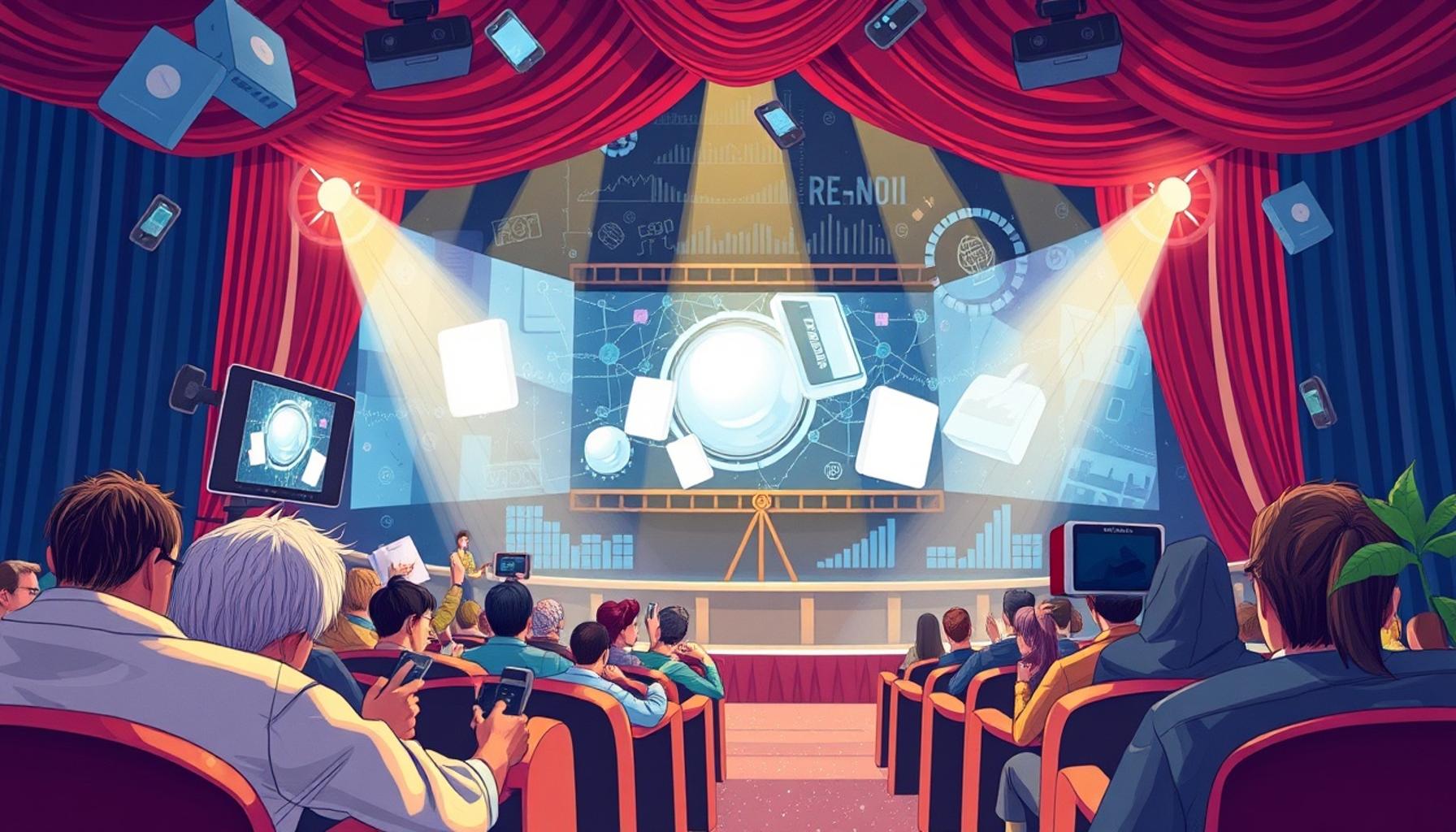
How Augmented Reality Is Changing the Way We Consume Cinema

Understanding Augmented Reality in Cinema
As technology continues to advance at an accelerated pace, one of the most groundbreaking innovations is Augmented Reality (AR). This technology blurs the line between the digital and physical realms, allowing users to interact with digital content in real-world environments. In the realm of cinema, AR is creating dynamic ways for filmmakers to engage audiences, crafting experiences that go beyond traditional storytelling techniques.
Interactive Storytelling
Interactive storytelling marks a significant shift in how viewers experience films. Unlike conventional movies where the narrative is linear and passive, AR allows audiences to influence plotlines and character decisions. For instance, consider a film where viewers can use a mobile app to choose a character’s next move, leading to different endings based on their choices. This level of engagement not only captivates audiences but also creates a personal bond between them and the story. Movies like “Bandersnatch,” part of the “Black Mirror” anthology, have already begun exploring this concept, offering viewers multiple paths within a single narrative.
Enhanced Visual Effects
The use of AR for enhanced visual effects takes cinematic immersion to a whole new level. Imagine watching a superhero film where the action spills out of the screen and into your living room. With AR, filmmakers can overlay digital effects into the viewer’s environment, making them part of the action. An example of this is how AR can be utilized in scenes featuring fantastical creatures or epic battles, allowing these elements to appear as if they are unfolding in real time around the audience. This merging of the on-screen experience with the viewer’s physical space creates an unprecedented sense of realism and excitement.
Immersive Marketing
Moreover, studios are leveraging immersive marketing strategies to captivate audiences even before a film’s release. AR-based promotional campaigns allow potential viewers to step into the film’s universe, enhancing interest and anticipation. For instance, an AR app could let users interact with characters or explore settings from an upcoming movie. A notable example includes the marketing campaign for “Jurassic World,” where users could use their smartphones to see dinosaurs roaming around their own neighborhoods. By engaging audiences on this level, studios are not only promoting their films but also ensuring that they are part of a larger narrative experience.
As we investigate the impact of AR on filmmaking, audience engagement becomes increasingly clear. It’s evident that AR is not just a passing trend; it is reshaping how stories are told and experienced. This technology is breaking down the barriers of traditional cinema, allowing for richer, more interactive narratives that resonate deeply with audiences. The future of film is undoubtedly intertwined with these advancements, suggesting that the magic of cinema will continue to evolve in exciting and unprecedented ways.
DISCOVER MORE: Click here to dive deeper
Revolutionizing Audience Engagement
Augmented Reality (AR) is fundamentally changing how audiences interact with cinematic experiences, transforming passive viewing into active participation. This revolution promotes deeper emotional investment and connection with the storyline and characters. As we delve deeper into this shift, several key aspects of AR’s impact become apparent.
Personalized Viewing Experiences
One of the most exciting elements of AR in cinema is the ability to create personalized viewing experiences. This capacity allows audiences to customize their interactions based on individual preferences and interests, ensuring that every viewer has a unique perspective on the film. For instance, AR apps can provide supplementary information about characters, offering trivia, backstories, or even actor interviews that enrich the main narrative. Imagine watching a fantasy film and using an AR application that reveals additional lore about the magical creatures featured, allowing viewers to dive deeper into the film’s universe.
This personalized engagement can also take the form of interactive maps that lead viewers to different locations within a film, encouraging exploration during or after the viewing process. For example, after a scene set in a vibrant city is finished, an AR feature could guide audiences to explore historical landmarks or cultural aspects depicted in that setting, thereby expanding the film’s world beyond the screen and into reality.
Social Interaction and Shared Experiences
AR is also fostering social interaction and shared experiences among viewers. Imagine attending a film screening with friends, each person equipped with AR glasses that offer interactive features. During the movie, audiences could collectively engage with certain scenes, reliving the moments together while sharing spontaneous reactions in real-time. This connectivity mirrors the evolving landscape of social media, where reactions have become an integral part of the viewing experience. Some exemplary features of this communal engagement could include:
- Character filters: Viewers can embody their favorite characters through AR, capturing fun selfies or short clips to share on social media platforms, effectively becoming part of the cinematic narrative themselves.
- Group decision-making: Audiences can vote on dialogues or outcomes for certain scenes, creating an interactive storyline that changes based on their collective choices, ensuring no two viewings are the same.
- Themed challenges: Fans can participate in AR-based challenges that are tied to the film’s plot or characters, such as scavenger hunts that lead them to locations related to the film, fostering a deeper connection and appreciation for the content.
Educational Potential
Beyond entertainment, AR in cinema also holds vast educational potential. Educational institutions can leverage AR to integrate film studies with interactive elements, providing students the means to analyze cinematic techniques in real time. For instance, learners could engage with AR material that overlays additional context about filming techniques, design choices, or cultural elements tied to the film they are studying. For example, during a film analysis course, students could use AR to see different camera angles or CGI effects superimposed on their classroom environment, fostering a more immersive learning experience.
This interactive approach not only enhances comprehension but also ignites creativity and innovation among students passionate about the film industry. By using technology to bridge theoretical knowledge and practical application, students can develop a richer understanding of storytelling techniques and the artistic elements that make cinema such a powerful medium.
As we continue to explore AR’s role in reshaping cinema consumption, these examples showcase how it transcends traditional viewing. The technology fosters personalized experiences, encourages social interaction, and empowers education, paving the way for a newfound appreciation of storytelling through the lens of augmented reality.
DIVE DEEPER: Click here to uncover the evolution of cinematic narratives</p
Immersive Storytelling Techniques
Another remarkable transformation brought about by Augmented Reality (AR) in cinema is the advent of immersive storytelling techniques. This innovative approach shifts the narrative framework, allowing filmmakers to craft experiences that transcend traditional linear storytelling. By incorporating AR, filmmakers can create layered narratives that engage viewers in multifaceted ways.
Spatial Storytelling
At the forefront of immersive storytelling is spatial storytelling, which utilizes AR to project narratives into real-world environments. For instance, films can blend live-action scenes with AR overlays, enabling viewers to witness additional details tied to the plot that might not be fully conveyed on screen. Imagine watching a suspense thriller where critical clues appear in your environment through your smartphone or AR glasses, giving you agency in piecing together the mystery alongside the characters. This technique encourages not just passive consumption but active involvement, inviting the audience to become co-creators of their cinematic journey.
Multi-Sensory Experiences
The inclusion of multi-sensory experiences further enhances AR-enabled cinema. Filmmakers are now exploring how sound, visual effects, and even haptic feedback can be integrated into viewing experiences to create a more immersive atmosphere. For example, a horror movie might utilize AR to emit chilling sound effects that seem to originate from the viewer’s surroundings, creating a spine-tingling experience that merges fiction with reality. Similarly, AR can introduce scents associated with certain scenes, like the aroma of a bakery in a romantic comedy, enhancing the emotional connection and making moments feel more authentic. Such innovations dramatize storytelling by engulfing viewers in a world that feels tangible and alive.
Integration with Other Technologies
AR’s impact on cinema is further magnified through its integration with other advanced technologies, such as Virtual Reality (VR) and artificial intelligence (AI). The combination of these technologies allows filmmakers to create complex interactive narratives. For instance, using AI, filmmakers can analyze audience preferences and customize AR content accordingly, tailoring viewing experiences to cater to individual tastes. This dynamic integration means that a single film can evolve based on audience interactions, encouraging repeated viewings as each experience may yield different insights and moments.
Moreover, AR can be used during film festivals and special screenings to provide audiences with interactive content related to the films. Attendees can explore 3D models of characters or view behind-the-scenes footage as they navigate the physical space of the event. This blend of technology and cinema not only entertains but also educates, enabling fans to appreciate the intricate details of filmmaking artistry.
Expanding Genres and Narratives
Finally, AR is expanding genres and narratives in cinema, providing filmmakers with new ways to tell distinct and unconventional stories. Genres like documentary filmmaking have begun to use AR to enhance storytelling, allowing viewers to engage with real-world issues in a more impactful manner. For instance, a documentary about climate change could utilize AR to depict visualizations of environmental data within the viewer’s immediate surroundings, illustrating critical concepts through immersive visuals. This possibility enriches the documentary format, allowing filmmakers to connect with audiences on deeper levels.
As AR technology continues to evolve, its capacity to reshape cinematic narratives allows creators to transcend the boundaries of traditional film, cultivating a new dimension of storytelling that resonates with audiences in profoundly engaging ways.
DISCOVER MORE: Click here to learn about the future of augmented reality in cinema</a
Conclusion
In conclusion, the integration of Augmented Reality (AR) into cinema is revolutionizing how audiences engage with films, transforming passive watching into interactive experiences. The introduction of innovative storytelling techniques, such as spatial storytelling and multi-sensory elements, invites viewers to become active participants in the narrative. This shift not only enhances the emotional connection between the audience and the story but also creates an entirely new framework for how films can be experienced.
The harmonious fusion of AR with other technologies like Virtual Reality (VR) and artificial intelligence (AI) enables filmmakers to tailor content to individual preferences, making every viewing truly unique. Furthermore, the use of AR to expand genres and narratives opens the door to exploring complex themes in ways that resonate more profoundly with viewers. Documentaries, for instance, can engage audiences with real-world issues through immersive data representations, making these stories not just more relatable but also more compelling.
As AR technology continues to develop, it offers a promising horizon for the future of cinema by breaking down traditional barriers. With advancements in AR, filmmakers have the potential to create more immersive, engaging, and educational experiences, ultimately inviting audiences to explore and appreciate the art of cinema like never before. Ultimately, as we embrace these technologies, we can anticipate a future where our interaction with films is not just about viewing but about experiencing and co-creating rich narratives that linger in our minds long after the credits roll.

Linda Carter
Linda Carter is a writer and expert known for producing clear, engaging, and easy-to-understand content. With solid experience guiding people in achieving their goals, she shares valuable insights and practical guidance. Her mission is to support readers in making informed choices and achieving significant progress.