From Cinema to Consumer: Analyzing Emerging Trends in Response to Creative Disruption in Media Platforms
Creative Disruption in Media
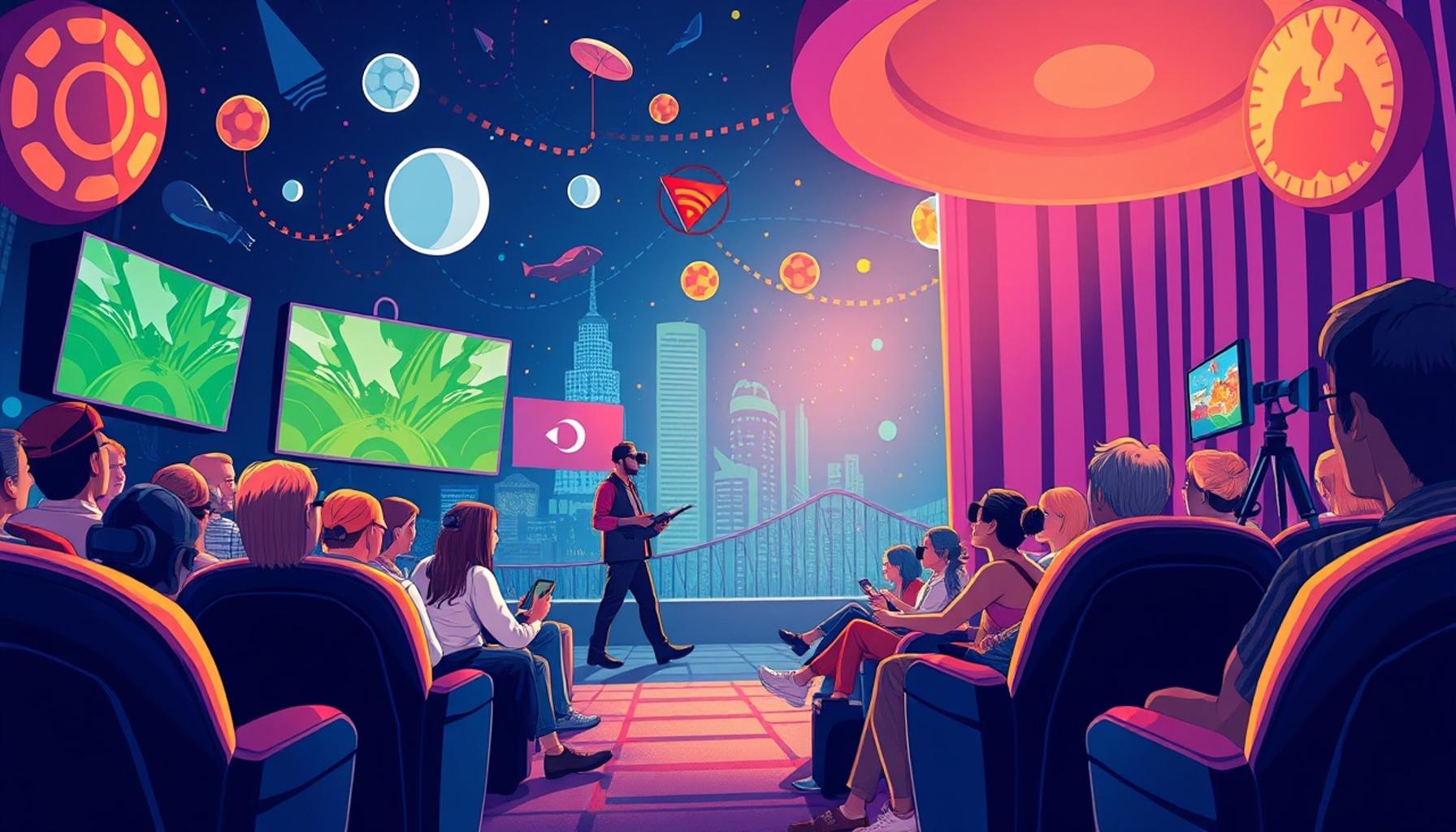
The media landscape has undergone significant transformation in recent years. This shift is largely driven by creative disruption across various platforms, affecting how content is produced and consumed. As traditional cinema faces challenges, new trends are shaping the future of media.
Understanding these trends is essential for both creators and consumers. Here are a few noteworthy developments:
- Streaming Wars: Services like Netflix and Disney+ are reshaping content availability. These platforms have revolutionized how audiences access films and TV shows by offering subscription-based models that allow for binge-watching. Instead of waiting week-to-week for new episodes, viewers can watch entire seasons in one sitting. This shift has transformed viewing habits, with shows like “Stranger Things” on Netflix rapidly becoming cultural phenomena, demonstrating the power of on-demand content.
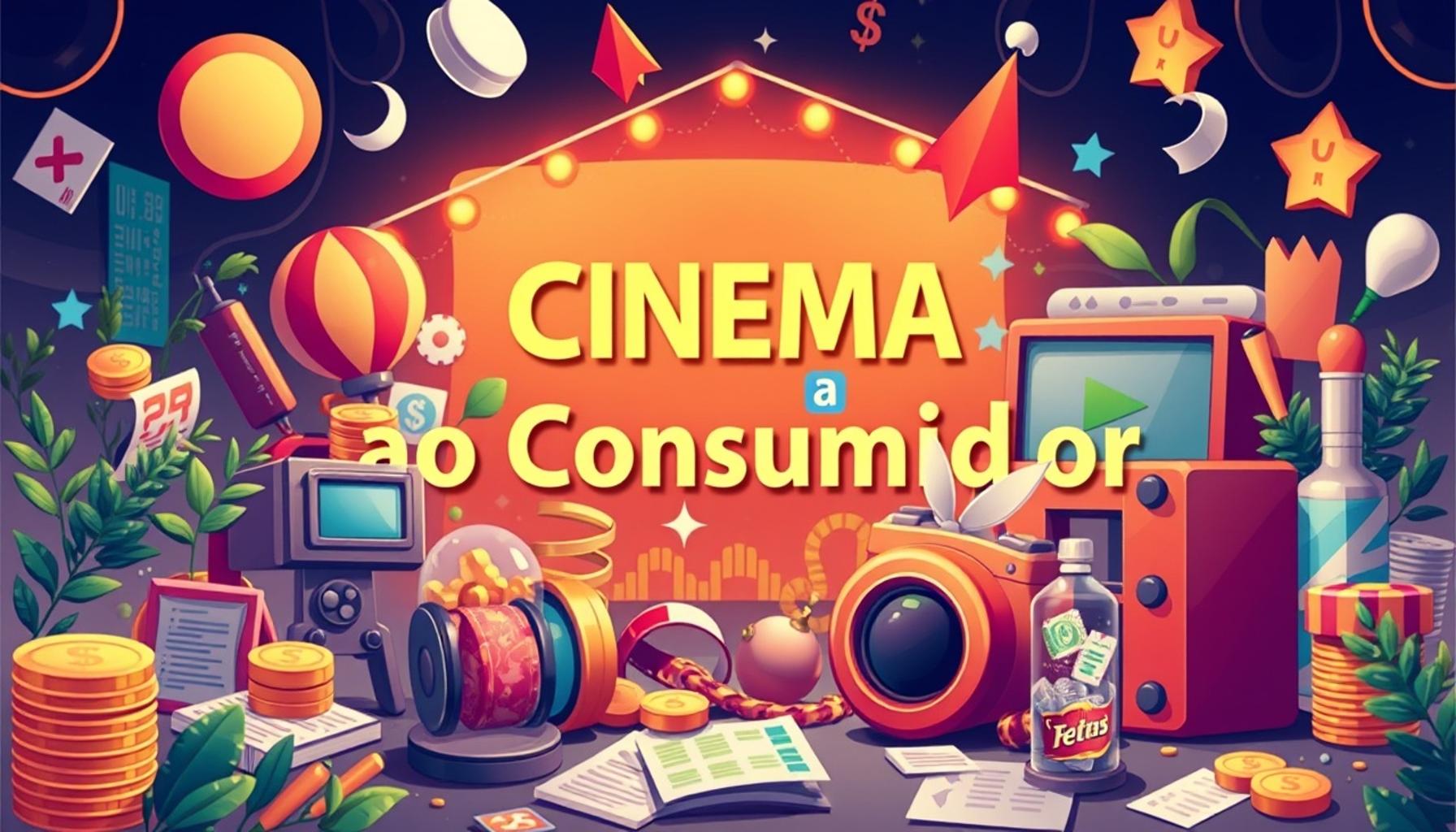
- Direct-to-Consumer Models: Filmmakers are now bypassing traditional distributors, connecting directly with audiences. Innovative platforms like Vimeo and YouTube provide creators with the opportunity to showcase their work without the constraints imposed by conventional distribution channels. A noteworthy example is the film “The Nightingale,” which was successful on video-on-demand platforms. This model allows for greater creative control and the ability to reach niche audiences more effectively.
- User-Generated Content: Platforms such as TikTok empower everyday users to create impactful media. Unlike traditional media that often relies on professional production crews and expensive equipment, TikTok has made it easy for anyone with a smartphone to share their ideas and talents. Viral challenges, original music, and creative storytelling often originate from users, leading to trends that can alter mainstream media narratives. For instance, songs that gain popularity on TikTok often chart on Billboard, emphasizing the platform’s influence on music consumption.
These shifts highlight the importance of adaptability in a rapidly changing environment. To stay relevant, media platforms must embrace innovation and respond to consumer preferences effectively. This adaptation might include investing in personalized content recommendations or developing interactive technologies like virtual reality experiences that enhance viewer engagement.
By examining these emerging trends, we can gain valuable insights into the future trajectory of the media industry. Understanding the implications of this creative disruption enables both media creators and consumers to navigate the evolving landscape of entertainment more effectively. As we look ahead, staying informed about new platforms, viewing habits, and technological advancements will be crucial in keeping pace with this dynamic industry.
DISCOVER MORE: Click here to delve into the streaming revolution
Shifting Consumer Preferences
The transformation of the media landscape is not just a product of technological advancements; it is also a reflection of changing consumer preferences. As audiences become more accustomed to tailored experiences, their expectations for media consumption evolve, pushing creators and platforms to adapt. This section explores how these shifting preferences are shaping the media industry.
The Demand for Personalization
Today’s viewers are not just looking for content; they are seeking experiences that resonate with their personal tastes. The rise of algorithm-driven recommendations on platforms like Netflix and Spotify showcases a strong demand for personalized content. These platforms use sophisticated algorithms that analyze viewing habits and engagement data to curate lists that feel uniquely tailored to each user. For example, Netflix generates customized homepages for each subscriber, ultimately increasing user satisfaction and resulting in longer viewing sessions.
Accessibility and Inclusivity
In addition to personalization, there is a growing expectation for media to be accessible and inclusive. Audiences are increasingly valuing representation in storytelling, and this is influencing production decisions. Box office hits such as “Black Panther” and “Crazy Rich Asians” exemplify how addressing underrepresented groups can lead to financial success and critical acclaim. This shift encourages creators to not only showcase diverse narratives but also to ensure that content is accessible to individuals with disabilities, including options for closed captioning and audio descriptions.
Influence of Social Media
Social media platforms have become integral in driving consumer interest and engagement around media content. Sites like Instagram and Twitter give users real-time insights and conversations surrounding movies, shows, and entertainment news. The ability to share opinions, memes, and reactions enables a community-driven approach to media consumption. For instance, after the premiere of a popular series, hashtags can trend on Twitter, amplifying discussions and influencing a wider audience to engage with the content. This engagement not only enhances the viewing experience but also serves as a powerful marketing tool for creators.
Interactive and Immersive Experiences
Lastly, audiences are increasingly drawn to interactive content—experiences that allow them to engage with the story actively. Virtual reality (VR) and augmented reality (AR) applications are at the forefront of this trend. Platforms are beginning to experiment with VR storytelling, offering immersive experiences that conventional cinema cannot match. For example, projects like “The Walking Dead: Onslaught” allow players to step into the world of the show, making choices that affect the narrative. This kind of involvement not only captivates users but also fosters deeper emotional connections to the content.
As these trends manifest, it becomes clear that understanding consumer preferences is crucial for anyone involved in media production. Adaptability in content creation and distribution methods is essential to meet these evolving expectations. The intersection of technology, inclusivity, and engagement is likely to define the future of media as we continue to adapt to the landscape shaped by creative disruption.
DISCOVER MORE: Click here to delve deeper
Content Creation and Distribution Innovations
The recent transformation in media is not only associated with how consumers engage with content but also significantly impacts how content is created and distributed. This evolution has given rise to innovative strategies that aim to match the dynamic demands of modern audiences. This section highlights the ways in which creative disruption is reshaping content creation and distribution models.
The Rise of User-Generated Content
One notable trend is the surge in user-generated content (UGC). Platforms like YouTube and TikTok have democratized content creation, allowing anyone with a smartphone to become a storyteller. This shift empowers users to express their creativity and share their unique perspectives, often leading to viral trends that capture the attention of millions. For instance, viral challenges on TikTok can spark significant conversations and even influence mainstream media, as producers take cues from popular user-generated content. This trend showcases a powerful shift towards collaborative media, where audiences are not merely consumers but also co-creators.
Streaming Wars and Unique Offerings
The competition among streaming services has heated up, often referred to as the “streaming wars.” Major players like Disney+, HBO Max, and Amazon Prime Video differentiate themselves through exclusive content and unique offerings. For example, Disney+ capitalizes on its extensive catalog of beloved franchises, including Marvel and Star Wars, while HBO Max draws audiences with critically acclaimed original series like “Succession” and “Euphoria.” This race for exclusive content not only attracts subscribers but shapes consumer expectations around what types of programming they should expect from these platforms.
The Impact of Short-Form Content
In alignment with the trend of user-generated content, there has been a marked increase in the consumption of short-form content across various platforms. Mobile users, in particular, favor bite-sized videos that can be consumed quickly. This trend has led to established networks such as ABC and NBC producing shorter segments and news clips tailored for social media engagement. Such formats cater to the decreasing attention spans of viewers and create opportunities for brands to deliver quick, impactful messages that resonate with audiences in a rapidly changing media environment.
Emerging Technologies in Content Development
Furthermore, advancements in technology are revolutionizing the content development process. Innovations like artificial intelligence (AI) and machine learning are increasingly utilized for scriptwriting and audience analytics. AI tools can analyze vast amounts of viewer data, identifying what types of content generate the most engagement. This data can help creators anticipate trends before they emerge, allowing for proactive content creation that reflects audience desires. For example, platforms like ScriptBook employ AI systems that predict the potential success of scripts based on past performances of similar stories.
The adaptation of these innovative content creation and distribution strategies illustrates how the media landscape is evolving in response to consumer demands. By staying ahead of trends and embracing emerging technologies, content creators can not only enhance viewer satisfaction but also carve a sustainable path in an increasingly competitive industry.
DISCOVER MORE: Click here to learn about the impact of diversity in film</a
Conclusion
The media landscape is experiencing a profound transformation, driven by creative disruption that reshapes the way content is created, distributed, and consumed. As we have explored, the surge of user-generated content reflects a significant cultural shift, where audiences are no longer passive viewers but active participants in storytelling. Moreover, the ongoing streaming wars highlight how competition among platforms influences not only the types of content offered but also consumer expectations for quality and exclusivity.
In addition, the rise of short-form content caters to the fast-paced digital world, where attention spans are shorter and the demand for quick, engaging snippets is on the rise. As established networks adapt their content strategies to fit these trends, it becomes clear that understanding audience preferences is crucial. The role of emerging technologies, such as AI and machine learning, further underscores the importance of data-driven decision-making in content production, enabling creators to anticipate trends and resonate more effectively with their audiences.
Overall, the interplay between these elements signals a pivotal moment in media history. By embracing change and innovating across content development and distribution strategies, industry players can not only navigate challenges but also unlock new opportunities for connection and engagement. As we move forward, the relationship between content creators and consumers will continue to evolve, fostering a rich tapestry of storytelling that reflects diverse voices and experiences in a digital world.

Linda Carter
Linda Carter is a writer and expert known for producing clear, engaging, and easy-to-understand content. With solid experience guiding people in achieving their goals, she shares valuable insights and practical guidance. Her mission is to support readers in making informed choices and achieving significant progress.