
Immersive Experiences: How Augmented and Virtual Reality Are Reshaping Cinema Consumption
Transformative Technology in Cinema
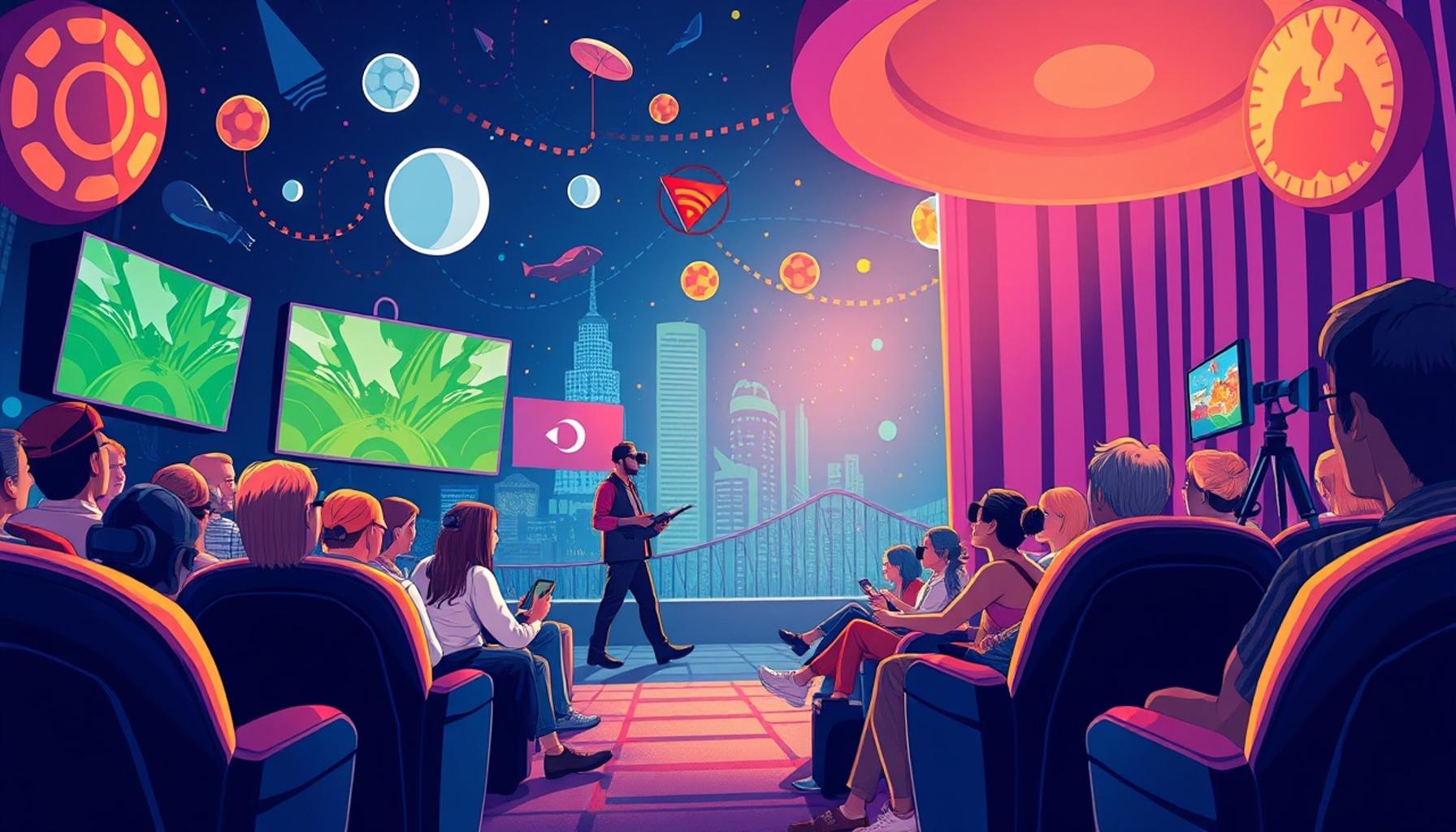
The integration of Augmented Reality (AR) and Virtual Reality (VR) into the cinematic realm is nothing short of groundbreaking. These technologies have revolutionized how filmmakers create content and how audiences experience it. In contrast to traditional viewing, where the audience is a passive observer, AR and VR offer a chance to become an active participant in the story being told. This shift is not just a trend; it is a fundamental change in the way narratives are constructed and consumed.
Key Features of AR and VR in Cinema
One of the most exciting features is 360-Degree Environments. Imagine being able to look around an animated scene and see the surroundings just as a character would. This immersive setting not only enhances engagement but also provides viewers with a sense of agency and creativity in exploring the cinematic universe.
Interactive Storytelling is another pivotal aspect. A notable example can be found in the interactive film “Bandersnatch,” part of the “Black Mirror” series on Netflix, where viewers make choices that affect the plot. Such involvement can create a highly personalized viewing experience, encouraging audiences to engage with the storyline in unique ways. This element of choice adds layers of complexity and encourages discussions about content in ways traditional films may not.
Moreover, Enhanced Visual Effects allow filmmakers to bring astonishing visuals to life, making previously unimaginable scenes a reality. Films like “Avatar” have set the benchmark for striking visuals, but with VR, even bystanders in a scene can feel the immersive experience of soaring through a fantastical world or exploring alien landscapes.
Real-World Examples of AR and VR in Film
The implementation of VR in film can be exemplified through projects like “The Lion King VR,” which provides viewers with the opportunity to revisit classic moments from the beloved film. Users can interact with the environment and characters, fostering an emotional connection that goes beyond the conventional viewing experience.
On the AR side, numerous apps enhance the movie-going experience by offering additional interactive features. For instance, some movie posters utilize AR technology, allowing viewers to scan them with a smartphone and view trailers or behind-the-scenes footage. Such innovations make the cinema experience more dynamic and engaging.
Additionally, Immersive Theaters are emerging as venues specifically designed to transport attendees into cinematic worlds. These spaces feature advanced technology, such as surround-screen viewing and dynamic seating arrangements that respond to the action on screen. An example is the “4D” theaters where environmental effects like wind and scent complement the on-screen action, stimulating multiple senses simultaneously.
As audiences continue to crave deeper connections with the stories they experience, it becomes clear that the adoption of AR and VR technologies in cinema is paving the way for the future of entertainment. Understanding these advancements not only enriches the viewing experience but also highlights the intricate relationship between technology and storytelling.
DIVE DEEPER: Click here to uncover the impact of social media on indie films
Transforming Storytelling Through Interactivity
The essence of storytelling has always been rooted in the ability to engage and resonate with audiences. With the rise of Augmented Reality (AR) and Virtual Reality (VR), this engagement has evolved into a multifaceted experience that captivates viewers on various levels. By incorporating interactivity, filmmakers are not only reimagining how stories are told but also how audiences relate to the narrative and its characters.
Expanding Narrative Possibilities
Interactivity in cinema allows for a much larger canvas on which to paint stories. Instead of a linear narrative, filmmakers can provide a more intricate web of possibilities, where audiences can explore multiple outcomes and perspectives. For instance, in a VR adaptation of a popular film, viewers might switch between the main character’s viewpoint and that of a supporting character, allowing them to gain a deeper understanding of the plot and the motivations behind each character’s actions.
Here are several ways AR and VR are broadening narrative scope:
- Multiple Perspectives: Audiences can choose multiple paths or view the story from different angles, creating a more personal journey.
- Character-Centric Experiences: Viewers can interact and build relationships with characters, which might alter their decisions and outcomes within a story.
- Dynamic Worlds: The environments can react to the viewer’s choices and actions, offering experiences that are unique to each viewer.
Emotional Connection Through Immersion
One of the most valuable aspects of AR and VR is their ability to foster a deeper emotional connection between audiences and the story. Traditional films, while captivating, often keep viewers at a distance, as the storytelling is confined to a screen. In contrast, immersive technologies remove this barrier. For example, experiencing a heart-wrenching moment from a character’s perspective can result in a more profound understanding of their emotions and struggles.
Consider the VR documentary “The Hangman,” where viewers step into the shoes of a person grappling with the despair of choices made in their lives. This immersive experience not only conveys the powerful message of the story but also compels viewers to examine their own value systems and decision-making processes. Such emotional depths are challenging to achieve through traditional cinema methods.
As AR and VR continue to evolve, filmmakers have the potential to create stories that are not only visually striking but also resonate deeply with audiences. These technologies encourage users to become engaged storytellers, transforming how films are consumed and experienced. With each innovation, we step further into a future where the line between viewer and participant is blurred, paving the way for truly transformative cinematic experiences.
DIVE DEEPER: Click here to discover more
Revolutionizing Audience Engagement
As audiences increasingly seek more engaging entertainment experiences, AR and VR are creating a shift in the dynamics between filmmakers and viewers. This new paradigm focuses on heightened participation, blurring the traditional boundaries of audience passivity in favor of interaction and active involvement in the cinematic experience.
Creating Community Through Shared Experiences
Immersive experiences in cinema are excellent opportunities for creating shared moments among audiences. Whether through social VR platforms or immersive installations, viewers can engage with both the content and each other in ways that were previously unattainable. For example, instances like “The VR Movie Experience” allow groups of friends or families to watch a VR film together, while simultaneously discussing and reacting to the experience in real-time.
This communal aspect not only enhances the viewing experience but also fosters a sense of belonging and connection, reminiscent of how movie theaters once brought people together.Filmmakers are now adapting their storytelling to accommodate group interactions, which can create a multi-layered conversation surrounding the narrative and themes, enhancing overall enjoyment.
Generative Content and Personalization
One of the most exciting possibilities of AR and VR in cinema is the capability for generative content. With advances in artificial intelligence and machine learning, filmmakers can take viewer choices into account to generate unique versions of the story tailored to individual preferences. Imagine a VR experience in which viewers can influence character behavior or dialogue, leading to vastly different endings based on group or personal decisions. Such methods might involve viewers inputting their own characteristics or narratives, allowing them to BE part of the story they engage with.
- Adaptive Storylines: Content can shift dynamically based on viewer choices, ensuring no two experiences are the same.
- Personalized Protagonists: Audiences could create characters that mirror their interests or values, deepening their attachment to the story.
- Community Input: Viewer feedback could shape future developments and adaptations of the story or universe, creating a collaborative relationship between creators and audiences.
A New Frontier for Marketing
The integration of AR and VR also opens doors for innovative marketing strategies within the cinema landscape. Filmmakers and marketers can utilize immersive experiences to build anticipation and excitement around their projects. For instance, a studio might create a VR experience that allows potential viewers to step into a story world before the release date. Such advanced marketing engages audiences who may feel emotionally invested even before they see the film, resulting in higher turnout rates.
Additionally, brands can leverage these immersive experiences for synergistic partnerships, where promotional VR content is embedded in films or interactive marketing campaigns. This approach not only enhances consumer awareness but can create a gateway for impactful dialogues around the themes presented in the cinematic narrative.
As immersive experiences continue to develop, it becomes increasingly clear that AR and VR are not merely groundbreaking technologies; they represent a significant evolution in how stories are told, received, and absorbed. By encouraging active participation and providing unique engagement opportunities, these technologies stand to reshape not just the cinematic experience, but also the very fabric of storytelling itself.
DISCOVER MORE: Click here to dive deeper
Conclusion
In summary, the rise of augmented reality (AR) and virtual reality (VR) is fundamentally transforming the landscape of cinema consumption, paving the way for a more interactive and engaging experience for audiences. By blurring the lines between viewer and participant, these technologies foster a new type of storytelling that encourages active involvement, emotional connection, and community building.
The ability to create shared experiences through social VR platforms not only enhances the enjoyment of films but fosters a sense of belonging among viewers. Such communal settings evoke the traditional movie theater atmosphere, reminding us of the importance of experiencing stories together. Moreover, with the introduction of generative content and adaptive narratives, film experiences can be tailored to individual preferences, allowing viewers to engage with content that resonates with their interests deeply.
As we embrace this new frontier, we also recognize the potential for innovative marketing strategies that can build anticipation and engagement even before a film’s release. Immersive experiences can revolutionize how filmmakers approach audience outreach, allowing for greater connection and the establishment of loyalty.
As AR and VR tools continue to evolve, the cinematic world stands on the brink of extraordinary possibilities. To navigate this transformative era successfully, both creators and audiences must be open to exploring new kinds of storytelling and the diverse ways to consume them. The integration of these immersive experiences will not only redefine how we enjoy films but will also create a richer tapestry of narrative experiences that are both meaningful and unforgettable.

Linda Carter
Linda Carter is a writer and expert known for producing clear, engaging, and easy-to-understand content. With solid experience guiding people in achieving their goals, she shares valuable insights and practical guidance. Her mission is to support readers in making informed choices and achieving significant progress.