Disinformation and Democracy: The Impact of Fake News on Political Decisions in the USA
The Rise and Impact of Fake News
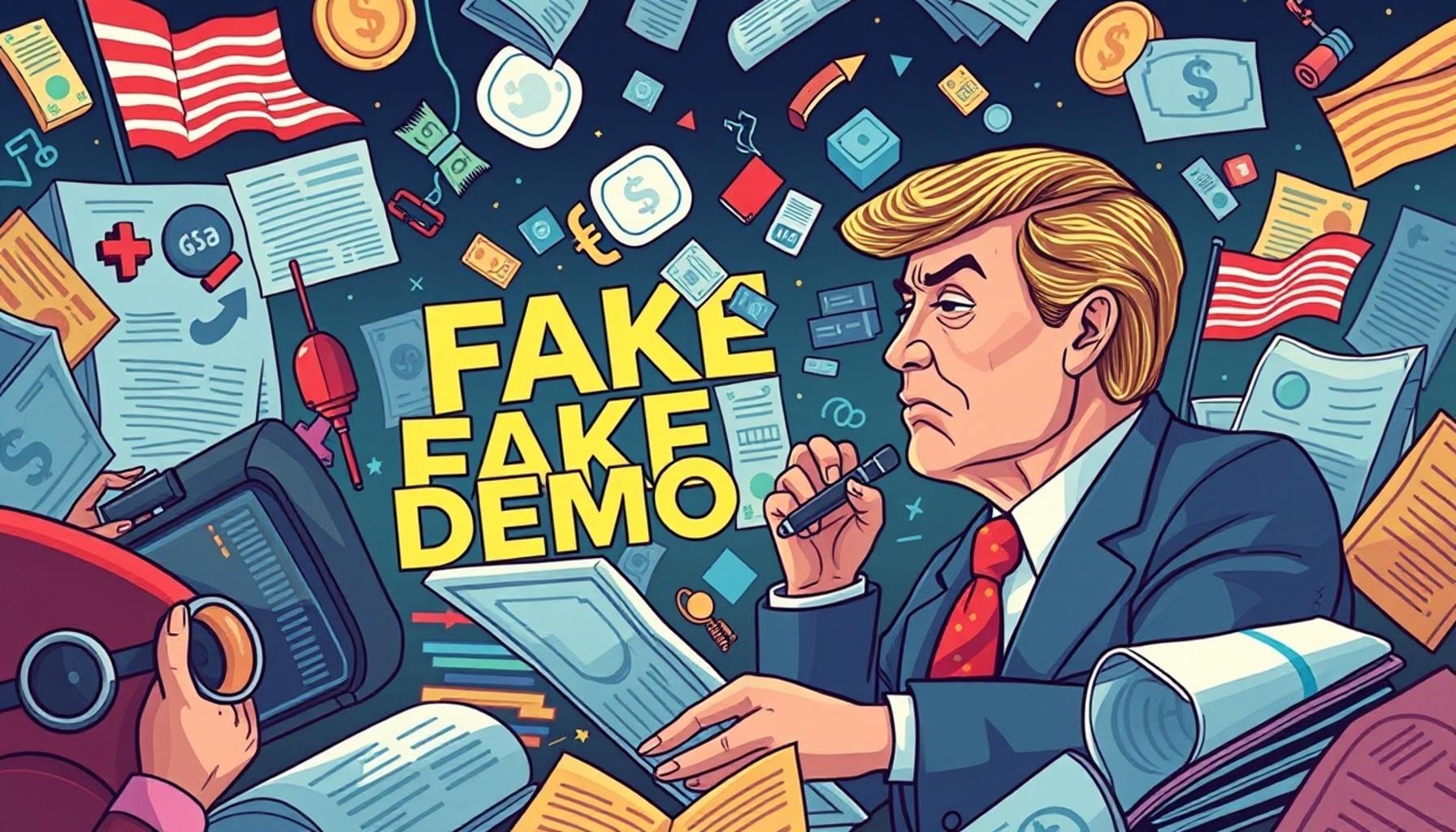
In our increasingly digital world, the phenomenon of fake news has risen to prominence, becoming a serious challenge to the integrity of democratic processes in the United States. This surge in misinformation significantly influences how citizens access information and subsequently make decisions about political issues, leading to a dangerous cycle of disinformation and mistrust.
The effects of fake news are far-reaching, resulting in consequences that ripple across society. For example, undermining trust in reputable news sources has resulted in a public that is increasingly skeptical of even credible journalism. Surveys have indicated that many Americans struggle to differentiate between reliable news organizations and those that disseminate misleading information. This erosion of trust not only creates a climate of confusion but also fosters apathy, where individuals feel that all news is biased or unreliable.
Additionally, polarization within the political landscape has deepened as individuals gravitate towards news sources that align with their pre-existing beliefs. Social media algorithms often exacerbate this issue by promoting echo chambers, where users are predominantly exposed to information that reinforces their views. A prime example can be seen in the handling of the COVID-19 pandemic, where misinformation regarding vaccines contributed to significant divides in public opinion, impacting health guidelines and vaccination rates across different demographics.
Moreover, fake news has a profound impact on manipulating opinions, particularly during critical events such as elections. During the 2016 presidential election, falsehoods circulated widely on social media, with fabricated stories influencing voter perceptions. For instance, claims alleging that certain candidates supported extremist policies, when untrue, swayed public sentiment and affected voter turnout. Disinformation campaigns can often emerge from foreign entities as well, aiming to destabilize confidence in the electoral process while further amplifying divisive narratives.
To illustrate more about this troubling issue, targeted disinformation efforts have become increasingly sophisticated. We see this through carefully crafted social media posts designed to mislead the public on pressing issues like healthcare and immigration policy. For instance, misleading claims about the Affordable Care Act led to widespread misunderstanding regarding its benefits and shortcomings, which ultimately influenced public policy debates.
Moving forward, it is critical to understand that disinformation impacts not only personal beliefs but also plays a significant role in shaping political decisions at every level of governance. A well-informed electorate is vital for the health of our democracy, emphasizing the urgent need to tackle the challenges posed by fake news. By promoting media literacy and fostering critical thinking skills among citizens, we can help counteract the prevalence of misinformation in our society.
DIVE DEEPER: Click here to uncover how AI is reshaping industries</p
The Mechanisms of Disinformation
Understanding the mechanisms behind disinformation is essential to grasping its pervasive impact on democracy. Fake news often spreads through various channels, with social media platforms at the forefront of this phenomenon. Misinformation can be generated and shared at an unprecedented scale, allowing a single misleading post to reach millions within hours. This rapid spread is particularly concerning during election periods when accurate information is critical to informed decision-making by voters.
One of the primary drivers of disinformation is the use of emotional appeal. Sensational headlines, shocking statistics, or exaggerated claims evoke strong feelings, prompting individuals to share the information without verifying its authenticity. This emotional response is often more persuasive than facts or context, leading people to engage with false information enthusiastically. Additionally, entities that seek to manipulate public opinion often capitalize on hot-button issues such as immigration, gun control, and healthcare, which are already sources of division in American society.
The Role of Social Media Algorithms
Social media plays a critical role in shaping public perceptions. Platforms like Facebook and Twitter leverage algorithms that prioritize content based on user engagement rather than veracity. This means that sensational or emotionally charged posts are more likely to appear in users’ feeds, further entrenching their existing beliefs and perpetuating echo chambers. As a result, individuals are often isolated from opposing viewpoints, which can distort their understanding of complex issues and lead to misinformed political decisions.
- Confirmation Bias: People tend to seek out information that confirms their pre-existing beliefs.
- Social Validation: Sharing may also be driven by the desire for approval from peers within their social circles.
- Algorithmic Filtering: Platforms tailor content to user preferences, inadvertently narrowing the scope of information individuals receive.
In addition to these patterns, disinformation campaigns frequently employ specific strategies to create a sense of urgency or fear. For instance, during election seasons, fabricated stories about candidates may circulate to provoke outrage or panic about potential policy changes. This form of manipulation can sway voters’ preferences and dictate their decisions at the polls, raising serious concerns about the fundamental fairness of the electoral process.
Further complicating the landscape, foreign interventions have highlighted the vulnerability of American democracy to outside influence. Reports have surfaced alleging that foreign actors used social media to spread disinformation with the intent of disrupting electoral integrity and fueling societal divides. This situation underscores the critical need for vigilance against the myriad of ways disinformation can seep into public discourse and political decision-making.
As we navigate these challenges, it becomes increasingly vital to develop strategies that empower citizens to recognize and critically assess the information they encounter. By investing in media literacy programs and encouraging critical thinking, we can bolster our democratic institutions against the disruptive forces of fake news, fostering a well-informed electorate capable of making sound political choices.
DISCOVER MORE: Click here to learn about the new wave of budget-friendly filmmaking
The Consequences of Disinformation on Political Decisions
The repercussions of disinformation extend far beyond the immediate spread of false information; they play a significant role in shaping public opinion and ultimately affect political decisions at every level. When voters fall prey to fake news, they risk making choices based on inaccuracies or misleading information that misrepresents candidates’ positions or policy outcomes. This, in turn, can lead to a misalignment between elected officials and the true interests of their constituents.
The Impact on Voter Behavior
Research demonstrates that individuals exposed to disinformation are more likely to embrace divisive political ideologies and can even shift their opinions on key issues. A famous instance occurred during the 2016 Presidential election when numerous misleading articles about both candidates circulated online. Some studies suggest that exposure to fake news may have swayed undecided voters or caused some supporters to abandon their preferred candidates. For example, reports of fabricated scandals or exaggerated policy failures often create lasting emotional impressions that can influence electoral outcomes.
Furthermore, the phenomenon of motivated reasoning contributes to the way disinformation affects voter behavior. Individuals who encounter false information often engage in selective reasoning that reinforces their existing beliefs. This cognitive bias underscores how disinformation not only misdirects individuals but also exacerbates political polarization by creating a battleground of conflicting narratives. When partisanship is heightened, it leads to an unproductive political climate where collaboration between opposing sides becomes increasingly difficult.
Challenges in Addressing Disinformation
Confronting the challenges posed by disinformation requires a multi-faceted approach that engages various sectors of society. However, solutions are often impeded by the sheer volume of misinformation and the rapidly changing digital landscape. Traditional media outlets, despite their commitment to journalistic integrity, struggle to keep pace with the speed of social media dissemination, making it challenging to counter false narratives effectively.
- Regulatory Measures: While some policymakers advocate for comprehensive regulations governing social media platforms, the effectiveness of such regulations remains debated. Ensuring that these companies account for the spread of disinformation while preserving free speech is a delicate balance.
- Public Awareness Campaigns: Nonprofit organizations and educational institutions are increasingly stepping in to promote media literacy. Such campaigns equip citizens with the tools needed to critically analyze sources, recognize biases, and evaluate the credibility of information.
Moreover, the role of fact-checking organizations has become more prominent. Platforms like Snopes and PolitiFact provide vital services by debunking widely circulated falsehoods. However, despite their efforts, the challenge lies in ensuring that the information reaches those who need it most. Often, individuals who are most susceptible to fake news may also be the least receptive to fact-checking initiatives.
Ultimately, the impact of disinformation on political decisions highlights a landscape where democracy is at risk. As disinformation continues to flourish, it becomes imperative for citizens, policymakers, and technology companies alike to work collaboratively in fostering a culture of informed decision-making. Only by addressing the root causes and consequences of disinformation can a more resilient democratic process be achieved, helping to restore trust in the electoral system and the institutions that uphold it.
DISCOVER MORE: Click here to dive deeper
Conclusion: Strengthening Democracy Against Disinformation
In an era defined by rapid technological advancements and the ubiquitous presence of social media, the threat posed by disinformation to democracy has become increasingly pronounced. The impact of fake news on political decisions in the USA underscores the fragility of informed electoral processes. When voters are influenced by misleading or entirely false information, the very foundation of democracy—the ability to make educated choices—becomes compromised.
As observed, disinformation not only distorts individual voter perceptions but also cultivates an atmosphere of political polarization. This division stifles constructive dialogue and hinders collaboration across the political spectrum. Addressing this pressing challenge requires a concerted effort from all corners of society, including government, educational institutions, and technology platforms. Each has a critical role in not only combating the spread of false information but also in fostering a culture of media literacy among citizens.
Moreover, as individuals, it is vital that we take an active role in safeguarding our democracy. Becoming discerning consumers of information, engaging in fact-checking, and promoting transparency are essential steps citizens can take to mitigate the impact of disinformation. By demanding accountability from both media outlets and social media platforms, we can help ensure a healthier democratic discourse.
Ultimately, our collective efforts to counter disinformation will not only enhance the integrity of our political system but also reinforce public trust in democratic institutions. By standing united against the tide of fake news, we can pave the way toward a more informed electorate and a resilient democracy that truly reflects the will of the people.

Linda Carter
Linda Carter is a writer and expert known for producing clear, engaging, and easy-to-understand content. With solid experience guiding people in achieving their goals, she shares valuable insights and practical guidance. Her mission is to support readers in making informed choices and achieving significant progress.