
The future of smart cities: how technology is transforming urban life
Understanding the Evolution of Urban Life
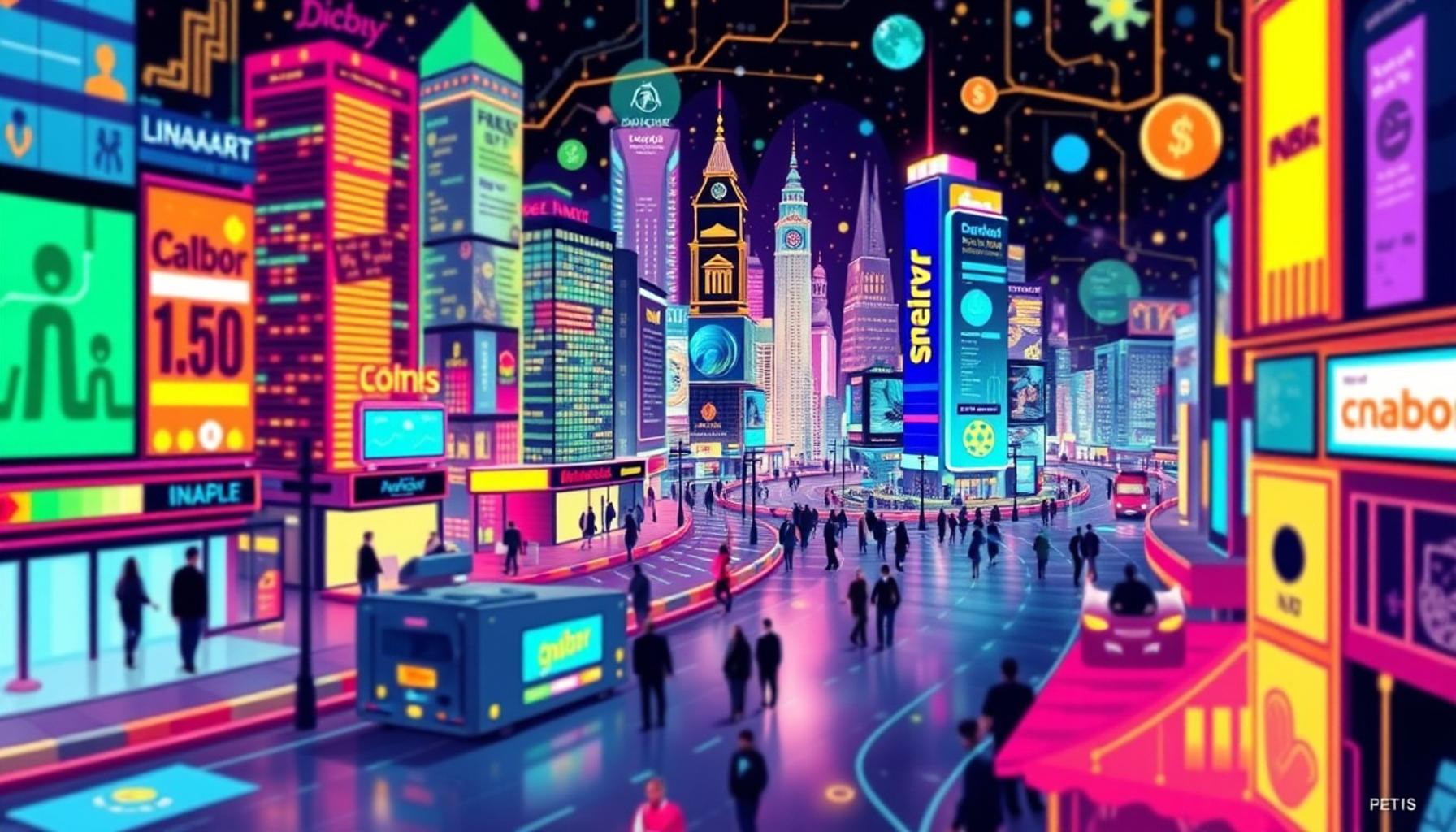
Urban environments are undergoing a rapid transformation, significantly influenced by advancements in technology. At the heart of this change are smart cities, which leverage connectivity and intelligence to enhance city infrastructure. This evolution is not merely about integrating new technology; it represents a fundamental shift in how cities operate to foster improved living conditions for their residents.
One of the standout features of smart cities is smart transportation. These systems utilize real-time data to manage public transit more efficiently. For example, cities like San Francisco have implemented apps that provide real-time bus and train updates, allowing commuters to plan their journeys with greater precision. This not only reduces wait times but also helps minimize congestion by encouraging public transport usage over personal vehicles.
Another critical component is energy efficiency. Smart grids are designed to optimize the delivery and consumption of electricity. In cities such as Los Angeles, smart meters provide consumers with detailed information on their energy usage patterns, empowering them to make informed decisions about their energy consumption. This technology not only conserves resources but also leads to lower energy bills for residents.
The integration of the Internet of Things (IoT) is also revolutionizing urban services. By connecting everyday objects, cities can improve public safety and service delivery. For instance, smart streetlights equipped with sensors can adjust their brightness based on pedestrian and vehicle presence, conserving energy when areas are less trafficked while enhancing visibility when needed. Moreover, monitoring systems can alert city officials to maintenance issues, such as leaks or weather impacts on infrastructure.
Data-driven governance constitutes another significant advancement in smart cities. By utilizing data analytics, city officials can make informed decisions based on real-time insights. For example, cities like Chicago employ data from public health, housing, and transportation to identify urban challenges and allocate resources effectively. This allows for proactivity in addressing issues such as homelessness or public health crises.
As we move forward, the importance of understanding how technology shapes urban environments cannot be overstated. The benefits extend far beyond mere convenience. Smart cities aim to enhance the overall quality of life for all residents through sustainable growth and innovative solutions. This exploration into the advancements within smart cities provides a blueprint for the future, illustrating that urban development can coexist with ecological responsibility and improved living standards in the United States and across the globe.
DISCOVER MORE: Click here for tips on getting free products
Transformative Technologies in Smart Cities
The concept of smart cities revolves around the integration of cutting-edge technologies that enhance urban living. Each of these technological advancements plays a crucial role in making cities more vibrant, sustainable, and efficient. At the core of this transformation are several key technologies that redefine interactions within urban environments.
Smart waste management is one such innovation, revolutionizing how cities handle refuse and recycling. In cities like New York, smart bins equipped with sensors detect when they are nearing capacity. This capability allows waste management companies to optimize collection routes, thereby reducing emissions and operational costs. The ability to collect data on waste generation patterns can also help cities implement more effective recycling programs, encouraging residents to participate actively in sustainability efforts.
Public safety and security are being enhanced through technology as well. Advanced surveillance systems utilizing artificial intelligence (AI) can monitor public areas for unusual behavior and alert law enforcement in real-time. For instance, cities such as Atlanta are investing in smart cameras that not only record video footage but also use recognition software to identify potential threats swiftly. This proactive approach to safety plays a pivotal role in ensuring the well-being of residents while preserving their privacy through responsible data usage.
Smart healthcare solutions also feature prominently in the smart city framework. Telemedicine and health monitoring systems equip residents with access to healthcare services from home, significantly reducing the strain on public health facilities. In cities like Seattle, initiatives have been set up that allow for remote health consultations via mobile applications, giving people easier access to healthcare professionals. This not only promotes early intervention for various health issues but also optimizes resource allocation within health systems.
The integration of renewable energy sources further illustrates the commitment of smart cities to sustainability. Solar panels and wind turbines, combined with energy storage solutions like batteries, provide cleaner alternatives to traditional power sources. Cities such as San Diego have implemented initiatives to expand renewable energy usage, allowing homes and businesses to harness clean energy and reduce dependence on fossil fuels. This progressive shift aligns with a broader global mission to combat climate change and promote a sustainable lifestyle.
To summarize the transformative technologies reshaping urban life, here are some key advancements:
- Smart Waste Management: Uses sensors to optimize collection and recycling processes.
- Public Safety Enhancements: Employs AI-driven surveillance for enhanced security.
- Healthcare Innovations: Telemedicine platforms provide easy access to health services.
- Renewable Energy Integration: Expands the use of solar and wind to promote sustainability.
Through the combination of these technologies, smart cities are transforming urban landscapes to better serve their residents. The goal is not just to adopt the latest tech trends but to create a harmonious balance between innovation and the environment, thereby improving the overall quality of life in cities across the United States. As we dive deeper into this topic, it is essential to recognize how these advancements pave the way for more resilient and vibrant urban ecosystems.
DISCOVER MORE: Click here to learn about the impact of social media on indie film promotion
Innovative Transportation Solutions
Another vital aspect of smart cities is the evolution of transportation efficiency. As urban populations grow, traditional transportation methods face unprecedented pressure. To address this, smart cities are integrating technologies that improve traffic flow, reduce congestion, and promote sustainable travel options.
Smart transportation systems, often powered by real-time data analytics, can optimize traffic signal timings based on current traffic conditions. For instance, cities like Los Angeles are using adaptive traffic signals that adjust in real-time, contributing to smoother traffic flow and reducing wait times at intersections. This technology not only minimizes vehicle emissions but also enhances the overall commuting experience for residents.
Furthermore, the rise of autonomous vehicles is revolutionizing urban mobility. Several cities, including San Francisco and Phoenix, are launching pilot programs to test self-driving cars for public use. These vehicles promise to reduce traffic accidents caused by human error while also offering opportunities for shared mobility services. The convenience and efficiency of autonomous rideshare options can lead to decreased individual car ownership, lessening the burden on urban infrastructure.
Public transportation systems are also evolving with technology. Cities are implementing smart transit apps that provide users with real-time information on bus and train schedules, helping residents plan their journeys more effectively. In New York City, the MTA has introduced a mobile app that allows passengers to track their subway trains in real-time, significantly improving the customer experience. Moreover, some cities are exploring the integration of e-scooters and bike-sharing programs into their public transport networks, which encourages environmentally friendly commuting alternatives.
Data-Driven Urban Planning
The use of data analytics is central to the development and management of smart cities. Urban planners are harnessing data from various sources, including social media, traffic sensors, and environmental monitors, to inform decision-making processes. This data helps identify patterns and trends in urban life, allowing cities to effectively address residents’ needs.
For example, in cities like Boston, city officials utilize data to understand where services, such as parks and public transportation, are most needed. This analysis enables them to allocate resources efficiently and design infrastructure projects that maximize community benefit. Furthermore, public engagement platforms are emerging that allow citizens to contribute data, providing valuable insights into local concerns and preferences.
Another interesting development is the use of geographic information systems (GIS) in urban planning. These systems enable cities to visualize and analyze spatial data, enhancing their ability to plan for future growth and development. By utilizing GIS technology, urban planners can simulate different scenarios, assess the environmental impact of projects, and ultimately create more livable cities.
Enhanced Community Engagement
Technology also plays a significant role in fostering community engagement. Smart city initiatives are increasingly focused on creating communication channels that connect residents with local government. Mobile platforms and social media are becoming essential tools for city officials to share important information, gather feedback, and encourage civic participation.
One example is the use of mobile applications that allow residents to report issues like potholes or streetlight outages directly to local authorities. In Chicago, for instance, the “311” app enables residents to submit service requests or complaints, paving the way for quicker responses from the city. This direct line of communication empowers citizens, promoting a sense of responsibility and ownership over their community.
Additionally, community-driven projects are on the rise, often supported by city resources. Initiatives that foster urban gardening, public art installations, or neighborhood clean-ups allow residents to collaborate on building better environments. This not only improves city aesthetics but also strengthens community bonds, making urban living more enriching.
In conclusion, the future of smart cities is shaped by a multi-faceted approach that leverages technology to improve transportation, urban planning, and community engagement. By focusing on these interrelated areas, cities are well-equipped to create sustainable solutions that benefit their residents now and in the future.
DISCOVER MORE: Click here to learn about AI’s role in film editing
Conclusion
In summary, the future of smart cities presents an exciting opportunity to redefine urban living through the effective integration of technology. As we have explored, the emphasis on innovative transportation solutions is pivotal, enabling cities to reduce congestion, promote sustainable travel, and enhance the overall commuting experience. Data-driven urban planning further ensures that resources are allocated efficiently, creating spaces that meet the evolving needs of residents. This fusion of information and technology empowers city planners to make informed decisions that contribute to a better quality of life.
Moreover, the role of community engagement cannot be underestimated. By fostering communication between residents and local authorities, smart cities are not only improving service response times but also building a stronger sense of community. Initiatives that encourage citizen participation in city projects are vital in shaping environments that resonate with local values and priorities.
As technology continues to advance, we must remain aware of its potential to transform urban life significantly. The challenges faced by growing urban populations can be met with innovative solutions that prioritize sustainability, safety, and efficiency for all residents. Looking ahead, it is crucial that cities embrace these technological changes and work collaboratively with their citizens to construct a future that embodies inclusiveness and resilience in an increasingly interconnected world. Indeed, the journey towards becoming smart cities is just beginning, and the possibilities are limitless.

Linda Carter
Linda Carter is a writer and expert known for producing clear, engaging, and easy-to-understand content. With solid experience guiding people in achieving their goals, she shares valuable insights and practical guidance. Her mission is to support readers in making informed choices and achieving significant progress.