
Smart Cities: How Digital Innovation is Transforming Urban Life
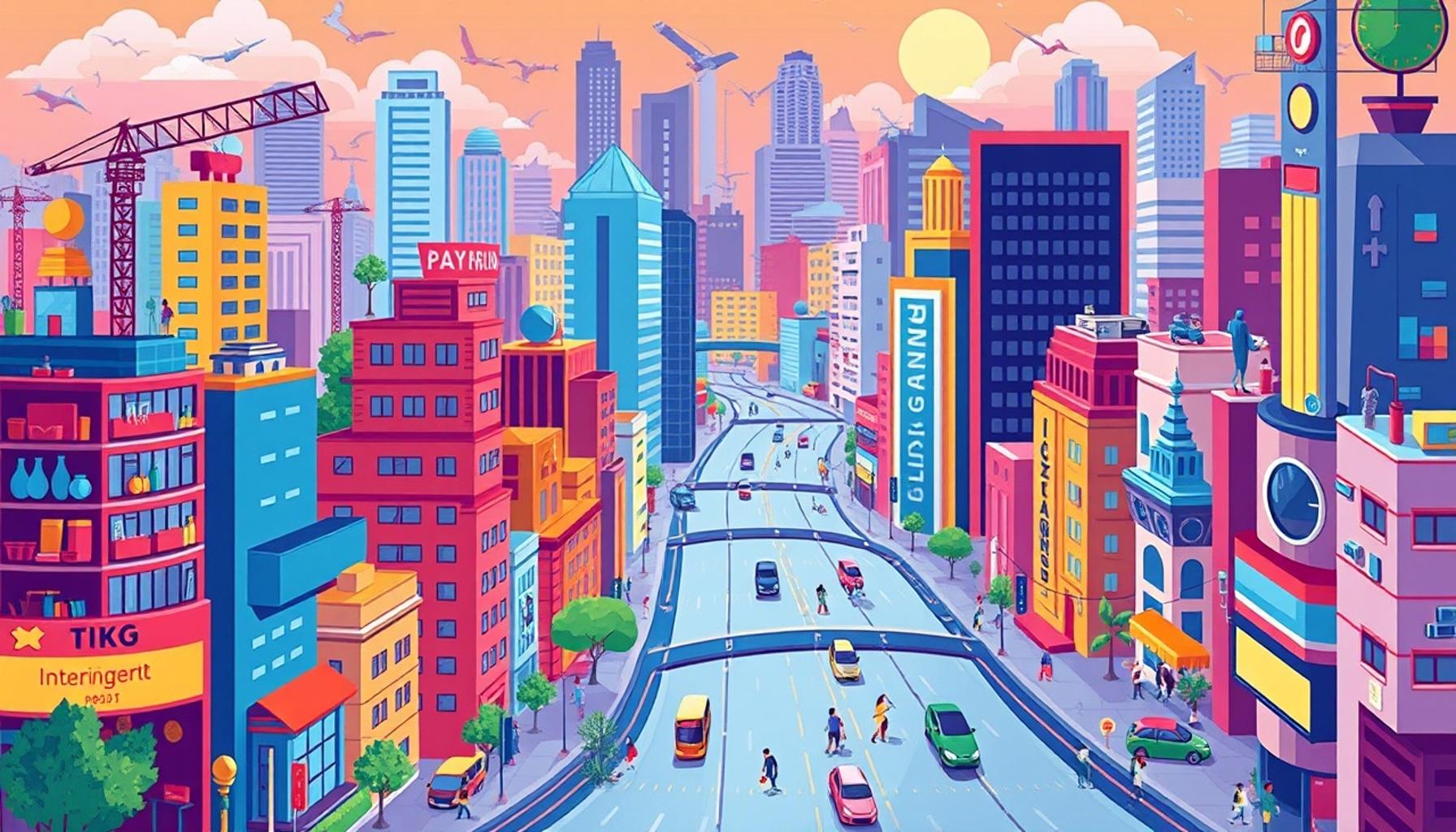
Understanding Smart Cities
Smart cities are leveraging cutting-edge technologies to transform how urban environments operate and how residents interact with their surroundings. By utilizing data-driven insights and innovative solutions, these cities aim to create a sustainable and efficient urban life, where residents can enjoy enhanced living conditions.
Connected Infrastructure
One of the cornerstones of a smart city is its connected infrastructure. Advanced technologies, including sensors and Internet of Things (IoT) devices, play a pivotal role in improving various aspects of city life. For example, cities like Los Angeles have implemented smart traffic signals that use real-time data to adjust their timing based on traffic flow, which significantly reduces congestion. Additionally, smart waste management systems can inform waste collectors when bins are full, optimizing collection routes and minimizing unnecessary trips.
Sustainable Practices
In response to the pressing threats of climate change, smart cities adopt sustainable practices to lessen their environmental impact. This includes investing in renewable energy sources such as solar and wind power, which reduces reliance on fossil fuels. Cities like San Diego have made strides in solar energy, positioning themselves as leaders in clean energy initiatives. Furthermore, efficient waste management systems that promote recycling and composting help to minimize landfill usage and reduce overall waste production, producing a more sustainable urban environment.
Enhanced Public Services
Another critical element of smart cities is the development of enhanced public services that make life easier for residents. For example, through the use of mobile applications, residents of smart cities can access real-time information about public transportation schedules and delays. New York City has embraced such technologies, allowing commuters to plan their journeys more efficiently, saving time and reducing stress. In terms of public safety, smart surveillance systems equipped with analytics can help law enforcement respond quickly to incidents, thereby improving community safety.
The Future of Urban Living
As cities like Austin continue to embrace these digital innovations, the future of urban living looks increasingly interconnected and efficient. Residents can expect to enjoy services that are not only more responsive but also cost-effective. Enhanced community engagement platforms are enabling residents to have a voice in local governance and decision-making processes, fostering a strong sense of community.
Understanding these advancements is vital for citizens as we navigate towards a more digital future. The growth of smart cities not only enhances the way residents interact with their environment but also promotes a higher quality of life through improved services and sustainable practices. The proactive steps toward making cities smarter signify a commitment to a more livable, economical, and environmentally friendly urban experience.
LEARN MORE: Click here to dive deeper
Transforming Urban Life Through Technology
The concept of smart cities represents a profound shift in how urban spaces utilize technology to enhance daily life for their residents. By embracing digital tools and data analytics, cities can address long-standing challenges and promote a better quality of life. This transformation is evident in several key areas, including transportation, energy conservation, and public engagement.
Smart Transportation Solutions
Transportation is one of the most impactful areas where smart city technologies are making a difference. Intelligent transportation systems (ITS) harness real-time data to streamline traffic flow and reduce travel times. For instance, cities like Chicago have adopted smart parking solutions that guide drivers to available parking spots, alleviating the frustration of searching for spaces. Moreover, bike-sharing programs integrated with mobile apps encourage sustainable travel and reduce congestion.
- Real-time traffic updates: Apps provide information on road conditions and alternative routes.
- Public transit innovations: Buses and trains equipped with GPS allow users to track arrivals in real-time.
- Electric vehicle (EV) infrastructure: Charging stations are increasingly available, promoting the use of environmentally friendly transportation options.
Energy Efficiency and Management
Energy management is another vital area where smart city technologies play a significant role. Smart grids enable cities to monitor and optimize energy consumption, keeping costs low and enhancing sustainability. For example, San Francisco has implemented smart meters that allow residents to track their energy usage in real time, encouraging more mindful consumption. This initiative helps reduce the overall load on the energy grid during peak times, ultimately benefiting both consumers and the environment.
Community Engagement Through Technology
Engaging residents in the decision-making process is a fundamental aspect of a smart city. Digital platforms facilitate community interactions and provide a means for citizens to voice concerns and suggestions. For example, cities like Seattle have adopted online forums and mobile apps to gather feedback on local projects, making it easier for residents to participate in urban development discussions. This approach not only fosters a sense of belonging but also empowers citizens to contribute to the future of their community.
As these innovations continue to evolve, there is an exciting opportunity for cities to reimagine urban life. The integration of technology into daily operations creates a more responsive and adaptable environment that can meet the needs of its residents. The journey towards smarter cities holds the promise of improved quality of life, sustainable practices, and active community participation, ultimately paving the way for thriving urban ecosystems.
DIVE DEEPER: Click here to learn more
Enhancing Urban Livability Through Digital Solutions
The advancements in smart city technologies extend beyond transportation and energy management. Areas such as public safety, environmental sustainability, and health services are also significantly transformed, leading to improved urban livability. These innovations are essential in addressing the pressing concerns faced by modern cities, optimizing services, and ensuring a safer, healthier environment for residents.
Public Safety Innovations
Safety is a paramount concern for urban dwellers, and smart city technologies are proving effective in enhancing public safety measures. For instance, cities like Los Angeles have implemented smart surveillance systems that use artificial intelligence (AI) to monitor public spaces and detect unusual activities. These systems can alert authorities in real time, enabling timely responses to potential threats. Additionally, emergency response services benefit from smart technologies; GPS and data analytics enable agencies to pinpoint locations more accurately during emergencies, significantly reducing response times.
- Predictive policing: Some cities utilize data analytics to identify crime hotspots, allowing for proactive law enforcement measures.
- Flood and disaster management: Real-time monitoring systems can predict natural disasters, enabling better evacuation planning and resource allocation.
Environmental Sustainability Initiatives
Sustainability is at the heart of the smart city initiative, as urban areas seek to minimize their environmental impact. Smart technologies assist cities in tracking pollution levels, managing waste, and conserving water resources. For example, New York City has introduced smart waste management systems utilizing sensors in bins to monitor waste levels. This allows for optimized collection routes, reducing emissions associated with garbage trucks and improving efficiency.
- Green energy initiatives: Many cities are integrating solar panels and wind turbines into public spaces, promoting renewable energy usage.
- Water management: Smart irrigation systems in parks and green spaces make real-time adjustments based on weather data, ensuring efficient water use.
Digital Health Services
Healthcare access and efficiency are critical in urban environments, and digital innovation is enhancing these services considerably. Telehealth platforms allow residents to consult with healthcare providers without the need for travel, ideal for those in congested urban settings. Cities like Boston have launched initiatives combining health data with urban planning, leading to the development of healthier urban environments. For instance, analyzing patterns of activity and health data helps city planners create more walkable spaces, improving both physical health and overall well-being.
Education and Workforce Development
The evolution of smart cities encompasses education and workforce development as well. Digital tools facilitate learning and skill-building opportunities for residents. For example, initiatives in cities such as Austin provide free access to coding boot camps and digital literacy programs, equipping citizens with the skills needed in a technology-driven job market. Community centers often partner with local tech firms to offer resources that strengthen the local economy and workforce.
These interconnected digital innovations are reshaping urban environments, making them more secure, sustainable, and efficient. By leveraging technology, cities can create responsive systems that not only improve daily life but also prepare for future challenges in a constantly changing world.
DISCOVER: Click here to dive deeper
Conclusion
In conclusion, the emergence of smart cities stands as a powerful testament to how digital innovation is fundamentally altering the fabric of urban life. By integrating advanced technologies, cities are not only enhancing public safety and promoting environmental sustainability but are also revolutionizing healthcare and education, ultimately leading to a higher quality of life for residents. The proactive use of data analytics for crime prevention and emergency response exemplifies how technology can create safer communities, while smart waste management systems demonstrate a commitment to reducing our ecological footprint.
Moreover, as cities like Boston and Austin illustrate, digital health services and education initiatives empower citizens to thrive in an increasingly tech-driven world. By prioritizing access to information and skill-building opportunities, smart cities foster an inclusive environment that promotes economic growth and job creation.
As we look to the future, it is crucial for urban planners, policymakers, and community members to embrace and invest in these smart city initiatives. Collaboration across sectors and active citizen engagement will be key in crafting cities that are resilient, adaptable, and prepared to confront the evolving challenges of urban living. The journey towards smarter cities is not just about technology; it is about building cities that prioritize the well-being of their inhabitants, ensuring that everyone can enjoy the benefits of an interconnected and innovative urban landscape.

Linda Carter
Linda Carter is a writer and expert known for producing clear, engaging, and easy-to-understand content. With solid experience guiding people in achieving their goals, she shares valuable insights and practical guidance. Her mission is to support readers in making informed choices and achieving significant progress.