The Role of Consumers in the Evolution of Innovation Trends in Films

Understanding Consumer Influence in the Film Industry
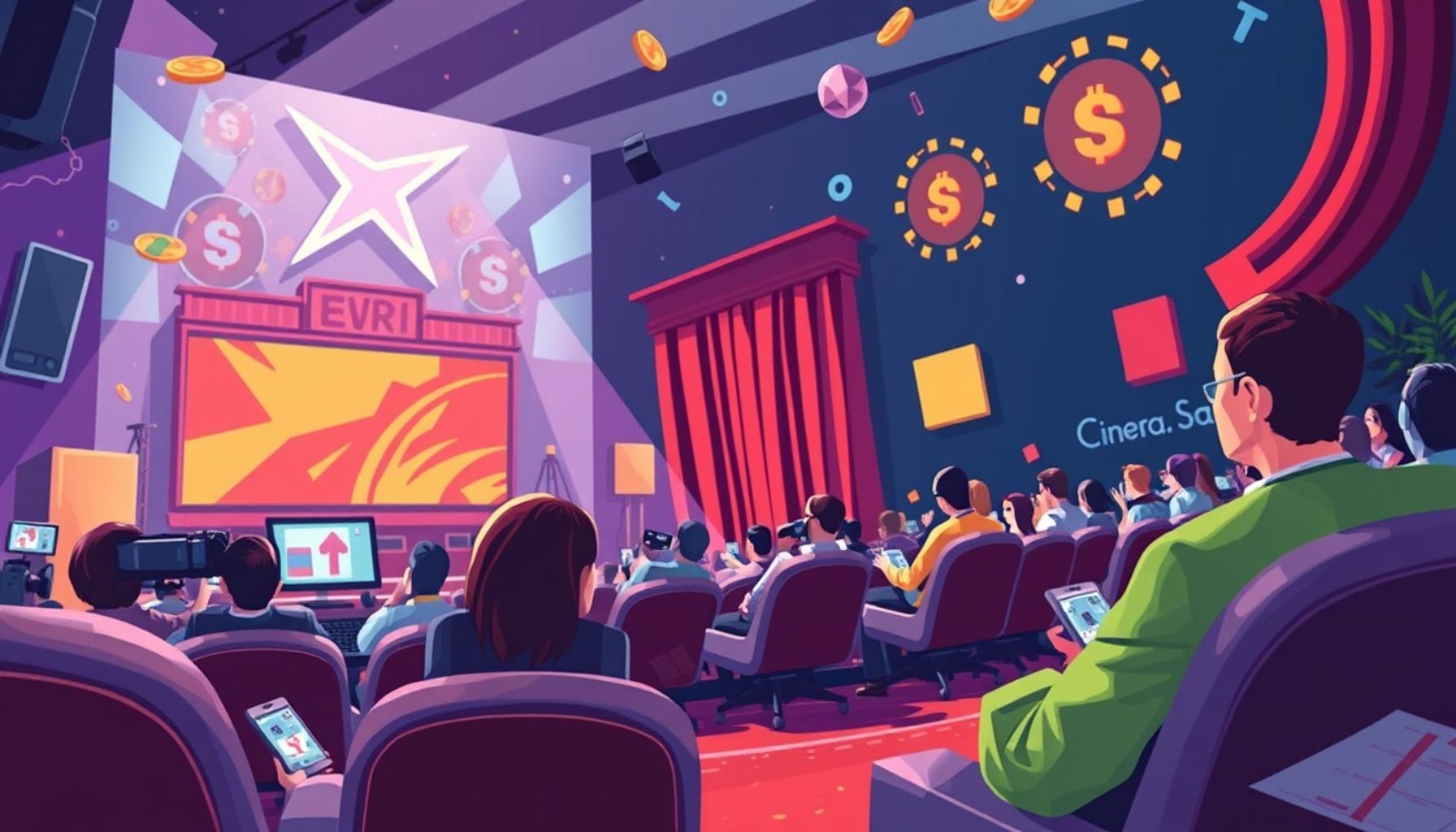
In the age of digital media and rapid technological advancement, the film industry constantly adapts to the evolving preferences of its audience. This evolution is driven by a profound understanding of consumer behavior, which plays an essential role in the types of films that are produced, marketed, and consumed. Filmmakers, producers, and studios must stay attuned to these shifting dynamics to remain competitive and relevant.
Demand for Diversity
Contemporary audiences are increasingly showing a preference for authentic narratives that reflect a wide range of experiences and cultures. The push for diversity has led to significant changes in casting choices and storytelling approaches. For example, films like “Black Panther” and “Crazy Rich Asians” achieved massive commercial success by featuring predominantly non-white casts and exploring themes that resonate with diverse communities. This shift not only satisfies audience expectations but also enriches the cultural landscape of cinema, leading to more relatable and varied stories.
Interactive Experiences
Another significant trend is the growing consumer interest in interactive experiences that incorporate cutting-edge technology. Viewers today are captivated by films that use virtual reality (VR) or augmented reality (AR) to enhance storytelling. For instance, immersive experiences such as “The Walking Dead: Our World,” which merges mobile gaming and real-world locations, draw on AR technology to create a unique interaction between the viewer and the film’s universe. This demand for interactivity encourages filmmakers to experiment with new technologies to captivate their audience.
Streaming Culture
The rise of streaming services has also dramatically transformed how films are distributed and consumed. Platforms like Netflix and Hulu have reshaped viewing habits, allowing audiences to watch movies on their own schedule. This shift to a streaming culture not only influences the types of films being produced—more niche content is now viable—but also affects how films are marketed. Successful streaming releases often lead to audience-driven campaigns that optimize social media engagement and enhance visibility, demonstrating a direct link between viewer habits and marketing strategies.
Feedback Loop Impacting Filmmaking
Furthermore, the speed of communication through social media platforms creates an effective feedback loop where audience reactions can significantly influence filmmaking. Viewers now use platforms like Twitter and Instagram to express their opinions, which can lead to immediate adjustments in film narratives. For example, the fate of certain characters in popular series may be altered based on audience reactions as seen in shows like “Game of Thrones,” where the fan response to character arcs influenced future plot developments.
- Plot Developments: Filmmakers may choose to adapt storylines based on audience suggestions, ensuring that the final product resonates with viewers.
- Marketing Strategies: Engaging with consumers through interactive promotions, sneak peeks, and fan polls helps to create excitement around upcoming films.
- Franchise Expansions: Successful films can lead to sequels or spin-offs that reflect popular demand, capitalizing on the established fanbase.
In conclusion, the intricate relationship between consumer behavior and film innovation is reshaping the cinematic landscape. By recognizing and responding to these trends, film industry stakeholders can create films that not only entertain but also connect with diverse audiences, ensuring lasting relevance in this ever-evolving environment. With each film, filmmakers are not merely telling stories—they are engaging in a dynamic conversation with their audience that has the power to innovate the very art of filmmaking itself.
DISCOVER MORE: Click here to dive deeper
Shifts in Audience Preferences
The landscape of film production has always been shaped by audience preferences, but today’s consumers wield more influence than ever before. With the advent of advanced technology and the proliferation of digital platforms, the ways in which films are made and viewed continue to evolve. The role of consumers extends beyond mere spectatorship; they are active participants in influencing the creation and success of cinematic offerings.
Empowerment through Consumer Choices
Modern consumers possess the power to drive industry trends through their choices and preferences. The availability of streaming services and video-on-demand platforms has led viewers to have a better say in what types of films get made. These platforms often analyze consumer viewing habits and preferences to recommend content tailored to individual tastes. For instance, Netflix’s algorithm-driven approach suggests films based on previous viewing history, guiding not just audiences but also filmmakers toward creating content that aligns with proven viewer interests.
Diverse Storytelling and Representation
The call for inclusive storytelling cannot be understated in today’s film industry. Consumers are actively vocalizing their desire for narratives that showcase underrepresented voices and experiences. This shift is evident in the rise of films that prioritize representation, tapping into various backgrounds, identities, and cultures. The success of movies like “Moonlight” and “Parasite,” both of which explore complex themes pertinent to marginalized communities, demonstrates that audiences are increasingly drawn to stories mirroring the diversity of real life.
Social Media’s Role in Consumer Engagement
Social media platforms play a significant role in enhancing consumer engagement with film content. Audiences not only consume films but also share their opinions, thus creating a dialogue around the films they watch. Hashtags, viral challenges, and trending topics allow consumers to influence film visibility, resulting in increased public interest. This engagement fosters a sense of community as fans connect over shared interests or debates about films, ultimately swaying studio decisions. An example of this phenomenon can be seen with the 2019 film “Sonic the Hedgehog,” where consumer backlash over the initial character design led to a redesign before its release, showcasing that viewer feedback can lead to tangible outcomes in film production.
Shaping Future Content through Critical Reception
Consumer feedback, especially following a film’s release, has become crucial in determining its success and potential for further development. Box office performance and viewer ratings are often analyzed and can dictate whether studios proceed with sequels or spin-offs. For instance, the popularity of the Marvel Cinematic Universe has fueled a continual expansion of its storylines and character arcs, largely influenced by audience enthusiasm and engagement. This responsiveness denotes a shift from a one-way communication model to a more dynamic interaction between filmmakers and their audience.
- Engagement Metrics: Ratings, reviews, and audience scores on platforms like Rotten Tomatoes provide crucial data on consumer preference.
- Franchise Development: Successful films can lead to the creation of extensive franchises that cater to growing fanbases.
- Content Creation: Feedback on social media and surveys may inform future film projects, ensuring alignment with consumer interests.
In summary, consumer preferences are reshaping traditional paradigms in the film industry. As audiences continue to express their desires through engagement and feedback, filmmakers and studios are prompted to innovate and adapt, ensuring that the films produced resonate on a deeper level with viewers. The future of cinema thus hinges not only on storytelling but also on forging meaningful connections with audiences, reflecting the ongoing evolution of cultural narratives in film.
DISCOVER MORE: Click here to learn about the impact of social media on independent films
Transforming Production Dynamics
As we delve deeper into the role of consumers in shaping film innovation, it’s crucial to examine how their preferences are reshaping production dynamics. Filmmakers and studios are not just responding to audience desires; they are increasingly integrating feedback into the creative process from the very beginning. This active engagement marks a significant departure from traditional production paradigms where ideas were often kept behind closed studio doors until the final product was unveiled.
The Rise of Crowdfunding and Consumer Investment
Crowdfunding platforms like Kickstarter and Indiegogo have emerged as popular alternatives for financing film projects, reflecting a shift in how consumers relate to the film development process. These platforms enable filmmakers to present their ideas directly to potential audiences, who can choose to financially support projects that resonate with them. Films such as “Veronica Mars” and “Super Troopers 2” successfully leveraged crowdfunding, showing not just financial backing but a vested interest from viewers that directly influenced the type of stories being told. This model empowers consumers to champion narratives that may not fit the traditional mold, thus driving diversity in content creation.
Consumer-Centric Marketing Strategies
Filmmakers are also adapting their marketing strategies to meet consumer expectations. With the proliferation of digital marketing, trailers, teasers, and interactive content are crafted not just to inform but to engage potential viewers. These initiatives often draw on real-time data from social media to gauge interest and tweak campaigns accordingly. For example, the marketing for “A Quiet Place” engaged audiences through interactive sound-based experiences online, directly tapping into consumer fascination and fears. Such strategies highlight how understanding consumer behavior can catalyze innovative marketing tactics that heighten anticipation and boost ticket sales.
The Impact of Globalization on Consumer Trends
As films increasingly reach global audiences, consumers from different cultural backgrounds are impacting content creation in profound ways. This phenomenon drives filmmakers to consider diverse storytelling that resonates on an international level. The success of films like “Crouching Tiger, Hidden Dragon” and “Black Panther” illustrates how global consumer interests can shape significant cultural narratives. Studios are recognizing that international box office earnings can rival or exceed domestic ones, leading to a more globally-conscious approach to filmmaking, one that reflects diverse perspectives and plots that appeal to a wider demographic.
Real-Time Audience Interaction During Releases
With the rise of live-tweeting and social media commentary during film premieres, the audience’s voice is now part of the viewing experience itself. Live interactions can create a sense of urgency and communal experience around a film’s release. For instance, the ongoing discussions around films such as “Avengers: Endgame” created a shared excitement and speculation that further fueled consumer interest. This immediate feedback loop not only informs other potential viewers but also compels filmmakers to consider real-time reactions in future projects, cultivating a cycle of innovation that reflects audience engagement.
- Interactive Experiences: Platforms increasingly offer opportunities for audiences to engage with films beyond traditional viewing methods, such as augmented reality experiences linked to film narratives.
- Diverse Narratives: With consumer demand for varying representations, filmmakers are encouraged to explore and produce stories reflecting a more accurate human experience.
- Data-Driven Decisions: Studios analyze audience engagement metrics to inform not only marketing strategies but also decisions about potential sequels and spin-offs.
These dynamics illustrate that consumers are not merely passive recipients of film content; they are integral stakeholders in the entire cinematic ecosystem. Their preferences, behaviors, and feedback directly shape the direction of filmmaking, driving both innovation and evolution in the industry. As this relationship continues to evolve, it represents a shift toward a more collaborative approach between creators and audiences, enhancing the richness of storytelling in film.
DIVE DEEPER: Click here to learn more
Conclusion
In today’s rapidly evolving film landscape, it is evident that consumers play a crucial role in driving innovation trends. Their preferences and feedback have transformed traditional production dynamics, encouraging filmmakers to embrace a more interactive and responsive approach to storytelling. Crowdfunding not only empowers audiences to invest in projects that resonate with them but also promotes a diverse range of narratives that may have been overlooked by conventional means. Additionally, the emergence of consumer-centric marketing strategies highlights the importance of understanding audience behavior to better engage viewers.
The impact of globalization has expanded this dynamic even further, allowing filmmakers to tap into a wider array of cultural influences and perspectives. The rise of real-time audience interaction on social media has also changed how films are experienced and discussed, fostering a feeling of community and shared excitement. As audiences become more engaged and involved in the film-making process, they are no longer mere spectators but pivotal forces in shaping the stories we see on screen.
As we look to the future, it’s essential for filmmakers and studios to continue to prioritize the voices of consumers, fostering a collaborative environment that not only enriches storytelling but also ensures that films reflect the diverse and complex experiences of society. This symphonic relationship not only promises a more innovative and vibrant film industry but also enhances the cultural relevance of cinema as a medium, creating a lasting bond between creators and audiences.

Linda Carter
Linda Carter is a writer and expert known for producing clear, engaging, and easy-to-understand content. With solid experience guiding people in achieving their goals, she shares valuable insights and practical guidance. Her mission is to support readers in making informed choices and achieving significant progress.