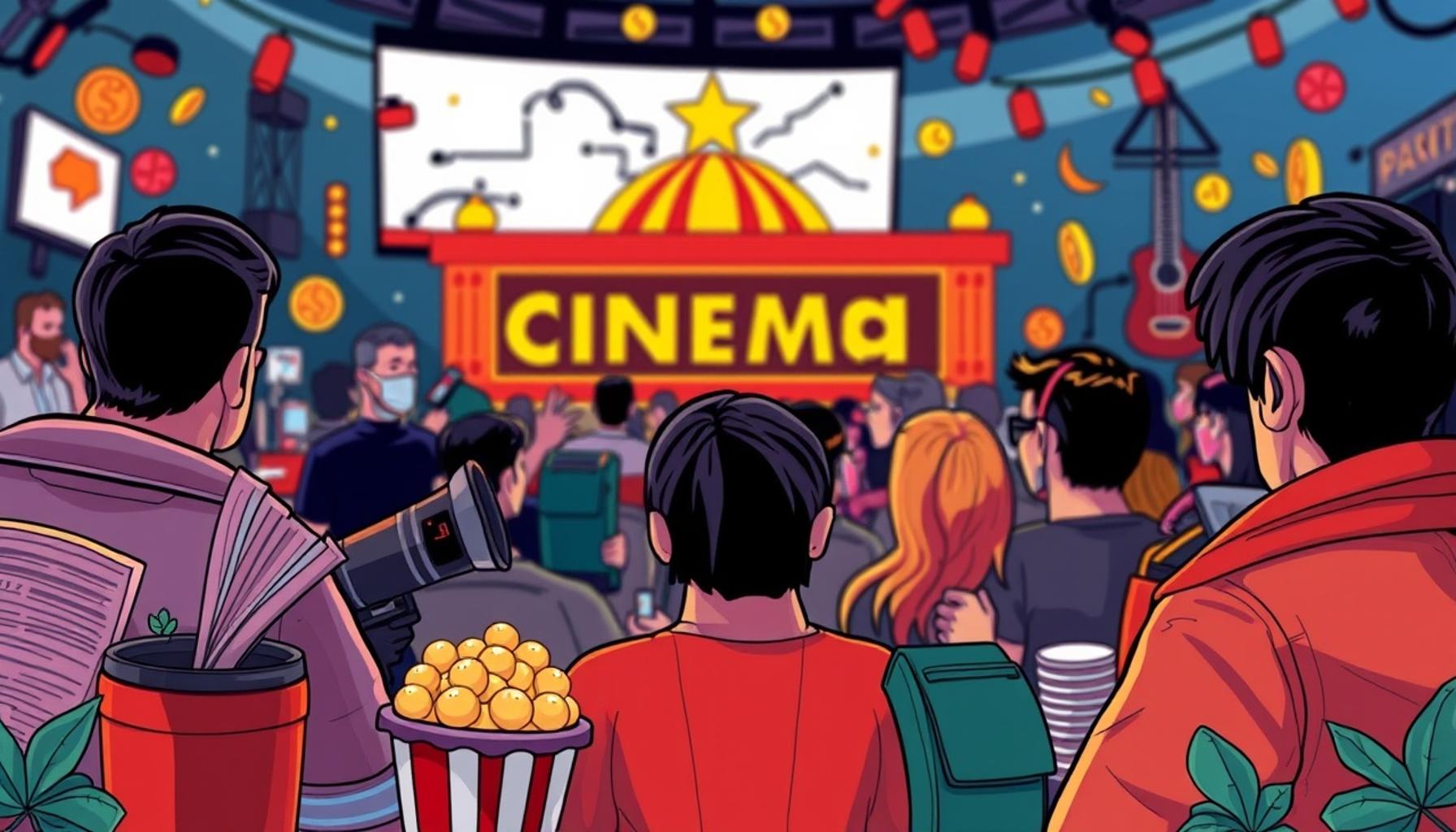
How the Visual Aesthetics of Modern Films Are Shaping Lifestyle and Consumption Preferences

The cinematic landscape has profoundly transformed over the years, becoming a beacon of cultural influence that extends far beyond the realm of entertainment. Today, movies serve not only as vehicles for storytelling but also as significant factors in shaping lifestyle choices and consumer behaviors. The experience of watching a film today can transport audiences into meticulously crafted worlds filled with vibrant visuals and engaging narratives, leading to a profound impact on their aspirations and preferences.
Visual Trends
One of the most impactful aspects of modern cinema is the use of visual trends. Filmmakers often employ advanced techniques in color grading, lighting, and set design to create aesthetically stunning environments. For instance, movies like “La La Land” utilized rich colors and artistic set pieces that not only captivated viewers but also stirred interest in a retro-chic aesthetic. The visual styles often create a desire to recreate similar atmospheres in viewers’ own lives, such as the adoption of bold wall colors or retro furniture.
Brand Collaborations
Another significant influence arises from brand collaborations. Advertisers have long recognized the power of product placement within films to subtly endorse luxury and lifestyle brands. When audiences see their favorite characters enjoying high-end products, the allure of these items grows. For example, in the James Bond franchise, the showcasing of brands like Aston Martin and Omega watches not only enhances the narrative but also cultivates a desire among fans to emulate the luxurious lifestyle depicted on screen.
Character Styles
Equally important is how character styles can set trends in fashion and personal expression. Iconic characters often become style icons, influencing audiences to adopt similar looks. The character of Holly Golightly in “Breakfast at Tiffany’s,” for example, has led to a lasting fascination with chic, sophisticated attire and classic accessories, such as the little black dress. As fans seek to emulate their beloved characters, they often turn to similar clothing pieces, makeup styles, and lifestyle choices.
These elements—visual trends, brand collaborations, and character styles—work in harmony to shape consumer perceptions and choices. Individuals may feel inspired to incorporate the visual narratives they encounter in films into their daily lives, leading to changes in their fashion, home décor, and even travel destinations inspired by movies. Cinema, therefore, transcends mere entertainment; it actively influences how people perceive themselves and the world around them.
In the following sections, we will delve deeper into how the mesmerizing visuals of modern cinema serve not just as artistic expressions but also as drivers of change in consumer lifestyles. By examining specific examples, we can better understand the intricate relationship between film and daily life.
DIVE DEEPER: Click here to uncover the evolution of cinematic experiences
Visual Storytelling and Emotional Engagement
At the core of modern filmmaking is the concept of visual storytelling. Filmmakers leverage stunning imagery and artistic choices to evoke emotions and create a connection with the audience. This experience often transcends the screen, imprinting specific visual narratives onto the viewer’s memory. For instance, movies such as “Moonlight” and “The Grand Budapest Hotel” have captivated audiences not just through their plots but through their enchanting visuals, which highlight the importance of atmosphere in storytelling.
The careful selection of color palettes, symbolism in set design, and the interplay of light and shadow can all contribute to how audiences feel and think about their own lives. For example, the vibrant pastel colors in “Moonlight” evoke a sense of warmth and belonging, promoting feelings of nostalgia and inspiration within viewers. As a result, individuals might find themselves drawn to soft hues in their personal spaces or even in their clothing choices, fostering a lifestyle that reflects the emotional realities portrayed in such films.
Influence on Home Décor and Aesthetics
Modern cinema often emphasizes unique set designs that reflect various cultural backgrounds and lifestyles, which can lead to a shift in home décor trends. As audiences immerse themselves in these beautifully crafted environments, they begin to aspire towards similar aesthetics in their own home spaces. Here are a few ways films shape home décor preferences:
- Color Schemes: Films like “Her” have showcased warm, welcoming interiors that encourage viewers to incorporate cozy, earthy tones in their own homes.
- Furniture Design: The vintage-inspired design of homes in “The Greatest Showman” has renewed interest in retro furniture styles, leading consumers to seek out antique shops and thrift stores for unique pieces.
- Open Spaces: Films featuring minimalist aesthetics, such as “Eternal Sunshine of the Spotless Mind,” often inspire viewers to adopt open, clutter-free designs that promote tranquility.
This blending of lifestyle aspirations with cinematic visuals encourages individuals to reimagine their environments based on what they see on screen, ultimately influencing their consumption choices. The quest for aesthetic alignment with cinematic experiences often leads people to search for products, décor items, and even styles of living that mirror their favorite films. In this way, cinema functions as a template for personal and collective identity formation, pushing audiences to express themselves in ways that echo the visually stunning stories to which they have been exposed.
The combination of visual storytelling, emotional resonance, and aspirational aesthetics creates a powerful framework through which films shape lifestyle and consumption preferences. By understanding these dynamics, audiences can better recognize how the cinematic experience influences their own choices, both personally and as consumers. In the next sections, we will further explore the intricate relationship between visual aesthetics in film and the real-world implications for lifestyle and consumer behavior.
DISCOVER MORE: Click here to learn about the impact of streaming technologies
Cinematic Fashion and Personal Style
Another significant impact of modern films on lifestyle and consumption preferences is seen through the lens of fashion. The clothing and accessories sported by characters on screen often set trends that ripple through society, influencing how individuals choose to express their own identities through style. Iconic films, such as “The Devil Wears Prada” and “La La Land,” not only tell a story but also serve as a runway for the latest fashion trends.
In “The Devil Wears Prada,” viewers are treated to an array of high fashion that transcends mere entertainment, encouraging them to gravitate towards designer labels and sophisticated ensembles. This showcases how film can elevate consumer awareness and desire for luxury items. As individuals see characters confidently navigating their worlds adorned in high-end clothing, they often begin to seek similar styles to reflect a persona they admire. The result is an uptick in sales for specific brands and a broader cultural appreciation for fashion as a form of self-expression.
Moreover, films often turn ordinary clothing into cult favorites. The retro-inspired outfits worn in “La La Land” reignited interest in vintage fashion, leading consumers to browse thrift stores and online vintage marketplaces for authentic pieces that mirror the film’s aesthetic. This sense of nostalgia, coupled with visual inspiration from films, encourages consumers not only to seek out specific items but also to embrace a broader lifestyle based on the aesthetics presented.
Food and Culinary Trends
Beyond fashion, the culinary experiences portrayed in films also have a profound impact on lifestyle choices. Cinema can introduce audiences to diverse culinary landscapes, influencing their culinary preferences and eating habits. Films like “Julie & Julia” and “Chef” showcase food as a vital aspect of culture and community, leading viewers to explore new cuisines and cooking techniques.
In “Julie & Julia,” the depiction of French cooking introduces many viewers to the artistry of culinary practices, stirring a movement towards home-cooked meals and gourmet food experiences. Many individuals may find themselves inspired to visit local farmers’ markets, experiment with fresh ingredients, or even take cooking classes to replicate the delightful dishes featured in the film. This direct correlation illustrates how beautifully presented meals on screen can stimulate interest in gourmet cooking at home.
- Food Aesthetics: The color, presentation, and creativity of meals articulated in films often trigger a desire for visually appealing dining experiences in real life. Social media platforms like Instagram demonstrate this phenomenon, where individuals frequently share their own culinary creations that reflect film-inspired aesthetics.
- Restaurant Trends: Films set in specific locales, such as “Eat Pray Love,” can lead to an increase in the popularity of certain restaurants or food trends. The portrayal of unique culinary experiences in these films motivates viewers to explore local and international cuisine.
This intersection between the cinematic portrayal of food and its subsequent influence on consumption behavior emphasizes how visuals shape not only what we eat but also how we experience food culturally. Much like fashion, the reflective narrative in food-oriented films inspires audiences to not only recreate dishes but to immerse themselves in the ambiance that enhances the meal, fostering a deeper connection to the culinary arts.
DIVE DEEPER: Click here to uncover the evolution of cinematic experiences
Conclusion
In conclusion, the visual aesthetics of modern films hold powerful sway over lifestyle choices and consumption preferences. As we’ve explored, both cinematic fashion and the portrayal of culinary experiences significantly influence how audiences perceive and engage with their own identities. Characters cloaked in the latest fashion trends not only inspire admiration but also drive consumer behavior toward luxury and stylish expressions of self. Such portrayals invite viewers to embrace elements of those trends, leading to an increased desire for specific brands and styles.
Simultaneously, the allure of beautifully crafted food scenes has cultivated a newfound appreciation for culinary arts in viewers. The resonance of films like “Julie & Julia” empowers individuals to explore gastronomic diversity while encouraging them to recreate vivid dining experiences in their own lives. As social media platforms proliferate, the visual representation of food inspired by these films prompts consumers to seek not just meals, but immersive culinary journeys.
Ultimately, the visual narratives woven through popular cinema serve as a catalyst for broader cultural shifts. They foster not only individual expression through fashion but also culinary exploration that connects communities. In our increasingly visual society, it becomes evident that movie aesthetics are more than mere decoration; they are influencing lifestyle choices that shape how we live, eat, and present ourselves in accordance with cinematic ideals. Thus, the impact of film aesthetics on lifestyle and consumption is an ever-evolving dialogue that continues to inspire and define contemporary culture.

Linda Carter
Linda Carter is a writer and expert known for producing clear, engaging, and easy-to-understand content. With solid experience guiding people in achieving their goals, she shares valuable insights and practical guidance. Her mission is to support readers in making informed choices and achieving significant progress.