
Telemedicine and Health Equity: The Transformation of Access to Medical Care in Vulnerable Communities
The Role of Telemedicine in Promoting Health Equity
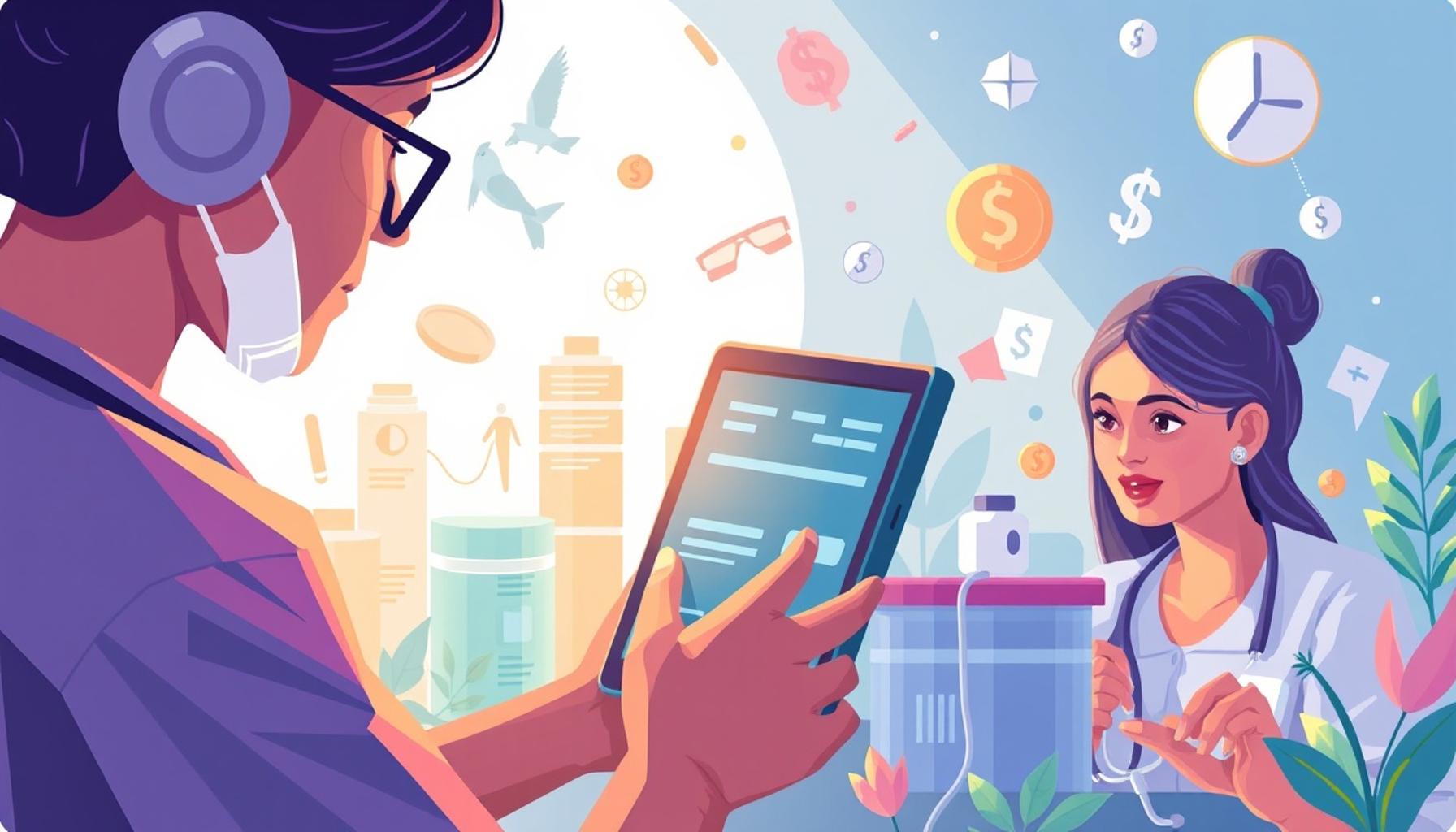
Access to medical care has long been a challenge for vulnerable communities in the United States. Telemedicine has emerged as a powerful solution, transforming how healthcare delivery is approached and making it more accessible to those in need. By leveraging technology, it bridges the gap between healthcare providers and patients who may otherwise face barriers to receiving care.
One of the primary benefits of telemedicine is its convenience. Patients can consult with doctors from the comfort of their homes, which is especially important for individuals with mobility challenges, parents of young children, or those who live in rural areas far from medical facilities. For example, a single mother in a small town can schedule a virtual appointment with a pediatrician without the hassle of arranging childcare or traveling considerable distances.
The cost-effectiveness of telemedicine cannot be overstated. With traditional in-person visits, patients often incur additional expenses related to travel, parking, or taking unpaid time off work. Telemedicine reduces or even eliminates these costs by allowing patients to consult healthcare professionals online. This is particularly advantageous for low-income families, who may struggle to afford these additional expenses. A recent study showed that telehealth appointments can reduce patient costs by as much as 40% compared to face-to-face visits, fundamentally altering their access to vital health services.
Moreover, telemedicine provides enhanced outreach to specialists who can address specific health concerns without the patient needing to undertake extensive travel. For instance, a patient living in a remote area struggling with complex mental health issues can have a video consultation with a specialist located hundreds of miles away. This innovation breaks down regional barriers and mitigates the impact of healthcare deserts, where certain communities lack adequate healthcare facilities.
These advantages are particularly significant for communities facing systemic challenges, such as low income, lack of transportation, and insufficient healthcare facilities. Telemedicine not only improves access but also addresses disparities in healthcare outcomes by ensuring that all individuals have opportunities to receive attention and treatment. Numerous studies indicate that populations utilizing telehealth services report improved follow-up on chronic conditions, as the convenience of virtual appointments encourages higher engagement with healthcare providers.
As we delve deeper into how telemedicine fosters health equity, we will explore real-world examples and discuss the ongoing challenges that must be considered to create a truly inclusive healthcare system. While telemedicine serves as a promising tool, it is essential to address barriers such as internet access and digital literacy, which can limit its reach. By overcoming these obstacles, we can further enhance the effectiveness of telemedicine in promoting equitable healthcare access for all communities.
DISCOVER MORE: Click here to dive deeper
Enhancing Access Through Telemedicine: Key Features
To understand the profound impact of telemedicine on health equity, it is essential to consider the various features that make it a vital component of modern healthcare, especially for vulnerable communities. Telemedicine is not merely about conducting virtual visits but encompasses a wide range of services that enhance the overall healthcare experience.
Key Features of Telemedicine
The following features highlight how telemedicine expands healthcare access:
- Remote Monitoring: Patients with chronic conditions, such as diabetes or hypertension, can use wearable devices to monitor their health metrics and share the data with their healthcare providers. This real-time monitoring allows for timely interventions and reduces the need for frequent in-person visits.
- Accessibility to Non-urgent Care: Telemedicine provides a platform for addressing non-emergency health concerns, such as skin rashes or seasonal allergies, without requiring patients to take time out of their busy schedules. This means that even minor health issues can be addressed quickly, preventing them from escalating into more significant problems.
- Patient Education: Through telemedicine, patients can access valuable educational resources, webinars, and support groups tailored to their specific health needs. This wealth of information empowers individuals to make informed decisions regarding their health.
These features are particularly beneficial for individuals in underserved areas, where limited healthcare resources pose a considerable challenge. For example, a senior citizen living in a low-income neighborhood may struggle to leave their home due to mobility issues or lack of transportation. Telemedicine allows them to consult a physician from their living room, ensuring they receive the medical attention they require without the stress of travel.
Breaking Down Barriers
Aside from the direct benefits of increased access, telemedicine plays a crucial role in dismantling the barriers that have historically marginalized vulnerable populations. Factors such as socioeconomic status, geographic location, and cultural differences can contribute to health disparities. Telemedicine addresses these issues by:
- Reducing Transportation Barriers: Many individuals in rural areas lack reliable transportation options, which can prevent them from accessing necessary care. Virtual appointments eliminate this barrier, making healthcare more inclusive.
- Accommodating Diverse Schedules: Telemedicine offers flexible appointment times, catering to those who may work irregular hours or have caregiving responsibilities. This flexibility increases the likelihood of patients seeking care when they need it most.
- Providing Culturally Competent Care: With telemedicine, patients can choose healthcare providers who share their cultural background or speak their language, enhancing comfort and trust during consultations.
The transformation of how healthcare is delivered through telemedicine is a crucial step toward achieving health equity. By recognizing and addressing the specific needs of vulnerable communities, telemedicine is not just a temporary solution but a long-term strategy that reshapes access to medical care. As we continue this exploration, we will delve into specific case studies that illustrate the success of telemedicine in different settings, showcasing how this innovative approach can lead to better health outcomes for all.
DISCOVER MORE: Click here to dive deeper
Case Studies Illustrating Telemedicine’s Impact
As telemedicine continues to evolve, numerous case studies have emerged that shine a light on its effectiveness in promoting health equity within vulnerable communities. These examples reveal how technology can transform healthcare delivery from a traditional framework to one that is more inclusive and responsive to the needs of diverse populations.
Urban Clinics and Homeless Populations
In urban areas, where homelessness is a pressing issue, telemedicine has made significant strides in providing care to individuals who may otherwise avoid traditional healthcare settings. For instance, a telemedicine initiative in Miami established a program where healthcare providers conduct virtual consultations with individuals experiencing homelessness. The program offers on-demand access to medical advice, mental health services, and substance abuse treatment. By leveraging mobile devices and outreach efforts, this initiative successfully connects individuals to care without requiring them to navigate transportation challenges or face the stigma often associated with seeking assistance in person.
Rural Telehealth Networks
Similarly, rural communities have greatly benefited from telemedicine networks that bridge the gap between patients and specialists. A notable example is a telehealth program in rural Kentucky, where residents have limited access to specialized medical care due to geographic barriers. By establishing telemedicine partnerships between local clinics and urban hospitals, patients can receive consultations from specialists without the burden of long travel distances. This setup not only facilitates timely diagnosis and treatment but also helps build a stronger referral network that enhances overall community health.
Maternal Health Innovations
Telemedicine has proven invaluable in improving maternal health outcomes, particularly among low-income women who may find it challenging to attend prenatal visits. A program in New York City integrates telehealth services into maternal care by offering virtual check-ins with obstetricians, lactation consultants, and mental health professionals. This comprehensive care model ensures that women receive the critical support they need during pregnancy and postpartum, addressing physical and emotional wellness. As a result, the program has reported higher attendance rates for prenatal visits and improved maternal health outcomes, showcasing the potential of telemedicine to make maternal care more accessible.
Behavioral Health and Substance Use Disorders
The COVID-19 pandemic has accelerated the adoption of telehealth services, particularly in the field of behavioral health. A program in California focused on expanding access for individuals struggling with mental health issues and substance use disorders has seen remarkable success through teletherapy sessions. Offering flexibility and comfort, these virtual appointments remove barriers that often prevent individuals from seeking help. The anonymity of online visits can also encourage more individuals to engage in treatment, highlighting the role telemedicine can play in addressing the mental health crisis exacerbated by socio-economic stressors.
These case studies underscore the transformative power of telemedicine in enhancing health equity. By demonstrating how technology can effectively address specific challenges faced by vulnerable communities, we see the importance of continuing to innovate and expand telehealth services. It is crucial for policymakers, healthcare providers, and community organizations to join forces in leveraging telemedicine as a tool for creating a more equitable healthcare landscape, ensuring that all individuals have the opportunity to receive the quality care they deserve.
DIVE DEEPER: Click here to uncover more insights
Conclusion
As we have explored throughout this article, telemedicine has emerged as a powerful catalyst for achieving health equity, especially in vulnerable communities that historically face significant barriers to healthcare access. By harnessing technology, telemedicine initiatives have effectively addressed issues related to transportation, stigma, and economic constraints, allowing individuals greater access to essential medical services.
The case studies presented highlight not only the adaptability of telehealth solutions in urban and rural settings but also their profound impact on specific health concerns, such as maternal health and behavioral health. These examples reinforce the idea that telemedicine can be tailored to meet the unique needs of diverse populations, promoting a more inclusive healthcare system that prioritizes equitable access for all.
However, it is crucial to recognize that the journey toward health equity is ongoing. Moving forward, stakeholders—including healthcare providers, policymakers, and technology developers—must collaborate to ensure that telemedicine continues to evolve and expand inclusively. Investing in infrastructure, training, and outreach efforts will be vital for maximizing the potential of telehealth solutions to serve all individuals, particularly those in marginalized communities.
Ultimately, as we embrace the future of healthcare, let us not lose sight of our goal: to create a system where every person, regardless of their background or circumstances, has the opportunity to access quality medical care. By fully leveraging the capabilities of telemedicine, we can pave the way for a healthier, more equitable society.

Linda Carter
Linda Carter is a writer and expert known for producing clear, engaging, and easy-to-understand content. With solid experience guiding people in achieving their goals, she shares valuable insights and practical guidance. Her mission is to support readers in making informed choices and achieving significant progress.