The Psychology of Minimalism: How Spatial Efficiency Enhances Personal Well-Being
The Impact of Minimalism on Mental Health
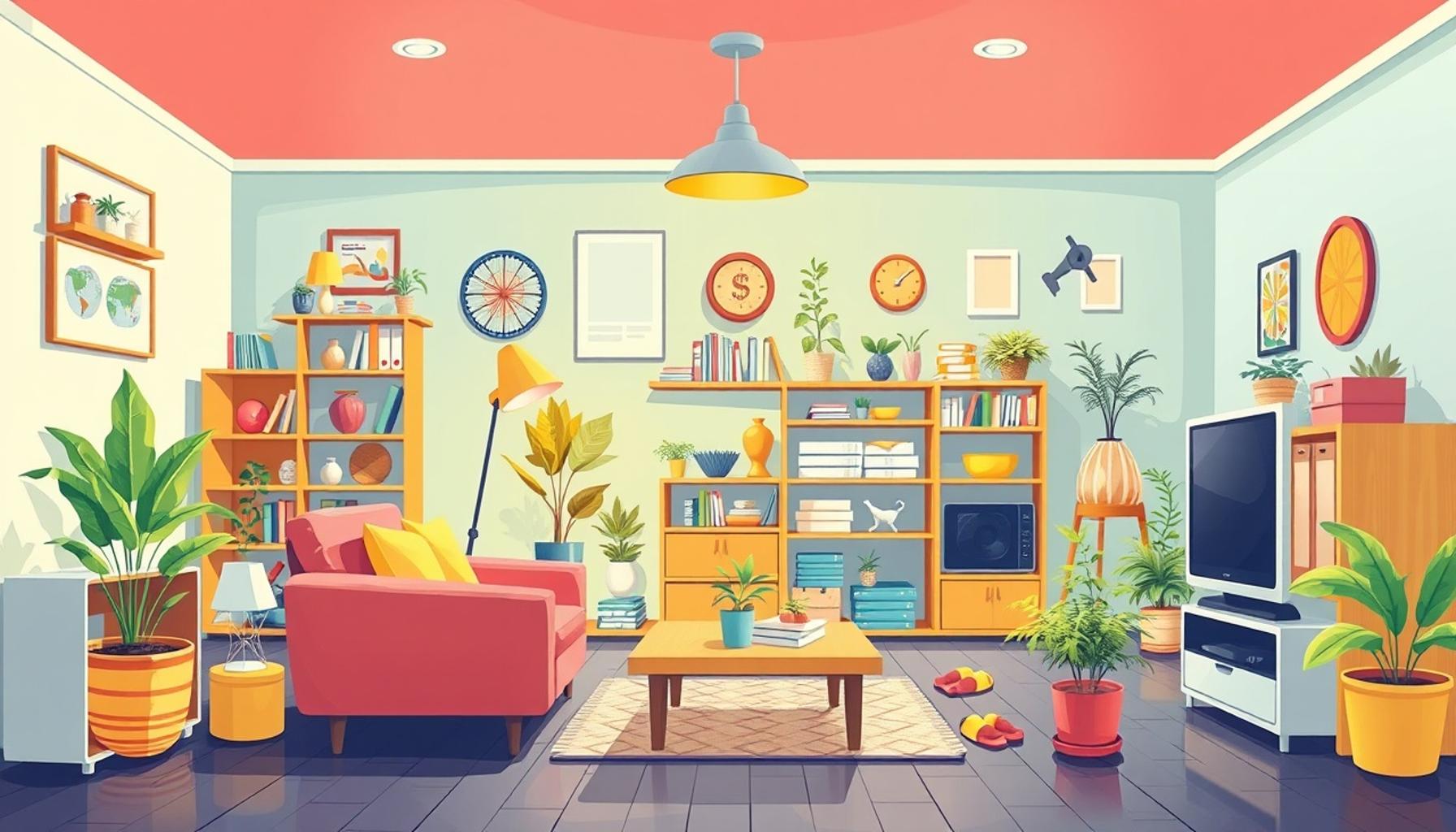
In today’s fast-paced world, embracing minimalism has become a transformative approach to improving personal well-being. As people seek solace amid the chaos of life, the minimalist philosophy not only advocates for simplicity in possessions but also emphasizes the importance of a tranquil environment. By consciously curating our living spaces, we gain valuable insights into how our surroundings influence our mental states and overall happiness.
Spatial efficiency plays a crucial role in this lifestyle shift. The very act of decluttering can provide significant psychological benefits, creating an atmosphere that enhances mental clarity and emotional well-being. Here are some noteworthy advantages:
- Reduced stress: A tidy environment can cultivate a sense of calm. Research has shown that individuals living in organized spaces report lower levels of anxiety and greater feelings of control over their lives.
- Improved focus: Clutter can be distracting. Studies indicate that a streamlined space leads to increased concentration and efficiency, allowing individuals to perform tasks with greater effectiveness.
- Enhanced creativity: Open and organized spaces foster innovation. By eliminating visual noise, minimalist environments provide the mental space needed for creative thinking, leading to fresh ideas and unique perspectives.
Scientific research underscores the notion that our environments significantly affect our emotional and behavioral states. Cluttered spaces often evoke anxiety, irritability, and feelings of being overwhelmed. In contrast, minimalism encourages a refreshing atmosphere that can lead to elevated moods and improved productivity.
Take a moment to observe the many ways minimalism manifests itself in everyday life. The rise of tiny homes—often no larger than 400 square feet—embodies this philosophy, prioritizing functionality and sustainability while minimizing excess. Social media platforms are replete with decluttering trends, such as the popular “KonMari Method,” which encourages individuals to keep only items that “spark joy.” From coast to coast, people in the United States are increasingly adopting minimalist principles not just for aesthetic appeal but also to enhance their mental health.
Diving deeper into the psychology of minimalism, we unveil how an organized space can lead to a more fulfilling, purpose-driven life. As we navigate this exploration, we will continue to uncover the intricate connections between minimalism and its profound impact on our overall well-being.
Ultimately, understanding the psychological foundations of minimalism equips us with the tools to create healthier environments. Whether through decluttering our homes or reevaluating our lifestyle choices, the pursuit of simplicity offers clarity amidst the noise of modern life. As the minimalist movement continues to gain momentum, embracing its principles can lead to a richer, more intentional way of living.
Understanding the Connection Between Space and Mind
The psychological impact of our environments cannot be underestimated, especially in an era where consumerism often dominates our lives. Minimalism as a lifestyle offers a counter-narrative, one that values mindfulness and intentionality over excess. At its core, the psychology of minimalism acknowledges that spatial efficiency directly influences personal well-being. It invites individuals to reflect on how their living arrangements shape not just their physical surroundings but also their internal landscapes.
Research indicates that the relationship between space and mental health is multifaceted. When individuals experience clutter, their ability to focus diminishes, which in turn heightens feelings of frustration. A study published in the Journal of Environmental Psychology suggests that people who live in orderly spaces exhibit clearer thought processes, leading to improved decision-making skills. This link between decluttering and mental clarity reflects the broader tenets of minimalist philosophy, where simplicity fosters a deeper connection with oneself and the environment.
To further illustrate the benefits of minimalism on psychological well-being, consider the following advantages:
- Enhanced emotional stability: Living in a clutter-free environment can lead to better emotional health. Individuals report feeling more grounded and positive when their surroundings are well-organized.
- Increased productivity: Minimalist spaces often promote efficient workflows. With fewer distractions, individuals can concentrate better, completing tasks faster and with greater satisfaction.
- Strengthened relationships: Simplifying one’s environment can pave the way for healthier social interactions. With less focus on material possessions, individuals may cultivate deeper, more meaningful connections with others.
In addition to these psychological benefits, minimalism encourages a deeper examination of personal values. By stripping away the non-essential, individuals are prompted to reflect on what truly matters to them, thereby fostering a sense of purpose. This introspective journey is vital in a world often defined by external pressures and societal expectations. Minimalism empowers individuals to sift through these influences, allowing them to curate a life that aligns more closely with their authentic selves.
Furthermore, the trend towards minimalism is evident beyond a mere lifestyle choice; it has become a cultural movement. Popular documentaries, books, and community initiatives continue to shine a spotlight on the mental health benefits of minimal living. In the United States, urban dwellers are particularly drawn to tiny homes, not just for their aesthetic appeal but also for their practical advantages. These homes exemplify the minimalist principle of ‘less is more’ and operate on the premise that our physical environment can dramatically alter our mindset.
As we delve deeper into the psychology of minimalism, we begin to unravel the ways in which a well-organized space cultivates a sense of belonging and fulfillment. By embracing minimalist practices, we unlock the potential for a more intentional life—one that prioritizes emotional well-being over material possessions. In this exploration, we will continue to dissect how these principles manifest in various aspects of daily life.
The Heart of Minimalism: Psychological Benefits
Minimalism, often reduced to mere aesthetics, embodies profound psychological implications that extend beyond visual appeal. By simplifying our environments, we open doors to enhanced mental clarity and emotional peace. Research suggests that as we reduce clutter and distractions, our minds become less overwhelmed, allowing us to focus on what truly matters. This spatial efficiency fosters a sense of control over our surroundings, which contributes to overall personal well-being and happiness.
Furthermore, adopting a minimalistic approach can significantly enhance our mindfulness. With fewer distractions vying for our attention, we can remain present in each moment. Engaging fully in activities can lead to a deeper appreciation of our experiences, bolstering our emotional health. Additionally, studies have demonstrated that individuals living in organized, decluttered spaces experience reduced stress levels, contributing to a more satisfying and healthy lifestyle.
The impact of minimalism on relationships is also noteworthy. As individuals prioritize meaningful connections over material possessions, they cultivate deeper, more authentic interactions with others. This shift in focus can lead to improved emotional support systems, which are integral to maintaining mental health.
| Psychological Aspect | Related Benefit |
|---|---|
| Reduced Stress | Less clutter leads to a clearer mind and decreased anxiety. |
| Enhanced Mindfulness | Fostering present-moment awareness improves emotional resilience. |
| Stronger Relationships | Prioritizing connections over possessions enhances emotional support. |
Understanding these psychological dimensions of minimalism invites individuals to reimagine their living spaces and lifestyle choices. As we delve deeper into this transformative philosophy, we uncover tools not only for a cleaner, more organized life but also for a healthier, happier state of mind.
The Transformative Power of Decluttering
Beyond emotional stability and productivity, minimalism cultivates an atmosphere that can significantly improve one’s mental health through the act of decluttering. The process itself becomes a form of therapy, one where individuals confront their attachments to material items and examine what those possessions represent in their lives. Psychological experts emphasize the therapeutic nature of decluttering, endorsing it as a method to break free from the shackles of emotional baggage. The physical act of organizing can often yield profound emotional clarity, allowing for renewed focus on more meaningful pursuits.
Engaging in decluttering routines can bring about a sense of accomplishment, which, in turn, enhances overall well-being. A 2020 survey conducted by the National Association of Professional Organizers found that 82% of respondents felt a significant mental lift following the completion of a decluttering project. Even small steps, like sorting through a drawer or organizing a closet, can create a ripple effect, propelling individuals towards larger goals in their lives.
Furthermore, minimalism fosters a mindful relationship with consumerism. In a culture that encourages frequent purchasing, minimalists often shift their focus towards sustainability and ethical consumption. This mindset creates a more conscious approach to buying, which not only alleviates feelings of buyer’s remorse but also nurtures greater satisfaction with fewer, well-chosen items. The resulting financial freedom—freeing oneself from excessive spending—further reduces anxiety and enhances a person’s overall well-being.
The Role of Spatial Design in Mental Clarity
The configuration of our physical space also plays a crucial role in enhancing mental clarity. Architectural concepts associated with minimalism stress the importance of light, space, and openness. Homes designed with high ceilings and large windows allow natural light to flood in, significantly affecting a person’s mood and productivity in a positive manner. Research from the University of Iowa highlighted a correlation between natural light exposure and lower levels of depression. The minimalist focus on maximizing natural light and space creates not just an aesthetically pleasing environment, but also one that cultivates emotional wellness.
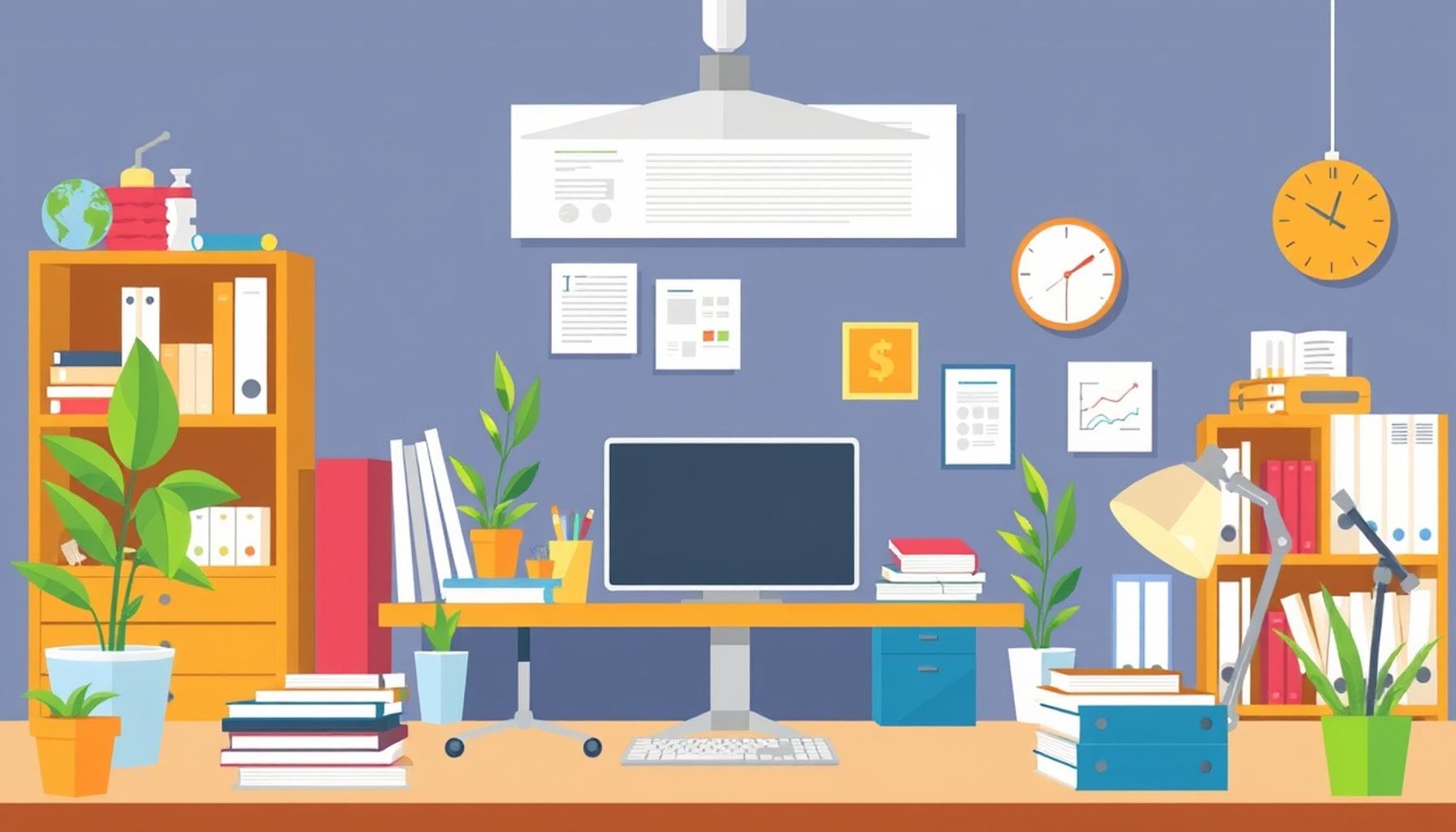
Moreover, the rise of remote work has sparked interest in designing home offices that reflect minimalist principles. An uncluttered workspace allows for better focus during work hours, promoting what psychologist Dr. Karen Pine refers to as “cognitive clarity.” With fewer distractions, employees can more easily dive deep into their work while maintaining a healthy work-life balance, a crucial component in today’s fast-paced world.
A further intriguing aspect of minimalism is its alignment with mindfulness practices, which are increasingly recognized for their mental health benefits. By encouraging individuals to be present and intentional in their environments, minimalism acts as a gateway to mindfulness. Implementing systems to maintain order, such as the well-known “one in, one out” rule, encourages individuals to reflect consciously on their possessions and prioritize what genuinely contributes to their happiness.
This integration of minimalism into daily rituals illustrates how spatial efficiency can manifest in various aspects of life, revealing a pathway to greater personal well-being.
Conclusion: Embracing Minimalism for Enhanced Well-Being
In summary, the journey into minimalism and spatial efficiency holds profound implications for personal well-being. As explored throughout this article, the practice of decluttering not only facilitates emotional clarity but also encourages individuals to reassess their relationship with material possessions. By fostering a mindful relationship with consumerism, minimalism empowers individuals to choose quality over quantity, delivering long-lasting satisfaction without the burden of excess.
Moreover, the configuration of physical spaces significantly contributes to mental clarity and emotional wellness. Natural light and open environments can dramatically improve mood and productivity, highlighting the importance of intentional design choices in our homes and workspaces. As remote work becomes increasingly prevalent, the integration of minimalist principles into home office design further contributes to cognitive clarity and a healthier work-life balance.
The psychological benefits of minimalism extend into the realm of mindfulness, encouraging individuals to remain present and deliberate within their environments. Practicing the “one in, one out” rule serves as an excellent reminder to prioritize what truly brings joy and meaning to one’s life. By adopting these principles, individuals are empowered to cultivate a lifestyle that not only enhances their mental health but also creates a more intentional framework for living.
Ultimately, embracing minimalism presents a compelling opportunity to transform how we interact with our spaces and possessions. By prioritizing spatial efficiency, we pave the way for greater personal well-being, allowing ourselves to focus on what genuinely enhances our lives. This shift could very well be the key to unlocking a more fulfilling and peaceful existence in a world that often feels overwhelming.
Related posts:
The Importance of Spatial Efficiency in Minimalist Living: Reducing Clutter and Increasing Mental Cl...
Multifunctional Furniture: Creative Solutions for Space Efficiency at Home
Multifunctional Furniture: Creative Solutions for a Minimalist and Organized Life
The Art of Letting Go: How Spatial Efficiency Contributes to a Sustainable Lifestyle
The Impact of Spatial Efficiency on Stress Reduction and Increased Productivity
Maximizing Small Spaces: Minimalist Organization Tips for Urban Apartments

Linda Carter is a writer and organization expert specializing in minimalism and personal organization. With extensive experience helping individuals create clutter-free, functional spaces and adopt mindful habits, Linda shares her knowledge on our platform. Her goal is to empower readers with practical advice and strategies to simplify their lives, stay organized, and achieve a sense of calm and balance in their daily routines.