
The Art of Saving: How Minimalism Can Reduce Monthly Expenses
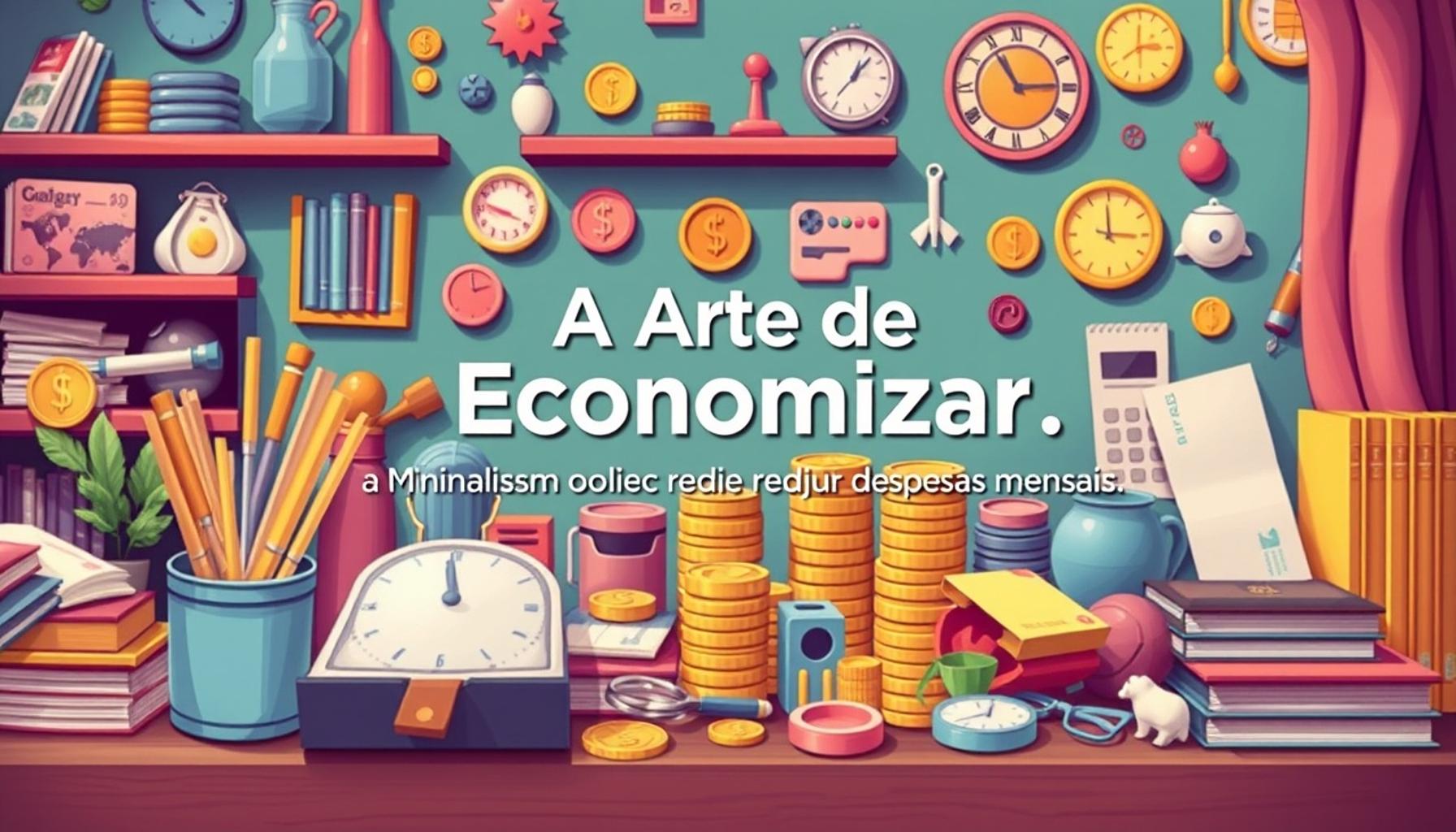
Exploring Minimalism and Its Financial Impact
As societal pressures to accumulate wealth and material possessions continue to mount, an increasing number of individuals have begun to embrace the philosophy of minimalism. This lifestyle shift serves as a refreshing counter to the prevailing culture of overconsumption and offers a unique approach to managing personal finances. By strategically simplifying one’s life, it becomes possible not only to achieve mental clarity but also to enhance financial wellness.
At the core of minimalism lies the principle of reduced spending. By prioritizing essential needs over impulsive desires, individuals can significantly trim their budgets. For example, instead of frequenting trendy cafés or indulging in the latest tech gadgets, a minimalist mindset encourages people to evaluate their spending habits critically and choose more cost-effective alternatives that still fulfill their core needs. This habit can lead to substantial savings over time.
Downsizing Living Spaces
Another significant financial benefit of minimalism is the potential for smaller living spaces. Many who adopt this lifestyle opt to downsize their homes, which can lead to lower rent or mortgage payments, as well as reduced utility costs. For instance, moving from a large apartment in a bustling city to a modest studio in the suburbs can result in significant monthly savings. Additionally, a smaller home often requires less energy to heat or cool, further enhancing its cost-effectiveness.
Assessing Subscriptions
As distractions and options multiply in the digital age, maintaining numerous subscriptions has become a common financial pitfall. A minimalist perspective encourages individuals to take stock of their streamlined subscriptions and determine which services truly add value to their lives. For many, this could mean canceling unnecessary streaming services, gym memberships, or magazine subscriptions that have become unused over time. The act of reassessing expenditures can lead to a more focused budget and significant savings.
Cooking with Simplicity
Minimalism can also transform the way one approaches meal preparation. By adopting a simplified meals philosophy, individuals can cut down on grocery expenses through smart meal planning that focuses on fewer ingredients and waste reduction. For instance, cooking in bulk or selecting versatile ingredients that can be used in multiple dishes not only saves money but also promotes healthier eating habits. Meal prep workshops and cookbooks emphasizing minimal ingredient lists have gained popularity as tools for those looking to cut culinary costs.

Maintenance Savings
Finally, an essential component of minimalism is reducing the number of possessions owned, which directly correlates to less maintenance and upkeep. The fewer items you own, the lesser the chances of incurring expenses related to repairs or replacements. Imagine a garage filled with tools and bikes slowly gathering dust; each unutilized item represents money spent with dwindling returns. By consciously choosing to keep only what adds value to life, individuals can avoid these unnecessary costs.
Ultimately, the trend of minimalism offers a promising avenue toward achieving financial freedom. As more people in the United States explore the benefits of a simpler lifestyle, the nexus between minimalism and financial health becomes increasingly evident. By focusing on essential needs and making conscious spending decisions, one may find that a fulfilling life filled with richness can exist alongside a healthier bank account. Are you intrigued by how minimalism can reshape your financial landscape? It may just lead you toward both fiscal responsibility and greater personal satisfaction.
The Financial Wisdom of Minimalism
The modern consumer landscape has furnished individuals with countless choices, often leading to overwhelming expenses. This avalanche of options can mask the simple, yet profound, principle of minimalism. By embracing a minimalist lifestyle, many have found a pathway not only to declutter their homes but also to liberate themselves from financial burdens. Understanding the financial wisdom behind minimalism can be transformative, offering ways to lower monthly expenses effectively.
Streamlining Lifestyle Choices
A central tenant of minimalism is the act of streamlining lifestyle choices. In a consumer-driven society, individuals are inundated with advertisements and promotions pushing them toward excessive purchases. Minimalism teaches the importance of evaluating what truly adds value to one’s life. For example, a recent survey revealed that the average American household subscribes to over 11 services, ranging from streaming platforms to subscription boxes. This data indicates that reassessing those purchases—whether it’s unused gym memberships or redundant streaming services—can result in substantial savings.
Practical Strategies for Reducing Expenses
Adopting minimalism doesn’t simply involve reducing the number of items one owns; it also encompasses practical strategies that can lead to significant financial benefits. Here are some actionable steps that individuals can consider:
- Creating a budget: Establishing a clear budget that highlights essential versus non-essential expenses can clarify spending habits and reveal opportunities for savings.
- Embracing DIY: For personal projects or home improvements, tackling tasks yourself can significantly cut down on labor costs associated with hiring professionals.
- Choosing quality over quantity: Investing in fewer, high-quality items rather than numerous cheaper alternatives can save money in the long run, as these items often last longer and require less frequent replacement.
- Shopping secondhand: Minimizing shopping habits by exploring thrift stores, consignment shops, or online marketplaces can provide access to valuable items at a fraction of their retail prices.
Automating Savings
In an age where technology seamlessly integrates into daily life, automating savings is another minimalist practice that can substantially impact financial health. By setting up automatic transfers to savings or retirement accounts, individuals can prioritize saving before spending. This practice not only encourages a habit of saving but also minimizes the temptation to overspend since fewer funds are available for discretionary purchases.
Ultimately, minimalism does not merely signify a scarcity mindset; instead, it promotes intentional living and financial health. By prioritizing essential needs and making thoughtful decisions about spending, individuals may find themselves experiencing a lighter weight on their finances, along with newfound clarity and peace of mind. As more Americans seek ways to cultivate conscious consumerism, the intersection of minimalism and personal finance becomes a relevant discussion worth exploring. How might your life—and budget—change by implementing these minimalist strategies?
The Art of Saving: How Minimalism Can Reduce Monthly Expenses
Embracing minimalism as a lifestyle not only transforms one’s physical space but also initiates significant financial savings, which can be both liberating and rewarding. By intentionally choosing to declutter possessions and prioritize only what truly adds value, individuals can directly influence their monthly expenditures.
For many, the journey to financial freedom begins with scrutinizing unnecessary subscriptions and recurring costs. Streamlining services such as cable, streaming platforms, and other memberships can lead to substantial savings. Minimally, consider eliminating features or services that have become more of a habit than a necessity.
Another essential aspect of minimalism is the shift in purchasing behavior. When consumers prioritize quality over quantity, they invest in fewer, more durable items, which over time means they spend less on replacements and repairs. This principle extends to avoiding impulse purchases and opting for essentials only, aligning directly with the minimalist philosophy.
Furthermore, minimalism encourages the practice of mindful spending. By analyzing one’s spending patterns, individuals can identify areas where they tend to overspend. Creating a budget that aligns with minimalist values not only enhances financial awareness but also fosters a more intentional approach to consumption.
| Category | Benefits |
|---|---|
| Reducing Subscriptions | Streamlining services leads to noticeable monthly savings. |
| Mindful Spending | An increased awareness of financial habits results in controlled expenditure. |
Transitioning to a minimalist lifestyle not only helps reduce clutter within the home but also connects individuals to the art of saving. By fostering a holistic understanding of consumption and fostering intentional choices, anyone can harness the power of minimalism to create a more sustainable, financially sound future.
The Impact of Minimalism on Consumer Behavior
As the principles of minimalism continue to gain traction, their effect on consumer behavior becomes increasingly apparent. Embracing a minimalist lifestyle fosters a shift in priorities, encouraging individuals to reconsider their needs and wants. A growing body of research demonstrates that when consumers adopt this mindset, they tend to engage in more thoughtful purchasing decisions, which can directly benefit their financial situation.
Mindful Consumption and Financial Wellness
Minimalism fosters a sense of mindful consumption, where individuals focus on purchases that genuinely enhance their quality of life. According to a recent study by the Journal of Consumer Research, consumers who adopt minimalism report higher satisfaction and emotional well-being, often leading to lower spending. By prioritizing emotional fulfillment over material possessions, individuals can directly combat impulsive buying behaviors that often inflate monthly expenses.
This change in mindset encourages consumers to critically evaluate their purchases. For instance, instead of acquiring the latest gadget, they may invest in experiences—such as travel or hobbies—that bring long-lasting joy. Researchers found that experiences contribute more significantly to happiness than tangible products, a realization that can motivate individuals to redirect their financial resources away from unnecessary spending.
Identifying Hidden Costs
Another advantage of minimalism is its focus on identifying and minimizing hidden costs. Many monthly expenses are not immediately apparent, such as maintenance fees, subscription renewals, or excess utility charges linked to clutter. A minimalist approach allows individuals to scrutinize their bills with a keen eye, revealing opportunities for trimming expenses.
- Cancel Unused Subscriptions: Evaluate all subscription services and cancel those that are rarely used. A recent survey revealed that U.S. consumers waste an average of $240 annually on unused subscriptions.
- Reduce Utility Costs: A minimalist lifestyle may lead to a reduction in energy consumption, as fewer gadgets equate to lower utility bills. Simple changes, like unplugging devices when not in use, can have a tangible impact.
Minimalism and Sustainable Living
The connection between minimalism and sustainable living is another beneficial aspect that can lead to cost savings. With a growing emphasis on eco-conscious choices, many minimalists choose to prioritize sustainable products that tend to be higher in quality and longevity. A recent study estimates that purchasing sustainable goods might save consumers up to $1,200 per year in long-term costs associated with disposables and fast fashion. This not only aligns with minimalist values but actively contributes to a healthier planet.
Additionally, minimalism encourages practices like reducing waste and embracing second-hand shopping, further reducing expenses while promoting sustainable habits. Thrift stores and second-hand platforms provide high-value items at lower costs, enabling consumers to save while simultaneously supporting a circular economy.
By integrating minimalism into personal finance, individuals can uncover a wealth of opportunities to conserve both resources and money. Through a consolidation of expenses, encouragement of mindful purchasing, and embracing sustainable practices, the impact of minimalism extends well beyond physical possessions, providing deeper financial benefits that resonate throughout one’s lifestyle.
Embracing Minimalism for Financial Freedom
In conclusion, the art of saving through minimalism presents a transformative approach to managing monthly expenses. By reducing clutter and honing in on mindful consumption, individuals can significantly lower their financial outgoings while enhancing their overall quality of life. The shift in consumer behavior towards prioritizing experiences over material goods not only fosters emotional well-being but also translates into tangible savings.
Furthermore, this lifestyle encourages the identification of hidden costs, prompting consumers to evaluate their subscriptions and utility bills with a critical eye. For many, the experience of embracing minimalism leads to a more sustainable way of living—investing in quality over quantity, thereby slashing future costs associated with disposable goods and fast fashion.
Adopting a minimalist mindset is more than a personal choice; it is a financial strategy that encourages individuals to redirect their resources towards what truly matters. This approach not only holds the potential to save an average of $1,200 annually through prudent spending but also cultivates a lifestyle that is aligned with environmental sustainability.
As more individuals explore the art of saving via minimalism, they discover that the path to financial freedom may be paved with less. The journey encourages a balance between consumption and conservation, ultimately leading to a more fulfilling and financially sound existence. Whether it’s through canceling unused subscriptions or seeking out sustainable alternatives, the choices made today can propel one towards a future of lasting financial wellness.
Related posts:
Minimalism in Purchasing Durable Goods: Strategies for Investing in Quality and Reducing Long-Term C...
The relationship between minimalism and financial sustainability: Saving consciously and responsibly
How Minimalism Can Boost Your Financial Savings: Practical Tips for Simplifying Expenses
Investing in Simplicity: How Minimalism Can Increase Your Long-Term Wealth
Minimalism and the Art of Living with Less: How Simplicity Can Transform Your Personal Finances
The impact of minimalism on consumer mindset: How rethinking your spending can lead to significant s...

Linda Carter is a writer and organization expert specializing in minimalism and personal organization. With extensive experience helping individuals create clutter-free, functional spaces and adopt mindful habits, Linda shares her knowledge on our platform. Her goal is to empower readers with practical advice and strategies to simplify their lives, stay organized, and achieve a sense of calm and balance in their daily routines.