The Art of Letting Go: How Minimalism Can Reduce Stress in Your Daily Life

The Burden of Clutter
In our modern society, the relentless pace of life often compounds our stress levels, leading many to feel overwhelmed by numerous responsibilities. Whether we are professionals navigating demanding jobs, parents balancing family commitments, or individuals striving to maintain a semblance of social life, the weight of physical and mental clutter can significantly impact our overall well-being. Clutter does not merely occupy space; it can cloud our minds and impede our ability to think clearly and make decisions effectively.
Understanding Minimalism
Minimalism is not just about living with fewer possessions; it’s a holistic lifestyle choice that challenges us to discern what truly matters. By letting go of the unnecessary, we create room for more meaningful experiences and deeper connections with others. Imagine walking into a tidy room with only essentials: a few select items that evoke joy or memories, rather than a sea of objects that serve little purpose. This practice is echoed in numerous studies that suggest a correlation between a tidier living environment and improved mental health.
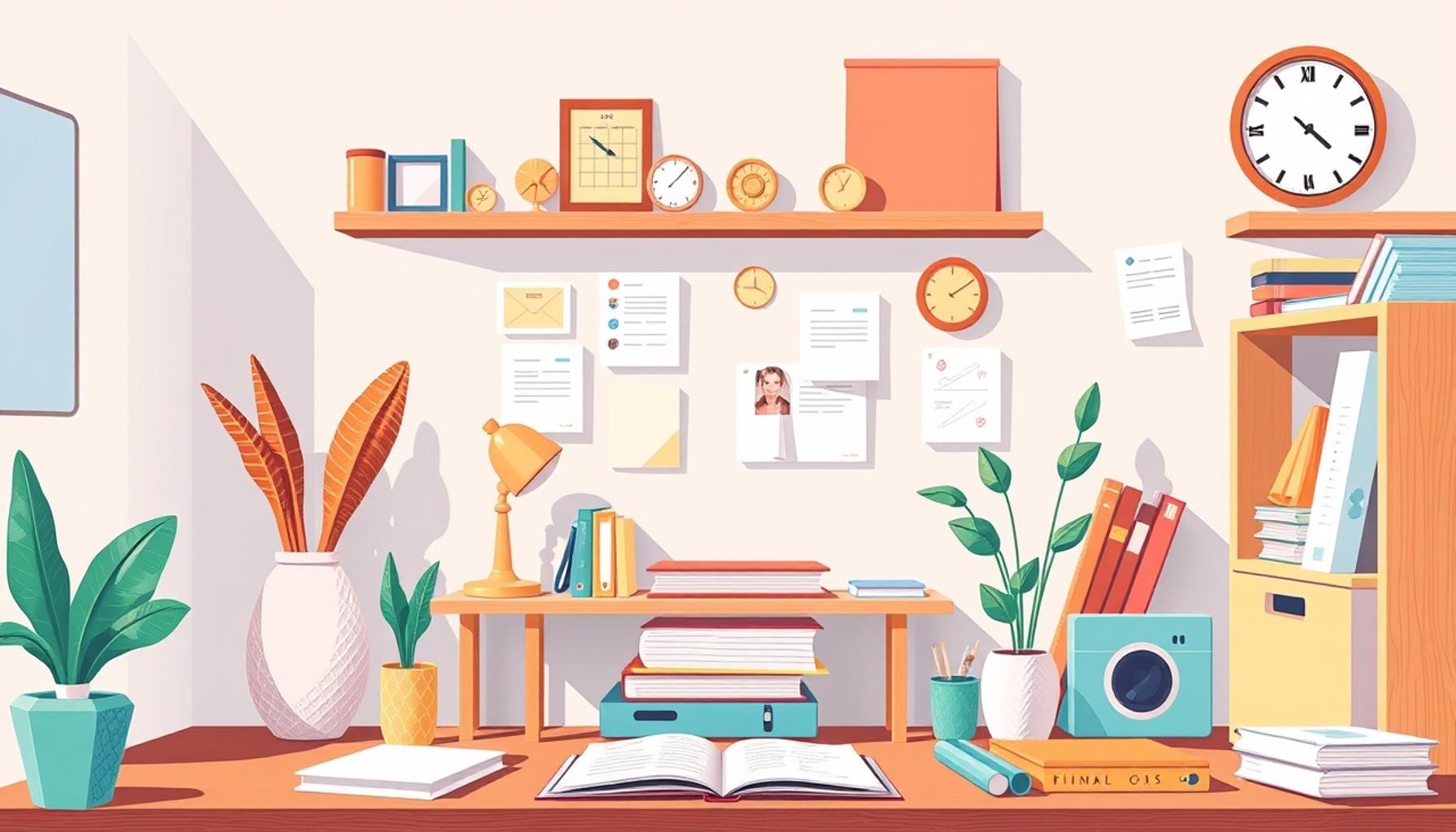
Decluttering Your Space
When we speak of decluttering, we often refer to physical spaces—our homes, offices, and even digital environments. Research has shown that physical mess can lead to mental chaos, making it harder to focus and increasing feelings of anxiety. For example, an overwhelming number of unread emails can create a sense of dread, while a disorganized room can make it difficult to concentrate on tasks. Simple strategies like the “one in, one out” rule, where you donate or discard an item for every new one you bring in, can simplify the process. This method not only reduces clutter but encourages thoughtful ownership of our belongings.
Moving Beyond Materialism
Another core principle of minimalism is prioritizing experiences over things. A growing number of Americans are recognizing the value of creating memories rather than accumulating possessions. Studies indicate that experiences, such as traveling with loved ones or participating in community events, tend to bring more lasting satisfaction than material goods. For instance, a family vacation may foster bonds and create shared stories that enrich relationships far beyond the fleeting joy of acquiring the latest gadget.
Simplifying Your Lifestyle
Implementing a simpler lifestyle can lead to enhanced happiness and reduced stress. Many minimalists advocate the idea that less can indeed mean more. By simplifying our commitments—be it fewer social engagements or streamlined work processes—we free up time to focus on what really matters. Imagine dedicating your evenings to hobbies, reading, or simply enjoying quiet time instead of being bogged down by a packed calendar filled with obligatory events. This intentional choice fosters creativity and personal growth.
The Psychological Benefits
As a society increasingly focused on seeking mental well-being, understanding the minimalist lifestyle’s psychological benefits becomes crucial. Research indicates that decluttering not only reduces daily stress levels but can also improve focus, productivity, and emotional balance. Embracing minimalism invites us to pause, breathe deeply, and consciously re-evaluate our relationships with our possessions, commitments, and time.
In conclusion, exploring the art of letting go can transform not only your living space but also your overall quality of life. As you embark on this journey towards minimalism, consider how each decision aligns with your values and contributes to your peace of mind. By sharing this philosophy, you may not only inspire yourself but also those around you to seek a more meaningful and balanced life.
Embracing Change through Decluttering
Embracing the minimalist lifestyle begins with the art of letting go, a concept that can seem daunting at first. After all, our possessions often carry sentimental value or memories that we are reluctant to release. However, understanding the profound impact of decluttering on our mental health can motivate us to make necessary changes. The process of letting go is as much about recognizing what we truly need as it is about parting with what no longer serves us.
Assessing Your Clutter
When embarking on your decluttering journey, it’s essential to assess different categories of clutter, both physical and emotional. Begin by examining:
- Clothes: Do you have a wardrobe filled with outfits you haven’t worn in years? Consider donating these items to create space and aid others in need.
- Household items: From kitchen gadgets to dusty decor, evaluate what you actively use versus what simply takes up space.
- Digital clutter: Unsubscribe from unnecessary emails, delete old files, and organize your devices to improve your digital workspace.
- Emotional baggage: Reflect on relationships or commitments that may no longer foster positivity in your life.
The Power of a Tidy Space
Numerous studies have highlighted the link between a clutter-free environment and reduced stress levels. A study conducted by the Institute for the Psychology of Eating revealed that clutter can distract individuals, impair focus, and elevate feelings of anxiety. When our surroundings are chaotic, it mirrors the tumult within our minds. On the other hand, decluttering can instill a sense of control and accomplishment. Imagine returning to a serene space where each item has meaning, supporting a peaceful daily routine.
Mindfulness and Minimalism
Incorporating mindfulness practices into your minimalist journey can significantly enhance its benefits. Mindfulness encourages living in the moment and appreciating what you have rather than fixating on what is missing. By focusing on gratitude, you can shift your perspective and become more aware of your consumption patterns. Keeping a gratitude journal can help reinforce this mindset, prompting you to reflect on the things you cherish most, ultimately aiding in the decluttering process.
From Materialism to Meaning
The transition from a materialistic mindset to one that values meaningful experiences can be liberating. As we begin to associate less with more, we thrive not on possessions but on genuine connections and shared adventures. This shift fosters enhanced emotional well-being and ensures that our daily lives are enriched by experiences that contribute positively to our mental state.
As we continue exploring the art of letting go and embracing minimalism, it becomes evident that the journey is not just about decluttering physical space but rather cultivating a lifestyle that prioritizes our mental health. In an age where distractions abound, taking the steps toward minimalism can be a profound act of self-care.
| Advantages of Minimalism | Impact on Stress Reduction |
|---|---|
| Simplified Living Space | Leads to a calmer environment, minimizing distractions. |
| Increased Focus | Enhances productivity by allowing better concentration on important tasks. |
| Reduced Decision Fatigue | Frees mental energy, making daily choices less overwhelming. |
| Financial Savings | Encourages mindful purchases, leading to less financial stress. |
Minimalism, as explored in “The Art of Letting Go,” isn’t merely about decluttering physical spaces; it extends into how we engage with our daily lives and choices. The notion that reducing excess can lead to a more peaceful existence is profoundly compelling. As one embraces a minimalist approach, the clutter surrounding them dissipates, and with it, the weight of stress that accumulates from material possessions often diminishes as well.By cultivating a simplified living space, individuals may find breathing room in their environments—which, in turn, can inspire a shift in mental clarity and emotional stability. The relationship between physical surroundings and mental health is a focal point worth investigating further. The core idea is that by focusing on what truly matters, one is able to sidestep the chaos that often breeds anxiety. As you reflect on these advantages, consider how minimalism could be a transformative practice in your life, opening pathways to greater peace and simplicity.
The Relationship Between Minimalism and Mental Clarity
A minimalist approach is not merely about paring down belongings; it offers a lifestyle that fosters mental clarity and a sense of purpose. As we navigate our daily lives, the overload of choices and responsibilities can create a foggy mental state. However, adopting minimalism clarifies priorities, enabling us to focus on what truly matters. A 2019 study published in the journal Psychology of Popular Media found that individuals who embraced minimalism reported a higher sense of well-being and satisfaction. By decluttering both our environments and our minds, we can improve focus and bolster productivity, making it easier to tackle daily challenges.
Fostering Connection Through Simplicity
Once the physical and emotional clutter begins to dissipate, individuals often find a renewed appreciation for authentic connections. Minimalism promotes quality over quantity in every aspect of life, from relationships to social engagements. Instead of spreading oneself thin by juggling many friendships or commitments, embracing minimalism encourages deepening a few meaningful relationships. According to research by the American Psychological Association, strong social ties can lead to improved mental health and emotional resilience. When distractions fade away, one can focus on nurturing connections with family and friends, enhancing emotional well-being and reducing feelings of isolation.
Honing Intentional Living
Intentional living is at the heart of a minimalist lifestyle. It challenges us to assess every purchase, every commitment, and every moment spent on trivial matters—including time spent scrolling through social media. A report from Pew Research Center indicates that adults in the U.S. spend an average of over seven hours a day on screen. This excessive engagement can lead to heightened anxiety and a disconnection from real life. By adopting minimalism and setting intentional boundaries on technology use, individuals can reclaim that time, redirecting it toward more fulfilling activities such as hobbies, exercise, or even just quiet reflection.
Embracing the Present: Reducing Anxiety
Minimalism lends itself beautifully to the practice of mindfulness, an essential tool for anxiety reduction. When physical possessions demand less of our attention and mental space is uncluttered, we become more present in our daily lives. Engaging fully in conversations, savoring meals, or simply enjoying nature becomes more accessible. A study conducted by the University of Massachusetts revealed that mindfulness meditation can significantly reduce anxiety levels, leading to improved psychological health. By embracing a minimalist mindset paired with mindfulness techniques, individuals can cultivate an environment that fosters tranquility and contentment.
The Transformative Nature of Letting Go
In the U.S., the typical household has an average of 300,000 items. The overwhelming nature of managing such a volume can contribute to stress. The act of letting go not only alleviates the burden of ownership but also symbolizes personal growth and transformation. As we recognize that our self-worth is not defined by our possessions, we unlock profound freedom. This change of mindset encourages individuals to seek fulfillment through experiences and relationships rather than material accumulation.
Ultimately, minimalism isn’t just a lifestyle choice; it’s a profound embrace of the art of letting go. Through the simplicity it champions, we can discover deeper meanings in life, reducing daily stress and cultivating a profound sense of peace.
Conclusion: Embracing Minimalism for a Stress-Free Life
In a world saturated with consumption and endless commitments, the art of letting go through minimalism offers a refreshing antidote to daily stressors. By simplifying our surroundings and prioritizing mental clarity, we cultivate an intentional lifestyle that invites peace and well-being into our lives. The transformative power of minimalism empowers individuals to release the burden of excessive possessions and focus on what genuinely matters—be it personal relationships, meaningful experiences, or self-growth.
As we embrace this philosophy, research indicates that we can significantly improve our mental health, enhance emotional connections, and foster mindfulness—valuable tools for combating anxiety. The stunning reality is that when we let go of the notion that our worth is tied to material possessions, we can redirect our energy toward fostering authentic relationships and participating in enriching activities that add value to our lives.
Moreover, in an age where technology and distractions abound, minimalism serves as a call to reclaim our time and attention. By adopting intentional living habits, we can diminish the mental clutter that hinders our happiness and replace it with a focus on simplicity and presence. The journey toward minimalism may be a gradual process, but it is undoubtedly a worthwhile endeavor that leads to increased tranquility and satisfaction.
Ultimately, the art of letting go is not merely about decluttering; it is an invitation to engage deeply with life itself. Whether you begin with small steps or dive headfirst into a minimalist lifestyle, each act of letting go brings you one step closer to a stress-free, fulfilling life.
Related posts:
The Philosophy of Less: How Minimalism Can Transform Your Perspective on Stress and Happiness
Less is More: Minimalist Strategies for Managing Stress and Increasing Productivity
Minimalist Organization: Creating Serene Spaces for a Calm Mind
Disconnecting from Excess: How Digital Minimalism Can Alleviate Anxiety
Minimalist Daily Rituals: Practices to Cultivate Calm and Mental Clarity
Digital Minimalism: How to Reduce Stress by Simplifying Your Online Life

Linda Carter is a writer and organization expert specializing in minimalism and personal organization. With extensive experience helping individuals create clutter-free, functional spaces and adopt mindful habits, Linda shares her knowledge on our platform. Her goal is to empower readers with practical advice and strategies to simplify their lives, stay organized, and achieve a sense of calm and balance in their daily routines.