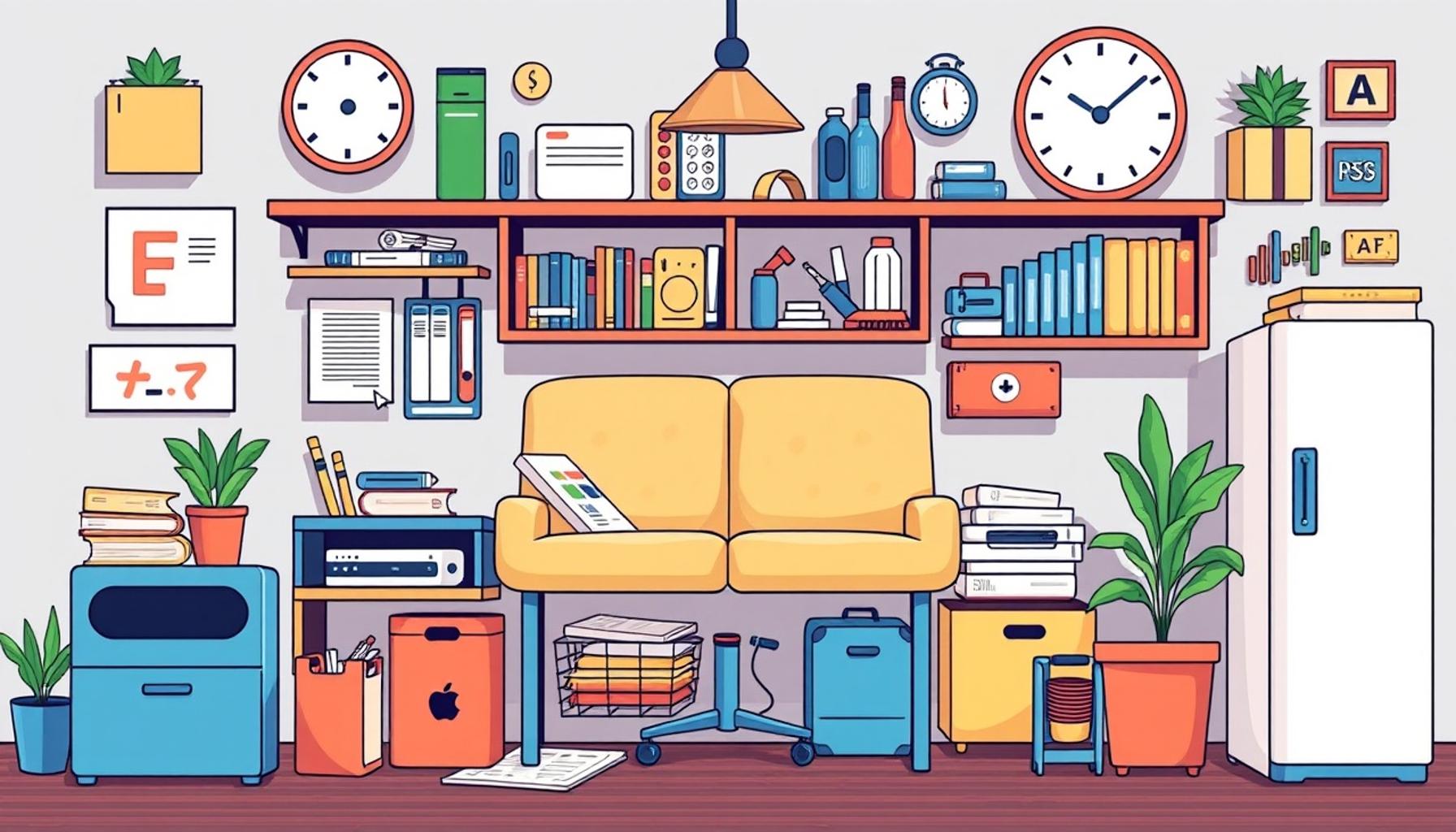
Minimalist Workspaces: Creating Functional Environments in Compact Locations
Exploring Minimalist Workspaces
In an era dominated by rapid technological advancements and an ever-increasing demand for efficiency, the concept of minimalist workspaces has surfaced as an essential design philosophy. The trend is particularly relevant to urban environments, where living and working spaces are often limited in size. Individuals from various professional backgrounds are finding that crafting a workspace centered around simplicity not only enhances productivity but also maintains an appealing aesthetic.
Minimalist workspaces focus on the essentials, promoting a clean and organized atmosphere. Here are some key features that define them:
- Decluttered Surfaces: These spaces advocate for the removal of excess items, creating an open and inviting area. For instance, a desk only adorned with a laptop, a notebook, and a pen fosters a sense of clarity and purpose, preventing the cognitive overload that often accompanies clutter.
- Multi-Functional Furniture: The use of versatile pieces is a hallmark of minimalist design. A popular choice might be a desk that doubles as a conference table, accommodating both singular focused tasks and collaborative ones. This maximizes utility and minimizes wasted space.
- Strategic Organization: Vertical storage solutions, such as wall-mounted shelves or pegboards, play a crucial role in preserving floor space. These systems not only keep necessary items easily accessible but also maintain the aesthetic of a neat workspace.
This minimalist design strategy is adaptable across various environments, whether in a cozy home office, a compact corporate cubicle, or a dynamic shared working area. Here are some benefits of integrating minimalism into one’s professional setting:
- Enhanced Focus: A tidy environment directly contributes to reduced distractions. By minimizing visual clutter, individuals can concentrate better on their tasks, leading to increased productivity and efficiency.
- Increased Creativity: A streamlined workspace potentially stimulates innovative thinking. With fewer distractions competing for one’s attention, the mind is freer to explore new ideas and solutions.
- Improved Well-being: The tranquility of a minimalist space can significantly reduce stress levels. Many workers report feeling more relaxed and content when surrounded by a serene environment, which can subsequently enhance overall job satisfaction.
As we further examine the landscape of minimalist workspaces, it becomes clear that effective design can transform even the most modest of settings into motivating and functional zones. Imagining your workspace as an extension of your personal and professional goals can lead to profound changes in how you approach tasks each day. Embrace simplicity; it might just unlock your hidden potential.
Characteristics of Effective Minimalist Workspaces
When discussing minimalist workspaces, it is essential to delve deeper into the components that make them successful. These spaces are not solely about reducing the number of items present; they embody a philosophy that prioritizes functionality and aesthetics in a harmonious manner. To achieve this, consider the following critical aspects:
- Color Palette: The colors chosen for a workspace can significantly affect mood and productivity. Neutral tones, such as whites, grays, and beiges, create an air of calm and focus. A few strategically placed accent colors can introduce vibrancy without overwhelming the senses. For example, a single vibrant piece of art or a plant can inject energy into an otherwise subdued area.
- Natural Light: A workspace flooded with natural light fosters a connection with the outdoors, which can enhance overall well-being. Arranging your desk to take advantage of window views not only brightens the environment but also supports mental clarity. If you are confined to a smaller area, consider using light-colored curtains to maximize brightness.
- Personal Touch: Adding elements that reflect quality personal interests or values can enhance motivation. While minimalism advocates for keeping items to a minimum, including a few carefully curated personal pieces, like photographs or awards, can create a sense of belonging and inspiration.
With numerous advantages associated with minimalism, it is no surprise that many individuals and organizations are embracing this design ethos. A well-executed minimalist workspace can lead to notable improvements in daily operations. Consider these benefits:
- Adaptability: Minimalist workspaces can be tailored to meet varying needs. Whether one is working from home or in a crowded co-working space, the principles of minimalism enable quick adjustments. This flexibility often proves crucial in hyper-competitive environments where adaptability is key.
- Cost-Effectiveness: Investing in high-quality, multifunctional furniture may be more economical in the long run than consistently buying additional items. Minimalist design encourages selecting fewer but more durable pieces that can stand the test of time. Movers and designers alike can attest that this approach saves both space and money.
- Simplified Maintenance: A minimalist workspace is inherently easier to clean and maintain. With fewer items to manage, organization becomes straightforward, allowing individuals to maximize their efficiency without the burden of constant upkeep.
In the quest for a well-designed workspace, understanding these characteristics is crucial. Embracing the minimalist philosophy can lead to highly productive environments that inspire motivation and creativity. By making conscious choices about the tools and décor utilized in professional spaces, both individuals and companies can transform compact locations into thriving hubs of innovation.
| Feature | Impact on Productivity |
|---|---|
| Decluttered Spaces | Promotes focus by minimizing distractions. |
| Multi-functional Furniture | Enhances usability, allowing for diverse tasks in one area. |
Embracing the minimalist workspace concept is not merely about aesthetics, but also profoundly influencing productivity in compact areas. For instance, decluttered spaces are essential for fostering a productive environment; by eliminating unnecessary items, individuals can center their attention on current tasks, leading to enhanced focus and efficiency. This reduction in visual noise is crucial as it empowers users to engage deeply with their work, which is particularly advantageous in smaller settings.Moreover, multi-functional furniture plays a pivotal role—by investing in items that serve multiple purposes, one can maximize utility without sacrificing space. Such furniture allows for different activities to be accomplished in the same area, making it easier to shift from one task to another seamlessly. This adaptability can significantly boost efficiency, allowing one to navigate through their responsibilities with ease, even within the confines of compact locations. Understanding these elements can inspire individuals to create a workspace that is not only functional but also conducive to optimal performance.
Strategies for Designing a Minimalist Workspace
Designing a minimalist workspace requires thoughtful planning and execution. A few effective strategies can help individuals and organizations create an environment that is not only functional but also conducive to creativity and productivity. Here are some essential techniques to consider:
- Declutter Regularly: One of the core tenets of minimalism is the practice of decluttering. Schedule regular intervals to assess your workspace, removing items that are no longer needed or that do not serve a purpose. This process fosters a clean environment, allowing your mind to focus on the most pressing tasks at hand.
- Smart Furniture Choices: Opt for multifunctional furniture that serves more than one purpose. For example, a desk with built-in storage can minimize the need for additional units while keeping essential items within reach. Consider a foldable desk or a wall-mounted table, which can save space and adapt to various working conditions.
- Zoning Your Space: Designate specific areas within your workspace for different tasks. This segmentation can boost productivity by creating a structured environment. For instance, a cozy reading nook with a chair and small bookshelf can provide a separate area for brainstorming or research, while a more open space is designated for computer work.
In addition to these strategies, the importance of technology in minimalist workspaces cannot be overlooked. Technology should complement the design rather than disrupt it. Here’s how to incorporate tech while maintaining a minimalist aesthetic:
- Embrace Wireless Technology: Utilize wireless devices, such as keyboards, mice, and printers, to reduce clutter from cords and wires. This not only streamlines the look of your workspace but also facilitates easy rearrangement of your layout when needed.
- Use Digital Solutions: Turn to technology for organizational tasks. Applications for productivity, scheduling, and project management can help minimize physical paperwork and supplies needed. Tools such as Trello or Asana allow for effective task management while keeping the workspace clean.
- Invest in High-Quality Displays: For remote workers or those in creative fields, a large, high-quality monitor can replace multiple smaller screens or even paper documents. This technological upgrade not only enhances productivity but also adheres to minimalist principles by reducing the number of physical items in your workspace.
Real-world examples demonstrate the positive impact of minimalist workspaces. Companies like Google have adopted open, uncluttered designs that encourage collaboration while allowing employees to personalize their areas minimally. Similarly, startups in the tech industry have recognized that minimalist environments can be conducive to innovation, pushing for designs that prioritize efficiency and ease of movement.
As the gig economy continues to rise, a well-planned minimalist workspace can be a powerful asset for freelancers and remote workers. These compact locations provide a unique opportunity to create tailored environments that inspire productivity, regardless of the size of the space. By thoughtfully implementing minimalist practices, anyone can foster a workspace that balances functionality with aesthetic appeal, ensuring the best possible output from every work session.
Conclusion
In an age where rapid technological advancements and evolving workstyles redefine how we approach productivity, the concept of minimalist workspaces has emerged as a transformative solution. By embracing the principles of minimalism, individuals and organizations can create functional environments that thrive in compact locations. These spaces are designed with intention, emphasizing clarity and focus while eliminating distractions that can impede performance.
The strategies discussed, such as regular decluttering, smart furniture choices, and effective zoning, provide foundational steps to crafting an inspiring workspace. Moreover, the integration of modern technology plays a pivotal role. Wireless devices and digital management tools not only streamline processes but also contribute to the overall aesthetic and functionality of minimalist designs.
As more professionals shift to remote work or freelancing, the benefits of minimalist workspaces become increasingly significant. By tailoring their environments to prioritize productivity while minimizing visual clutter, individuals can enhance creativity and overall job satisfaction. Companies like Google and various tech startups lead the way, demonstrating how simplicity fosters collaboration and innovation.
Ultimately, whether you’re a remote worker, freelancer, or part of a larger organization, adopting a minimalist approach to your workspace can result in a more effective and enjoyable working experience. It encourages a lifestyle that puts emphasis on quality over quantity, urging us to question what we truly need to thrive. By exploring these practices, readers can take meaningful steps toward cultivating their own minimalist workspaces, setting the stage for success amid the demands of modern work life.
Related posts:
The Impact of Spatial Efficiency on Stress Reduction and Increased Productivity
Compact Workspaces: Minimalist Organization Strategies to Increase Productivity
Multifunctional Furniture: Creative Solutions for a Minimalist and Organized Life
How to Maximize Space in Small Environments: Minimalist Organization Tips
Multifunctional Furniture: Creative Solutions for Space Efficiency at Home
Maximizing Small Spaces: Minimalist Organization Tips for Urban Apartments

Linda Carter is a writer and organization expert specializing in minimalism and personal organization. With extensive experience helping individuals create clutter-free, functional spaces and adopt mindful habits, Linda shares her knowledge on our platform. Her goal is to empower readers with practical advice and strategies to simplify their lives, stay organized, and achieve a sense of calm and balance in their daily routines.