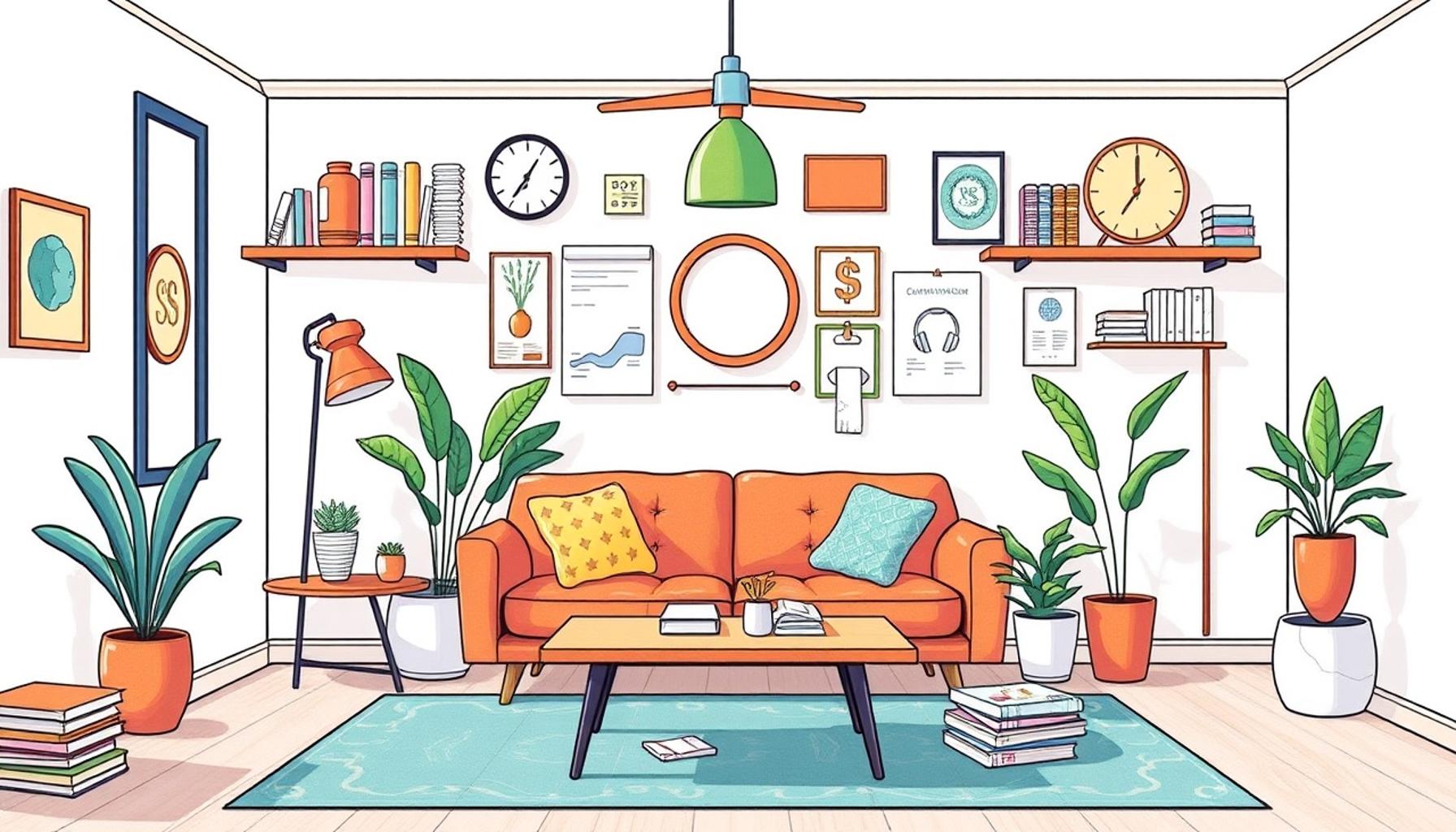
Minimalist Organization: Creating Serene Spaces for a Calm Mind

The Value of Minimalism in Everyday Life
In an era where consumerism and relentless schedules dominate, the search for calm and clarity has become paramount. Many individuals are finding solace in the practice of minimalist organization, which involves streamlining both physical spaces and mental loads. A clear space can lead to a clear mind, ultimately enhancing mental clarity and promoting well-being. By simplifying our environments, we can harness a profound sense of tranquility that positively influences various aspects of our lives.
One of the most notable advantages of minimalism is the enhanced focus it provides. In a cluttered room filled with distractions, achieving concentration becomes incredibly challenging. Research indicates that environments with fewer visual distractions foster deeper cognitive engagement. For instance, professionals working in clean, organized office spaces report higher levels of productivity and greater satisfaction compared to those surrounded by chaos. This highlights the importance of carefully curating one’s surroundings to directly benefit mental performance.
Additionally, the impact of a minimalist approach on stress levels is significant. A reduced stress environment is essential in today’s high-pressure climate. When we are surrounded by clutter, our brains can become overwhelmed, leading to anxiety and reduced motivation. Conversely, a tidy space can evoke peace of mind and promote a healthier mental state. Simple acts, like creating a dedicated area for work and another for relaxation, can drastically improve how we feel in those environments.
Furthermore, minimalism can significantly contribute to increased productivity. By organizing spaces with intention and removing unnecessary items, individuals tend to find improved efficiency in their daily activities. For example, consider the implementation of multifunctional furniture such as a sofa bed in a studio apartment. This not only maximizes space but also encourages a more organized lifestyle and can transform how you navigate your environment.
Embracing minimalism does not necessitate a complete abandonment of possessions. It is about the thoughtful curation of what surrounds us. Small steps can create significant changes. Start by clearing out items that no longer serve a purpose, whether they are clothes in a closet or knickknacks on a shelf. Evaluate what truly adds value to your life—this is the essence of maintaining serene spaces. As you navigate the world of minimalism, remember that achieving simplicity is not merely an act of removing, but of choosing wisely what to keep.
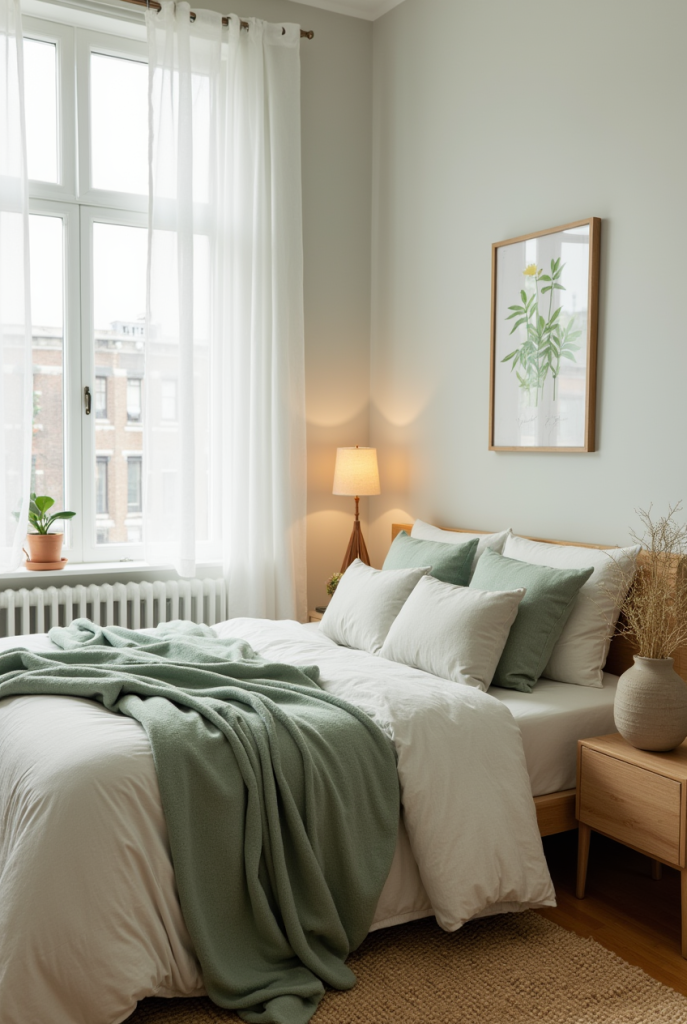
By understanding the emotional and psychological effects of our environments, we can appreciate the transformative power of simplicity. In a world filled with distractions and excess, discovering the art of simplicity can lead to a more fulfilling and peaceful existence. The journey towards minimalism is a personal one, filled with the opportunity for self-discovery and growth. Embrace the challenge, and allow the serenity of minimalism to guide you toward a more balanced life.
Transforming Your Environment for Clarity
One of the most immediate and impactful steps in minimalist organization is assessing your current environment. Every item in your space carries energy and significance; therefore, it’s vital to understand how they affect your mental state. Begin by recognizing the areas in your home or workspace that feel overwhelming or cluttered. In American homes, common trouble spots often include kitchens, home offices, and bedrooms, where the accumulation of items can lead to feelings of chaos. It’s crucial to take a step back and evaluate emotional reactions to physical surroundings to better understand the impact of clutter on daily life.
To aid in your journey toward creating serene spaces, consider adopting the following strategies:
- Decluttering Regularly: Set aside time each week or month to declutter. Focus on one area at a time to avoid feeling overwhelmed. By systematically removing items that no longer serve a purpose or spark joy, you will gradually create a more serene atmosphere. For example, dedicating a Saturday morning to declutter your kitchen can lead to discovering old gadgets you no longer use, thereby freeing up space for essentials. This practice not only clears physical clutter but also alleviates psychological weight.
- Establishing a ‘One In, One Out’ Rule: For every new item you bring into your home, consider letting go of another. This keeps your space from becoming overcrowded and encourages mindfulness in your purchasing decisions. If you buy a new pair of shoes, donate an old pair that you no longer wear. This simple rule fosters a conscious relationship with material possessions and can make the act of shopping much more deliberate.
- Using Storage Solutions Wisely: Maximize vertical space with shelves, utilize under-bed storage, and choose multifunctional furniture. These strategies help maintain order without sacrificing style. For instance, investing in decorative baskets can provide stylish yet practical storage options for everyday items, while ottomans with hidden storage can serve dual purposes in smaller living spaces.
Creating serene spaces also involves emotional and psychological elements. It’s essential to cultivate an atmosphere that promotes tranquility and calm. Start by implementing soothing color palettes in your environment. Soft, neutral tones such as whites, beiges, and pastels can create a calming effect, while bold colors may contribute to feelings of anxiety in certain settings. Research has shown that colors can influence mood; for example, soft blues and greens are often associated with relaxation, making them ideal choices for bedrooms or meditation areas.
Moreover, consider adding elements of nature to your decor. Plants, for example, are not only visually appealing but also improve air quality and enhance overall well-being. Studies indicate that exposure to greenery can lower stress levels and increase feelings of happiness. Simple additions like a peace lily or succulents can make a profound difference in how you feel in a space. Even a small herb garden in the kitchen can infuse life and vibrancy into your cooking area, while also providing fresh flavors for your meals.
As you embark on your minimalist organization journey, it’s essential to remember that the goal is not perfection but simplicity. Each small adjustment leads to greater mental clarity and harmony. As you pare down your belongings and become mindful of your environment, you will find that a clutter-free space opens up room for creativity, productivity, and calmness—elements that enrich your everyday life. This holistic approach to organization not only transforms physical spaces but also fosters a nurturing and empowering environment conducive to personal growth.
| Category | Benefits |
|---|---|
| Simplified Aesthetics | Promotes Peace by eliminating clutter and distractions, allowing for focused work and relaxation. |
| Functional Design | Enhances Productivity by using multifunctional furniture and efficient layouts, facilitating smoother workflows. |
The concept of minimalist organization is deeply rooted in the idea that our environments significantly impact our mental states. By embracing a simplified aesthetic, individuals can transform their surroundings into serene spaces that serve as retreats from the chaos of daily life. Research has shown that clutter can lead to increased stress and anxiety; thus, creating environments free from unnecessary distractions can foster a profound sense of calm. Beyond aesthetics, functional design plays a crucial role in minimalist organization. Utilizing minimalistic principles allows for the integration of multifunctional pieces that save space while enhancing usability. For instance, a coffee table that doubles as storage can keep your living area tidy while providing essential functionality.Prospective adopters might wonder how to begin their journey to a calmer space. Starting with small, manageable areas can significantly impact one’s mindset and motivation to sustain these changes over time. Consider evaluating each item in your space—does it serve a purpose, or is it simply occupying space? This conscious consumption further reinforces the calming benefits associated with a minimalist lifestyle, enticing individuals to explore this transformative approach to organization and design.
Incorporating Mindfulness and Productivity into Your Organized Space
As you delve into the world of minimalist organization, it is essential to recognize the intersection of mindfulness and productivity as you create serene spaces. A well-organized environment not only looks aesthetically pleasing but also enhances your mental clarity, making you more focused and efficient in your daily activities. To achieve this balance, consider implementing a few thoughtful practices into your minimalist journey.
Designated Zones: One effective strategy is to establish specific zones within your environment that cater to various activities. This approach can help to limit distractions and streamline your focus. For example, if you work from home, designate a specific room or corner exclusively for work-related tasks. Keep that space free of non-work essentials to create an atmosphere conducive to concentration. Similarly, establishing a cozy reading nook with a comfortable chair and good lighting can reinforce the importance of unwinding and makes it easier to disconnect from a busy day.
Incorporating a Daily Mindfulness Practice: In tandem with an organized space, integrating mindfulness routines can significantly contribute to cultivating a serene atmosphere. Taking time each day for a short meditation or deep breathing can help ground you, making it easier to manage stressors that appear throughout the day. A landscaped garden or a simple indoor meditation corner, infused with calming elements like scented candles or soft lighting, can enhance this practice. Studies indicate that people who engage in mindfulness activities often report higher levels of satisfaction with their lives and a stronger sense of emotional well-being, providing extra motivation to maintain your serene environment.
Limit Digital Clutter: In today’s digitally-driven world, it’s just as important to minimize the clutter on our devices as it is to declutter our physical spaces. Take the time to assess your digital environment—unnecessary files, endless subscriptions, and chaotic email inboxes can easily contribute to a feeling of overwhelm. Organize digital folders effectively and unsubscribe from unimportant emails, allowing you to maintain a clear mental space, akin to the physical serenity encouraged by minimalist organization. Consider the use of productivity tools, like task lists or digital planners, to keep your workflow streamlined and reflective of your minimalist philosophy.
A collaborative element of minimalist organization is the concept of intentional design. This ideology emphasizes functionality over ornamentation, ensuring that every piece in your home serves a purpose or elicits joy. When furnishing your space, consider investing in quality over quantity. Choose timeless pieces that blend seamlessly with your decor while providing comfort and utility. The minimalist ethos often embraces a Scandinavian-inspired aesthetic, emphasizing clean lines, an abundance of natural light, and uncluttered spaces that invite tranquility.
Additionally, as you embrace this journey, remember that personalization can coexist with minimalism. Thoughtfully curated art pieces, family photos, or keepsakes can add character to your space while still aligning with minimalist principles. The key lies in moderation; choose what resonates with you and enhances your personal narrative rather than adding to clutter and noise.
By intertwining mindfulness and productivity with your minimalist organization journey, you develop an enriched awareness of your surroundings. This comprehensive approach enables spaces to not only be organized in a way that visually resonates but also significantly influences your mental state, helping you navigate daily challenges with increased tranquility and clarity.
Embracing Minimalism for a Tranquil Life
In conclusion, the essence of minimalist organization lies in its ability to foster a serene environment that supports a tranquil mind. By prioritizing function over excess and intentionally designing spaces that reflect your values, you create a sanctuary that nurtures mental clarity and emotional well-being. As you embark on this journey, remember that designated zones for different activities can significantly enhance focus and productivity, while also encouraging moments of relaxation and mindfulness.
Incorporating daily mindfulness practices into your organized spaces—whether through meditation, journaling, or simply enjoying a moment of stillness—can further deepen your connection to the space around you. It transforms the act of organization into a mindful ritual, allowing you to appreciate the simplicity and beauty of your environment.
Moreover, as our lives become increasingly digital, it is vital to address digital clutter as rigorously as we do physical objects. Taking proactive steps to declutter your digital spaces can echo the serenity found in your physical surroundings, leading to a holistic sense of calm.
Ultimately, embracing a minimalist lifestyle offers a pathway not only to an organized home but to a fulfilled life. By curating your surroundings with intention and mindfulness, you cultivate a peaceful atmosphere that resonates with clarity and purpose. Explore this transformative approach, and allow your organized spaces to serve as a foundation for a more serene, productive existence. As you navigate this minimalist journey, always remember that less truly can be more, leading to a calmer mind and an enriched life.
Related posts:
Disconnecting from Excess: How Digital Minimalism Can Alleviate Anxiety
Less is More: Minimalist Strategies for Managing Stress and Increasing Productivity
Minimalist Organization: Creating Calm Spaces for a Stress-Free Mind
The Art of Letting Go: How Minimalism Can Reduce Stress in Your Daily Life
Minimalism in Practice: How to Simplify Your Daily Routine to Reduce Stress
Minimalist Daily Rituals: Practices to Cultivate Calm and Mental Clarity

Linda Carter is a writer and organization expert specializing in minimalism and personal organization. With extensive experience helping individuals create clutter-free, functional spaces and adopt mindful habits, Linda shares her knowledge on our platform. Her goal is to empower readers with practical advice and strategies to simplify their lives, stay organized, and achieve a sense of calm and balance in their daily routines.