How to Maximize Space in Small Environments: Minimalist Organization Tips
Understanding the Importance of Minimalism
In today’s fast-paced society, where urban living often translates to compact homes and apartments, the principle of minimalism has surged in popularity. This movement advocates for the deliberate reduction of excess items, emphasizing quality over quantity. Adopting a minimalist lifestyle can dramatically enhance the way we experience our living spaces, making them not only more functional but also aesthetically pleasing.
Clutter Reduction
One of the most significant advantages of embracing a minimalist approach is clutter reduction. By evaluating the items in your home and keeping only those that hold true value or joy, you can transform your environment. For instance, consider the clothes hanging in your closet – how many of them do you actually wear? Marie Kondo’s tidying method encourages individuals to pick each item up and ask, “Does this spark joy?” This process can lead to donating or discarding numerous items that lack purpose in your daily life.
Functional Design
In addition to decluttering, minimalism emphasizes functional design. Each piece of furniture, decor, or accessory should serve a distinct purpose. Take multi-functional furniture, for example – a stylish ottoman that doubles as storage can offer both comfort and utility, saving valuable floor space. Items like foldable tables or wall-mounted shelves can also maximize the functionality of a room without the burden of excess.
Visual Appeal
Another noteworthy benefit is the visual appeal of a minimalist space. A home with fewer distractions creates a serene and inviting atmosphere. Light colors, open spaces, and carefully chosen décor elements can make a room feel larger and more welcoming. For example, utilizing mirrors can enhance light and create an illusion of depth, making any small space seem more expansive.
Transforming Daily Life with Minimalism
The effects of a well-organized space extend beyond aesthetics. Personal efficiency can significantly improve in a decluttered environment. When belongings are in designated spaces, it becomes easier to locate items quickly, resulting in increased productivity throughout the day. For example, a designated home office area free from distractions allows individuals to focus better and complete tasks efficiently.
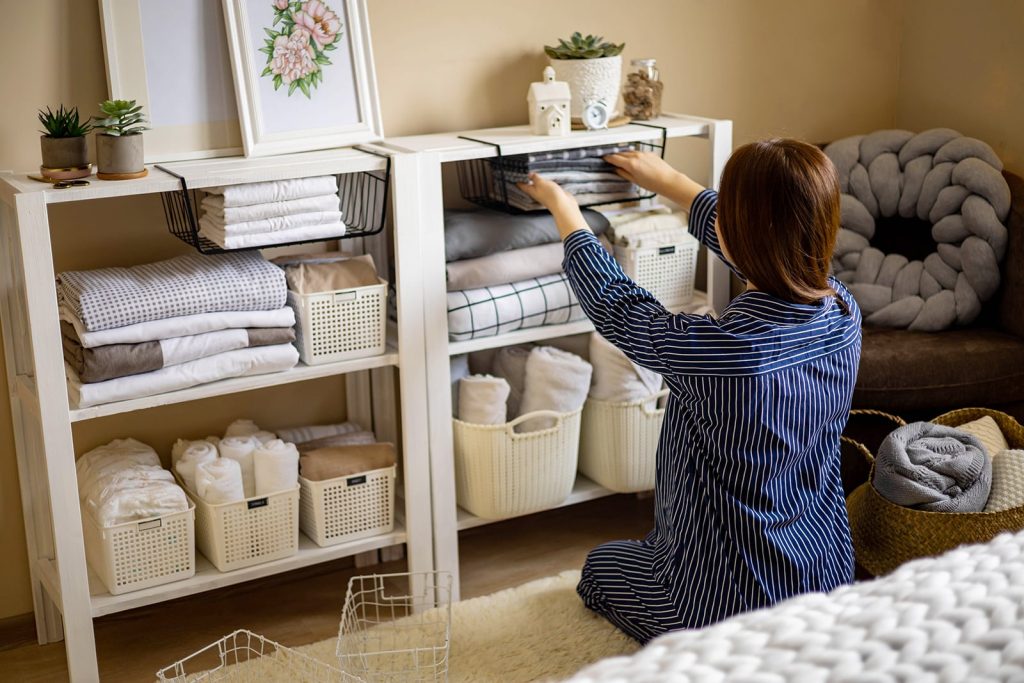
Moreover, a minimalist approach fosters enhanced comfort. By creating a peaceful atmosphere, stress and anxiety reductions can occur, leading to a more enjoyable living experience. Imagine returning home to a clean, organized sanctuary after a hectic day; this can significantly impact your mental well-being.
Finally, a simplified space promotes boosted creativity. With fewer distractions, the mind is free to think and innovate. Artists and writers often find that an uncluttered workspace encourages the flow of ideas, enabling them to accomplish more in their creative endeavors.
In summary, adopting a minimalist organizational approach can transform small living spaces into functional and beautiful sanctuaries. This article will delve deeper into practical tips and techniques that empower individuals to create a more organized and serene environment, allowing for a fulfilling urban living experience worthy of exploration.
Practical Minimalist Organization Tips
Maximizing space in small environments is not just about decluttering; it is an art that combines structured organization with a minimalist philosophy. Implementing efficient organization strategies can transform your space, making it both functional and visually pleasing. Here are effective tips to guide you in creating more room within the confines of your home.
Evaluate Your Belongings
The first step towards effective space maximization is a thorough evaluation of your belongings. Begin by categorizing items into three groups: keep, donate, and discard. This systematic approach will help you understand exactly what you own and what serves a purpose:
- Keep: Items you use regularly and that resonate with you emotionally.
- Donate: Items that are in good condition but no longer serve a purpose in your life.
- Discard: Broken or unusable items that only consume space.
Adopting a seasonal approach to this evaluation ensures that you continually maintain a clear space. For example, at the start of each season, review your wardrobe and home décor to see what you no longer need. This practice not only keeps clutter at bay but also allows you to stay connected with the items that truly matter in your life.
Optimize Storage Solutions
When dealing with limited square footage, the way you utilize your storage can make all the difference. Consider using vertical storage solutions to take advantage of your walls. Installing shelves or wall-mounted organizers frees up floor space and offers new storage opportunities. Additionally, consider these creative ideas:
- Use under-bed storage bins to store out-of-season clothing or extra shoes.
- Incorporate custom-built furniture, such as a bed with built-in drawers.
- Utilize the back of doors for hanging additional organizational tools or small shelving units.
These multifunctional solutions not only increase storage but also contribute to a streamlined appearance within your space. By keeping items stored and out of sight, your environment maintains its minimalist ethos.
Adopt Smart Furniture Choices
Furniture selection plays a critical role in maximizing space in small environments. Opting for smart furniture choices can create a more open and inviting space. Consider the following when furniture shopping:
- Multi-functional pieces: Look for sofas that convert to beds, coffee tables with hidden storage, or dining tables that can expand when guests visit.
- Lightweight designs: Furniture that is easy to move allows for reconfiguring your space as needed, creating flexibility.
- Minimal designs: Select streamlined, simple pieces that won’t overwhelm your area visually, ensuring that the space feels larger than it is.
By being thoughtful about your furniture choices, you can make small environments feel spacious and organized without sacrificing style or comfort.
As you embark on your journey towards a more minimalist home, remember that the goal is to create a space that not only meets your functional needs but also reflects your personal aesthetic. With consistent effort and these practical tips, you’ll find that maximizing space in small environments is entirely achievable.
When it comes to enhancing small spaces, adopting a minimalist approach can lead to creative and practical solutions that make a significant impact. One of the most effective tips for maximizing space is to utilize multifunctional furniture. Items such as ottomans with storage, coffee tables that double as desks, or beds with built-in drawers not only save space but also enhance the aesthetic of your room. According to interior design experts, these pieces are essential for maintaining a clutter-free environment while providing what you need at a moment’s notice.Incorporating vertical space is another vital strategy. Installing tall bookshelves, wall-mounted shelves, or pegboards keeps your floor area clear and allows you to display your favorite items or organize tools efficiently. This upward expansion not only draws the eye up, creating an illusion of height in a room, but it also enables you to keep personal items easily accessible while staying organized.
Decluttering and Organizing
Understanding the principle of “less is more” is crucial to effective minimalist organization. Regularly review your belongings and remove items that no longer serve a purpose or bring you joy. The famed Marie Kondo method encourages minimalism by advocating keeping only those items that spark joy. This method not only clears physical space but also promotes mental clarity, reducing stress related to clutter.Lastly, using transparent storage solutions can effectively maintain organization without interrupting the open feel of a room. Clear bins, boxes, and containers allow you to quickly see contents while minimizing clutter. Labeling these containers can further simplify the process of finding items and ensuring everything has its place. By employing these minimalist organization tips, you can vastly improve the functionality and aesthetics of small environments, making them more enjoyable and livable.
Creative Layouts and Designs
Once you have evaluated your belongings and optimized storage solutions, the next step lies in rearranging your space creatively. The layout of a room can dramatically affect its perceived size and functionality. Experimenting with diverse arrangements opens up possibilities for enhancing available space. Here are stellar layout tips that can aid you in achieving that desirable airy feel:
Think Outside the Box with Zones
In small spaces, defining functional zones can aid in effective usage. Instead of viewing a room as a single entity, break it into zones tailored to particular activities, such as sleeping, working, or relaxing. For example:
- Create a cozy reading nook by placing a comfortable chair beside a bookshelf or window.
- Designate a corner in the kitchen for meal prep with a small standing table, using stool seating that can be tucked away.
- Set up a workspace in a quiet corner, making use of vertical storage like wall-mounted shelves to keep supplies organized and out of sight.
This intentional separation creates a sense of order, making your small environment feel larger and more purposeful.
Use Mirrors to Your Advantage
Mirrors can be your best friend when it comes to creating an illusion of space. Strategically placed mirrors can reflect light and visually expand a room. Here are some ways to incorporate mirrors:
- Hang a large mirror across from a window to reflect natural light, brightening up the room.
- Install mirrored furniture, such as a console table or side table, to give an elegant touch while enhancing depth.
- Use a series of smaller mirrors grouped together on a wall for a unique art piece that adds both interest and an expansive feel.
By incorporating mirrors creatively, you not only beautify your space but also cleverly enhance its dimension.
Embrace Open Shelving
Open shelving has become a popular trend in small homes, and for good reason. These shelving options serve as a practical storage solution while eliminating the visual bulkiness of traditional cabinets. Embrace open shelving by:
- Displaying only the most aesthetically pleasing items, keeping surfaces clutter-free and curated.
- Taking advantage of vertical space in kitchens by placing dishes or pantry items on sleek shelves.
- Inserting floating shelves in living rooms to help showcase books and decorative elements, which draws the eye upward.
This not only maintains a minimalistic vibe but also serves as a design feature that makes your space feel sophisticated and open.
Consider Color and Lighting
The colors and lighting within your small environment can significantly alter its overall ambiance. Lighter colors tend to create a sense of airiness. Integrate a color palette that features soft tones, like whites, beiges, and pastels. Furthermore, focus on natural light to enhance your space:
- Use sheer curtains to allow light to filter in without sacrificing privacy.
- Introduce layered lighting – ceiling fixtures, floor lamps, and task lighting – to create depth and functionality throughout your home.
- Paint the ceilings a lighter color than the walls to draw the eye upward, making the space feel more open.
By utilizing an effective color scheme and smart lighting, you can transform your small space into a vibrant haven of comfort while adhering to minimalist principles.
Conclusion
Maximizing space in small environments through minimalist organization is a creative endeavor that can lead to remarkable transformations. By understanding the significance of decluttering, implementing innovative storage solutions, and reimagining your space with intentional layouts, you can create a harmonious living area that feels spacious and welcoming. The emphasis on defining functional zones not only clarifies the purpose of each area but also enhances the overall organization of your home.
Incorporating elements such as mirrors and open shelving can further amplify the sense of space and sophistication, turning practical storage into an aesthetic highlight. Additionally, selecting a light color palette paired with smart lighting will ensure that your small environment radiates warmth and invites natural light, making it feel less confining.
Ultimately, maximizing space is not merely about making a small area usable; it’s about cultivating a lifestyle that embraces simplicity and organization. As you embark on this journey, consider that each small adjustment contributes to a larger vision of comfort and functionality. By adopting these minimalist organization tips, you open the door to a thoughtfully curated space that reflects both your personal style and practical needs. Ready to transform your small environment? Start today and embrace the beauty of living with less, but better.
Related posts:
Minimalist Workspaces: Creating Functional Environments in Compact Locations
Multifunctional Furniture: Creative Solutions for Space Efficiency at Home
Versatile Living Spaces: Transforming Environments with Smart Storage Solutions
Minimalist Kitchen Spaces: Optimizing Spatial Efficiency in Meal Preparation
The Art of Letting Go: How Spatial Efficiency Contributes to a Sustainable Lifestyle
Compact Workspaces: Minimalist Organization Strategies to Increase Productivity

Linda Carter is a writer and organization expert specializing in minimalism and personal organization. With extensive experience helping individuals create clutter-free, functional spaces and adopt mindful habits, Linda shares her knowledge on our platform. Her goal is to empower readers with practical advice and strategies to simplify their lives, stay organized, and achieve a sense of calm and balance in their daily routines.