
Minimalist Kitchen Spaces: Optimizing Spatial Efficiency in Meal Preparation
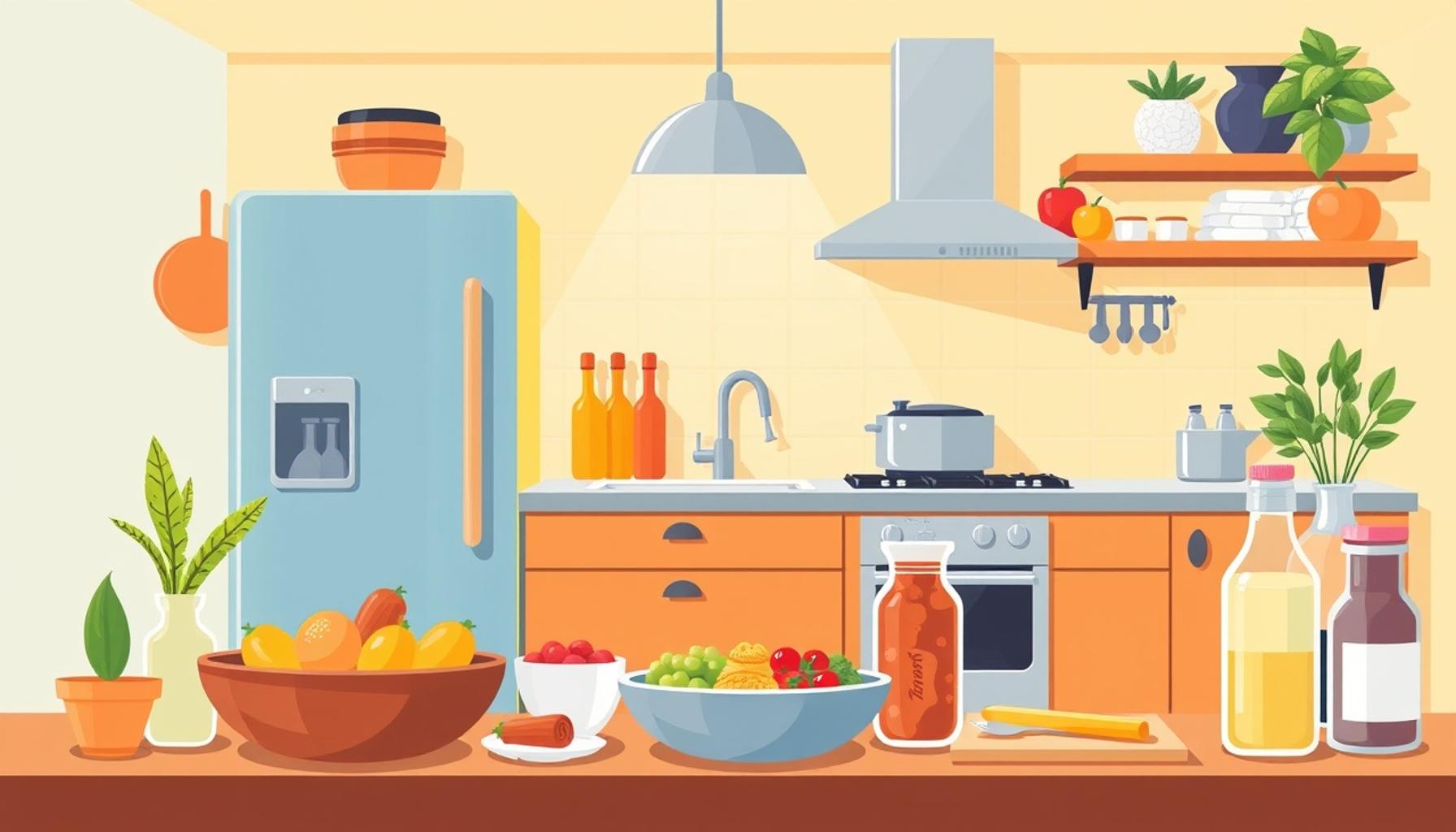
Understanding the Minimalist Kitchen
The appeal of a minimalist kitchen extends beyond its visually pleasing clean lines and simplicity; it serves as a testament to efficiency and thoughtful design. Modern kitchens often become overwhelming with an array of utensils, appliances, and decorative elements that can detract from the cooking process. By focusing on essentials and embracing functionality without excess, homeowners can create an environment that promotes creativity and enjoyable culinary experiences.
Key features of a minimalist kitchen contribute to both beauty and practicality. One such element is the use of open spaces. Uncluttered countertops not only provide a serene visual experience but also enhance movement, allowing for seamless transitions between different aspects of meal preparation. For instance, a clear countertop can transition from chopping vegetables to plating food without the hindrance of excess items, making the process fluid and enjoyable.
Another significant aspect is smart storage. Emphasizing vertical space, minimalist designs often incorporate shelves or hooks that utilize walls to store pots, pans, and utensils. This can include pot racks or magnetic knife strips that not only save counter space but also make cooking tools readily accessible. Multifunctional furniture—like a kitchen island that serves both as a prep area and dining space—further optimizes functionality, inviting friends and family to gather while meals are being prepared.
The choice of a limited color palette also plays a crucial role in a minimalist kitchen. Typically featuring soft neutrals or monochromatic shades, these colors foster an atmosphere of calm and peace. This can be observed in popular designs featuring white cabinetry paired with wooden accents or black hardware. Such an aesthetic can create a cohesive look that is both timeless and contemporary.
Transitioning to a minimalist kitchen offers several enticing advantages. Increased efficiency is often the most immediate benefit. By streamlining workflow, tasks that may have seemed overwhelming can become manageable and even enjoyable. Cooking becomes less about navigating a maze of tools and more about experimenting with flavors and techniques.
Enhanced focus is another powerful benefit. A simplified environment reduces distractions, allowing for a more immersive cooking experience. This focus can elevate home cooking from a mundane task to an enjoyable ritual, as individuals can truly engage with the process, creating meals mindfully. Furthermore, a streamlined cooking space often leads to greater sustainability. By reducing the reliance on excessive kitchen gear, not only do homeowners save money, but they also contribute to a more sustainable lifestyle. Choosing quality over quantity can lessen waste, echoing a commitment to environmentally conscious living.
Exploring minimalist kitchen designs can be an exciting journey that transforms not just your culinary space, but also your cooking experience. As you consider how to utilize every inch effectively, remember that the end goal is to weave simplicity and functionality into a harmonious kitchen environment. This thoughtful approach not only enhances the way meals are prepared but invites creativity to flourish, turning everyday cooking into a delightful adventure.
Fundamentals of Spatial Efficiency in Minimalist Kitchens
At the heart of any minimalist kitchen lies the principle of spatial efficiency, aiming to maximize functionality while minimizing unnecessary distractions. This philosophy transforms the culinary space into a haven of both style and practicality, allowing every inch to play a vital role in meal preparation. By strategically designing kitchen layouts and incorporating essential elements, homeowners can not only enhance their cooking experience but also create an inviting environment.
The layout of a minimalist kitchen is typically characterized by the work triangle concept, which promotes efficiency through the positioning of three key elements: the stove, sink, and refrigerator. Ensuring these components are within close proximity encourages fluid movement, streamlining the cooking process. This configuration means fewer steps between each task, thereby saving time and energy. In practice, an effective work triangle might entail placing the sink centrally, with the stovetop and refrigerator positioned on either side, creating a natural flow that is intuitive for daily cooking routines.
Another vital consideration is multi-use appliances. The modern minimalist kitchen thrives on tools designed for versatility, making it possible to condense multiple functions into one appliance. For instance, a high-quality toaster oven not only toasts bread but can also bake, broil, and even reheat leftovers. Investing in appliances that reduce the need for separate devices helps to keep countertops clear and organized, thereby amplifying the available workspace.
Essential Elements of a Minimalist Kitchen
To further enhance spatial efficiency, homeowners should consider the following elements as core tenets of a minimalist kitchen:
- Decluttered Counters: Reducing countertop clutter is crucial. Keep only frequently used items out like a knife block, salt and pepper shakers, or a cutting board.
- Functional Lighting: Lighting can significantly influence the ambiance of a kitchen. Opt for under-cabinet lighting and overhead fixtures that illuminate work areas effectively without overwhelming the space.
- Streamlined Cabinetry: Choosing cabinets with a minimalist approach, such as flat-front designs without handles, can contribute to a sleek look while keeping contents easily accessible.
- Easy-to-Clean Surfaces: Selecting surfaces that are easy to maintain, such as quartz or stainless steel, reduces the time spent on cleanup, further encouraging a zen-like cooking environment.
- Open Shelving: This design not only showcases beautiful dishware but also keeps essential items visible and within reach, allowing for quick access during meal preparation.
By incorporating these elements, homeowners can elevate their cooking spaces into efficient havens that promote creativity, encourage shared social experiences, and streamline the tasks involved in meal preparation. The pursuit of a minimalist kitchen is ultimately about striking a harmonious balance between esthetics and functionality, ensuring that the culinary arena is not just a space for cooking, but a joyful environment that enhances the overall experience of creating meals.
Minimalist Kitchen Spaces: Optimizing Spatial Efficiency in Meal Preparation
In today’s fast-paced world, a minimalist kitchen has become a significant focus for those looking to enhance their culinary experience while maximizing spatial efficiency. Such kitchens prioritize a clean and organized layout, which can fundamentally transform meal preparation into a more enjoyable and efficient process. Below, we explore two primary advantages of adopting a minimalist approach in your kitchen.
| Category | Description |
|---|---|
| Enhanced Workflow | A minimalist kitchen allows for easier movement, enabling chefs to navigate space efficiently. |
| Reduced Clutter | Less visual distraction leads to a more calm cooking environment, drastically improving focus and creativity. |
As these attributes suggest, minimizing clutter not only makes the kitchen feel more spacious but also empowers individuals to explore their culinary skills without distractions. The simplified design encourages efficient use of tools and ingredients, making meal preparation not just a task but a pleasurable endeavor. Discover how a streamlined kitchen can change the way you cook and enjoy the process like never before.
Designing for Functionality and Aesthetics
While the essence of a minimalist kitchen is rooted in its functionality, aesthetics play an equally important role in achieving a well-balanced environment. Integrating thoughtful design elements not only enhances visual appeal but also reinforces the core principles of spatial efficiency. A beautifully designed kitchen can inspire culinary creativity while maintaining a serene and uncluttered atmosphere.
A key aspect of minimalist design is the use of neutral color palettes. Opting for soft whites, muted grays, and earthy tones can create a calming backdrop that enhances natural light flow, making the space feel larger and airier. Accent colors can be introduced through accessories such as dishware or decorative vases, allowing homeowners to personalize their spaces without overwhelming the overall minimalist theme. The strategic use of color can further aid in defining different zones within the kitchen, making it visually organized.
Incorporating Smart Storage Solutions
Storage is a pivotal factor in maintaining the minimalist ideal. To achieve an effective organization without sacrificing style, a myriad of smart storage solutions can be implemented. For example, pull-out shelves and hidden compartments within cabinets maximize storage capacity while minimizing visible clutter. This approach ensures that pots, pans, and utensils are neatly tucked away yet easily accessible when needed.
Additionally, consider using magnets and vertical space to optimize storage. Magnetic strips or racks can efficiently hold knives and spice jars, freeing up valuable counter space while keeping essential items within arm’s reach. Utilizing wall-mounted shelves for cookbooks or decorative containers can also create a visually appealing storage solution that embraces the minimalist aesthetic.
- Drawer Dividers: Implementing dividers in kitchen drawers can help keep utensils, gadgets, and other items organized, reducing the chaos that can arise in deep drawers.
- Over-the-Door Organizers: These can be ideal for storing pantry items or cleaning supplies, taking advantage of every inch of space available.
- Corner Cabinets: Solutions like lazy Susans or pull-out shelves can effectively utilize corner space, which often goes underused in standard kitchen layouts.
Creating Flexible Meal Preparation Areas
The notion of flexibility is crucial in a minimalist kitchen, particularly as meal preparation can vary greatly from one occasion to another. By introducing a mobile island or cart, homeowners can adjust their kitchen layout based on the type of meal they are preparing. A movable island can serve multiple purposes, from food prep to dining, while offering additional storage and countertop space when needed.
Another innovative approach is the use of foldaway tables or countertops. These features can be concealed when not in use, freeing up floor space, but can be easily extended for family gatherings or entertaining guests. This adaptability not only promotes an efficient cooking workflow but makes the kitchen a more versatile space for social interactions.
Moreover, consider incorporating smart technology into your cooking routine. Appliances that can be controlled via phone apps or voice commands enable hands-free operation, allowing for a more efficient cooking process. Whether it’s a slow cooker that can be adjusted from your living room or a smart oven that remembers your favorite recipes, technology can enhance both ease and organization in a minimalist kitchen.
Ultimately, creating a minimalist kitchen that optimizes spatial efficiency is an ongoing journey of thoughtful design and purposeful selection of elements. By prioritizing flexibility, aesthetics, and storage, these culinary spaces can become both functional and visually pleasing, perfectly reflecting the modern homeowner’s lifestyle. Embracing these practices encourages a focus on cooking and communal experience, making every meal an occasion worth celebrating.
Conclusion
In the fast-paced world we inhabit, adopting minimalist kitchen spaces is not merely a design choice; it represents a lifestyle shift towards enhanced efficiency and clarity. By focusing on spatial efficiency, homeowners can create environments that cater harmoniously to both the practical demands of meal preparation and the desire for aesthetic beauty. Through careful selection of smart storage solutions and the strategic use of color, the kitchen becomes a haven for creativity and communal gathering.
Furthermore, the integration of flexible meal preparation areas, such as mobile islands and adaptable countertops, reinforces the central theme of versatility within a minimalist framework. Families can enjoy the luxury of space while engaging in culinary activities, thus transforming cooking into a shared experience rather than a chore. This versatility is elevated by the inclusion of smart technology, streamlining processes and adding modern conveniences that resonate with today’s digital age.
Ultimately, the journey to crafting a minimalist kitchen is a unique and individualized experience tailored to specific needs and preferences. As minimalism encourages homeowners to declutter not just their kitchens, but their lives, the focus shifts from possessing more to appreciating what truly matters. In this pursuit, every meal becomes an opportunity to celebrate simplicity, creating lasting memories in beautifully orchestrated spaces. By embracing these principles, anyone can elevate their kitchen into a functional yet aesthetically pleasing domain that champions both efficiency and harmony.

Linda Carter
Linda Carter is a writer and organization expert specializing in minimalism and personal organization. With extensive experience helping individuals create clutter-free, functional spaces and adopt mindful habits, Linda shares her knowledge on our platform. Her goal is to empower readers with practical advice and strategies to simplify their lives, stay organized, and achieve a sense of calm and balance in their daily routines.