Creating Serenity Retreats: The Importance of Spatial Efficiency in Relaxation Environments
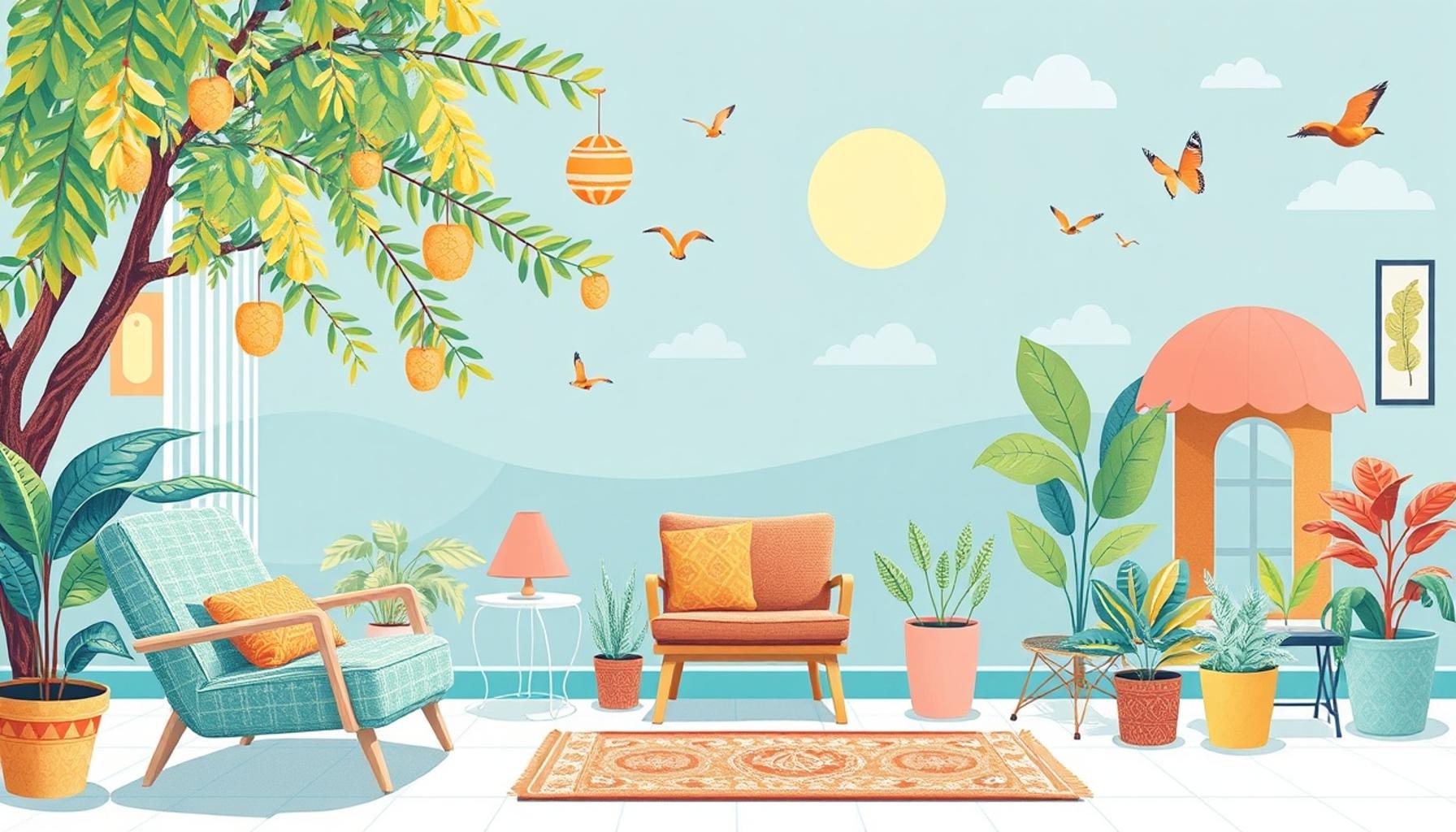
Understanding the Essence of Serenity Retreats
In a world inundated with constant stimuli and obligations, the search for peaceful interludes is more significant than ever. It is in this context that serenity retreats come into play, serving as vital spaces that promote rejuvenation and mental clarity. These sanctuaries don’t merely provide a quiet place to escape; they emphasize the essence of spatial efficiency, which is crucial for enhancing the relaxation experience.
The Art of Maximizing Space
One of the fundamental aspects of designing a retreat is maximizing limited space. In urban settings, where square footage is often at a premium, creative solutions become paramount. For example, vertical gardens can transform small outdoor areas into lush havens, while incorporating built-in furniture can reduce clutter and optimize floor space. A well-placed hammock or meditation nook can serve multiple purposes, allowing for both relaxation and contemplation without overwhelming the area.
Enhancing Flow and Movement
Flow and movement within a space are essential for promoting calmness. Thoughtful layouts can foster an environment where individuals can navigate effortlessly, moving from a quiet reading corner to an open-air yoga deck without obstruction. Incorporating open spaces with minimal barriers encourages both physical and mental freedom, allowing practitioners to immerse themselves completely in the serenity the retreat offers.
The Role of Natural Elements
Natural light is another pivotal component that influences mood and well-being. Retreats designed with expansive windows or skylights not only invite the beauty of the outdoors in but also create a sense of openness and connection to nature. Studies have shown that exposure to natural light can significantly enhance mood and productivity. Therefore, ensuring that spaces are flooded with sunlight can invigorate the spirit and promote a sense of tranquility.
Embracing Calming Colors
The use of calming colors in a retreat’s design cannot be underestimated. Soft hues like blues, greens, and neutral tones evoke feelings of calmness and serenity. These colors can create an inviting atmosphere that encourages relaxation and mindfulness. Carefully curated artwork or decorative elements can also enhance this calming effect, making each space feel personalized and thoughtful, which further promotes peace among its inhabitants.
Transforming Urban Environments
As cities grow more populated and the pace of life accelerates, understanding the significance of spatial efficiency in relaxation environments becomes increasingly essential. Even in the hustle and bustle of city life, it is possible to carve out restorative spaces that nurture mental health and well-being. Ideas such as community gardens or rooftop retreats exemplify how urban areas can incorporate nature into busy lifestyles, offering sanctuary within the chaos.
In conclusion, creating inviting serenity retreats that prioritize spatial efficiency can significantly transform our approach to relaxation. By understanding and implementing the interplay of design and function, individuals can achieve a nurturing environment that meets both personal and communal needs. Discovering how to effectively incorporate these elements can lead to more enriching experiences, ultimately reshaping how we unwind and rejuvenate in our everyday lives.
Creating Functional and Inviting Spaces
When envisioning a serenity retreat, the balance between aesthetics and functionality is pivotal. Designers and planners must recognize that creating an inviting space goes beyond mere visual appeal; it must also cater to practical needs and promote comfort. This dual focus on design and utility results in an environment that actively fosters wellness and relaxation.
Integrating Multi-Functional Areas
The concept of spatial efficiency thrives in the integration of multi-functional areas within retreats. This innovation eliminates wasted space while maximizing utility. For instance, a large communal room can seamlessly transform from a yoga studio into a meditation zone or a space for group workshops. This adaptability allows users to experience various activities without feeling cramped or disconnected.
Additional examples of multi-functional areas might include:
- Meditation Zones: Cozy corners with cushions that can also serve as reading nooks.
- Eating Areas: Picnic-style dining outside that enables both relaxation and socialization.
- Art Spaces: Craft areas that encourage creativity but can easily revert to serene quiet spaces.
The Importance of Outdoor Connection
Incorporating the outdoors is another integral aspect of a successful retreat. Engaging with nature, even in a small urban retreat, can significantly enhance the client experience. Design strategies that invite the outside in—such as glass walls, terrace gardens, or well-placed seating areas—create a feeling of expansiveness and foster peace of mind.
Moreover, studies have indicated that spending time in natural settings can lower stress levels and promote mindfulness. Therefore, ensuring connectivity with nature through thoughtful design allows individuals to bask in the calming effects of their environment, whether through a sizable garden or a carefully placed flower box.
Creating Personal Sanctuaries
A successful serenity retreat also tailors personal space to the needs of individuals. The emergence of rooms designed specifically for personal retreats, such as quiet rooms or reflection spaces, enables guests to step away and recharge in solitude. These personalized zones can be equipped with soft seating, ambient lighting, and soundproofing to ensure a nurturing atmosphere. By allowing guests to unwind in their way, the retreats can cultivate deeper levels of relaxation.
Incorporating Technological Solutions
Furthermore, innovations in technology can enhance spatial efficiency within serenity retreats. The integration of smart designs—such as adjustable lighting and temperature controls—provides users with the autonomy to create their preferred environment. By incorporating user-friendly technologies, retreats can empower guests to customize their experiences, adding to their overall sense of well-being.
As the demand for serenity retreats grows, the role of spatial efficiency becomes undeniable. Thoughtful design not only addresses practical concerns but also enables deeper connections and inspires renewal. By adopting an efficient design philosophy, retreat creators can ensure their spaces become true havens of peace amid life’s busyness.
Creating serenity within retreats relies heavily on the clever use of space. In relaxation environments, the layout directly impacts both comfort and functionality. These spaces must be designed not only to provide aesthetic pleasure but also to enhance the overall experience of tranquility. One of the core principles to consider is spatial efficiency, which maximizes the utility of each square foot.Mindful Arrangements: Whether it’s the careful positioning of furniture or the planning of pathways, each element plays an essential role in facilitating a calm atmosphere. For instance, the placement of seating areas can promote inclusivity and openness, allowing for natural flow during group sessions or relaxation periods. In smaller retreats, multifunctional furniture can be an asset, allowing spaces to adapt quickly to different stays and needs.Natural Light and Air Flow: It’s vital to integrate natural elements into the design. Strategic window placements can invite in sunlight, creating warmth and enhancing mood. Similarly, incorporating natural ventilation through open spaces fosters an environment where guests feel connected to the outdoors without compromising their comfort.Moreover, bringing in natural elements — such as plants or water features — not only appeals visually but also contributes to increased well-being. The use of soft color palettes can further assist in reducing stress, as colors can subconsciously influence feelings of calm and relaxation. In summary, by emphasizing spatial efficiency and thoughtful design, retreats can effectively foster an environment where guests can unwind and rejuvenate, benefitting both physical and mental health. Exploring these strategies can lead to a deeper understanding of how design influences serenity in relaxation spaces.
| Advantages | Key Features |
|---|---|
| Increased Comfort | A well-organized space promotes relaxation and reduces stress. |
| Enhanced Functionality | Multifunctional areas cater to various activities, maximizing the usage of space. |
Balancing Individual Needs with Community Spaces
As serenity retreats evolve, it is essential to strike a balance between maintaining personal sanctuaries and fostering a sense of community among guests. This dual approach can significantly enhance the relaxation experience, allowing guests to benefit from solitary reflection while also enjoying the comfort of social interaction. A well-planned retreat can cater to both aspects through thoughtful spatial efficiency, ensuring that comfort and community coexist harmoniously.
Designing for Group Dynamics
Social interaction plays a crucial role in the overall wellness experience. By designing communal areas with spatial efficiency in mind, retreat planners can create spaces that facilitate engagement without overwhelming guests. For instance, integrating flexible seating arrangements in shared areas, such as gardens or lounges, encourages informal conversations while still preserving individual comfort. Furniture that can adapt to various group sizes ensures there’s always room for gathering, whether it’s a small chat or a larger meditation group.
Utilizing movable partitions can also provide an efficient way to define spaces based on the needs of the moment. For example, a large workshop area could become two separate spaces for discussions or small activities. This adaptable design allows retreat spaces to flow seamlessly from collective gatherings to intimate encounters, aligning with the holistic goals of wellness.
Incorporating Natural Elements
Natural elements extending into communal spaces deserve particular attention in the design of serenity retreats. Incorporating biophilic design—elements that connect occupants to nature—is shown to promote relaxation and calm. Vertical gardens, water features, and even indoor plants help to purify the air while creating a soothing ambiance. The appreciation of natural textures and colors can bolster a sense of belonging and peace, making guests feel more grounded despite their surroundings.
Moreover, outdoor spaces that blend seamlessly with indoor areas—such as patio-style dining or outdoor fire pits—allow guests to embrace the serenity of nature without sacrificing comfort. Opening up shared spaces to natural views not only enhances the visual experience but also instills a sense of tranquility.
Prioritizing Sensory Considerations
Another aspect to focus on is the integration of sensory elements within the design of serenity retreats. Spatial efficiency can also extend to sound design, tactile experiences, and visual comfort. Soft textiles, natural materials, and color palettes that promote calmness are vital for relaxation. Additionally, the strategic use of sound—incorporating soft music, natural water sounds, or even silence—further enhances the atmosphere.
Using scent to elevate the environment can be a transformative aspect that often goes unnoticed. Essential oil diffusers, fragrant plants, or localized scented candles can quickly create an inviting space that stimulates memory and comfort. These sensory enhancements, when designed with consideration of spatial flow, ensure guests remain enveloped in peace during their stay.
Reflecting Local Culture and Community
Lastly, incorporating elements of local culture into serenity retreats can further enrich the experience. By showcasing local art, crafts, or types of seating inspired by the region, guests can connect more deeply with their environment. This cultural integration creates a meaningful backdrop for relaxation, allowing guests to explore their surroundings while remaining grounded in a tranquil space. Additionally, retreat planners should aim for a blend of traditional design motifs and modern elements to create a unique yet serene atmosphere that resonates deeply.
As the concept of serenity retreats continues to thrive, understanding the nuances of spatial efficiency not only enriches the visitor experience but also supports the broader goals of wellness and rejuvenation. By paying attention to both personal and communal needs, these retreats can ultimately cultivate an environment where peace and balance flourish.
Conclusion
In the quest for tranquility, serenity retreats provide a vital refuge from the complexities of modern life. The integration of spatial efficiency plays a pivotal role in crafting these environments, allowing for optimal use of space that caters to both individual and communal needs. The careful design choices, from accommodating flexible seating arrangements to incorporating natural elements, create a harmonious balance that enhances the overall experience.
By prioritizing sensory considerations, retreat planners can elevate the atmosphere, fostering a peaceful environment that supports relaxation and rejuvenation. Not only does this thoughtfully orchestrated environment encourage personal reflection, but it also nurtures social interactions, allowing guests to engage with each other and their surroundings more deeply. Moreover, blending local culture and community elements adds an enriching layer, connecting guests to the essence of the place they are in.
As the landscape of wellness tourism continues to evolve, retreats must embrace these principles of spatial efficiency to remain relevant and inviting. In understanding the intricate balance between privacy and community, serenity retreats can deliver a truly transformative experience, compelling individuals to seek solace and renewal. The importance of well-designed, efficient spaces cannot be overstated, as they set the foundation for a retreat that is both soothing and fulfilling, encouraging all who enter to disconnect, reflect, and recharge.

Linda Carter
Linda Carter is a writer and organization expert specializing in minimalism and personal organization. With extensive experience helping individuals create clutter-free, functional spaces and adopt mindful habits, Linda shares her knowledge on our platform. Her goal is to empower readers with practical advice and strategies to simplify their lives, stay organized, and achieve a sense of calm and balance in their daily routines.