The Evolution of Cinematic Experiences: From Traditional Cinema to Personalized Streaming
The Transformation of Movie and Show Consumption
The evolution of how audiences engage with movies and television shows is nothing short of astonishing. Over the last few decades, technological advancements and shifts in societal behavior have redefined our viewing habits. One of the most notable aspects of this transformation is the contrast between the grand traditional cinema experience and the convenient world of personalized streaming.
Traditional Cinema: A Collective Experience
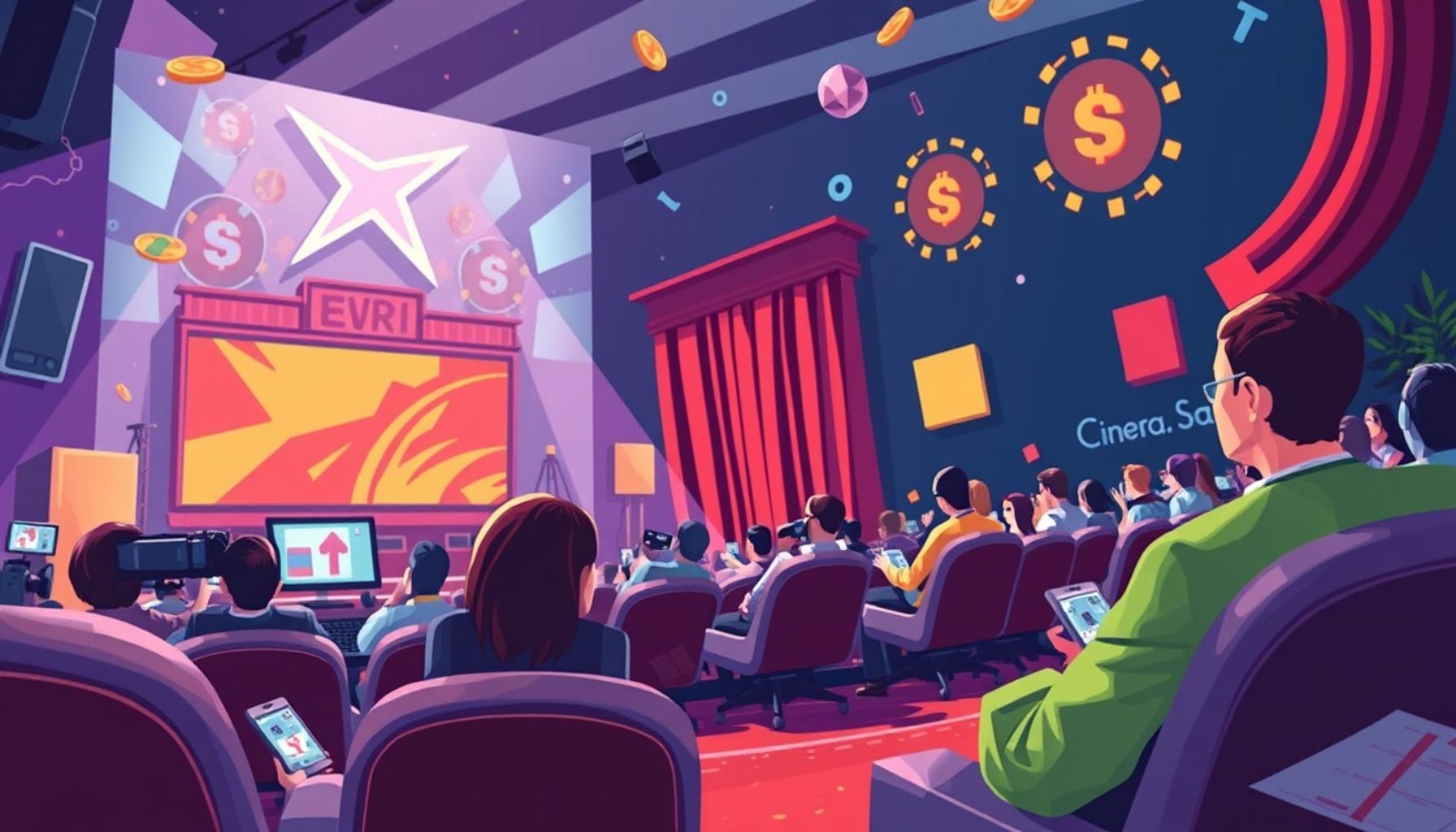
In traditional cinemas, the experience goes beyond merely watching a film. It’s a phenomenon that brings people together in a communal setting. Key features that defined this experience include:
- Immersive Atmosphere: The darkened environment, coupled with large screens and sophisticated surround sound systems, creates an engulfing experience. For instance, watching a blockbuster film like “Avengers: Endgame” on a giant screen enhances the thrill of action sequences that simply can’t be replicated at home.
- Social Interaction: The thrill of sharing laughter in comedy films or collectively gasping during horror moments creates a bond among spectators. These shared emotional reactions foster a sense of belonging and community.
- Scheduled Showtimes: The rigidity of showtimes compels audiences to make a plan, often turning a movie night into a social gathering. Attending a midnight screening can create excitement, forming a ritual around releasing the latest film.
The Rise of Streaming Services
As technology advanced, a significant shift occurred with the introduction of streaming services like Netflix, Hulu, and Disney+. These platforms have radically changed how we think about and consume content, leading to notable trends:
- On-Demand Content: Viewers can choose what to watch and when to watch it. Imagine being able to binge-watch a series like “Stranger Things” at your own pace, late at night or during a quiet afternoon—a flexibility that traditional cinema does not offer.
- Personalized Recommendations: Thanks to sophisticated algorithms, viewers are now presented with tailored suggestions based on viewing history and preferences. For example, if you often watch crime dramas, streaming services will likely suggest similar shows that match your taste, such as “Mindhunter” or “True Detective.”
- Mobile Accessibility: The prevalence of smartphones and tablets means that we can enjoy films and series wherever we are. Whether you’re commuting, traveling, or simply lounging at home, you can access your favorite content anytime, further exemplified by the popularity of movies available for streaming on platforms like Amazon Prime Video or HBO Max.
This significant evolution in consumption reflects a broader change in how we experience storytelling. The shift from collective viewing in theaters to individualized experiences with streaming underlines the growing importance of convenience and personalization in our lives. By understanding this progression, we gain a deeper appreciation for both the art of filmmaking and the technological marvels that influence our modern viewing habits.
DISCOVER MORE: Click here to learn about innovations in film production
Shifting Paradigms in Film and Television Consumption
The Collective Thrill of Traditional Cinema
At its core, traditional cinema has always represented a shared experience. There was something magical about stepping into a dark auditorium filled with excited chatter, the scent of buttery popcorn wafting through the air, and the eager anticipation that built as the lights dimmed. The major attributes that defined this communal viewing experience include:
- Immersive Atmosphere: The allure of large screens and multi-channel sound systems stimulates the senses in profound ways. For example, the experience of witnessing a visually stunning film such as “Avatar” in 3D on the big screen offers a level of immersion that home viewing simply cannot replicate. This sensory engagement elevates the storytelling experience, making it an event rather than just a movie.
- Community Bonding: There is a unique sense of camaraderie among audiences during a screening. When audiences laugh together at a funny scene or jump in unison during a suspenseful moment, it fosters a communal spirit. Films like “The Rocky Horror Picture Show” have even developed dedicated fan followings that gather in theaters, creating a shared ritual that enhances the entertainment.
- Structured Engagement: The nature of scheduled showtimes compels audiences to set aside time for a movie, often turning an ordinary night into a special event. The phenomenon of “date night” or “family movie night,” where friends and family gather to watch a newly released film, highlights how traditional cinema shapes our social interactions.
The Advent and Expansion of Streaming Platforms
As the digital landscape evolved, we witnessed the arrival of a new paradigm in entertainment with the rise of streaming services. Platforms like Netflix, Hulu, and Amazon Prime Video have revolutionized how we consume media, introducing fascinating trends such as:
- On-Demand Viewing: The flexibility of watching content at our convenience marks a significant departure from traditional cinema. With streaming, we are no longer tied to showtimes; instead, we can binge-watch entire seasons of shows like “The Crown” at our leisure, making it easy to fit entertainment into our busy lives.
- Customized Content: Streaming algorithms provide personalized recommendations, enhancing user experience. For instance, if you tend to watch documentaries, platforms will curate a selection that includes critically acclaimed titles like “Making a Murderer” or “Documentary Now!” This tailored approach appeals to individual tastes, ensuring that viewers spend less time searching for content that interests them.
- Accessibility Anywhere: The proliferation of mobile devices has made film and television watching accessible at any moment. Whether commuting on a train or lounging at home, we can easily stream beloved films such as “Pulp Fiction” or series like “Breaking Bad,” making entertainment a constant companion in our lives.
This shift from a socially-driven cinematic experience to a more personalized streaming model demonstrates the changing dynamics in how we consume stories. As audiences embrace the convenience and customization afforded by streaming services, we also witness the growing preference for solitary or small-group viewing experiences over traditional movie outings. By examining this evolution, we can better appreciate how technological advancements not only redefine our media consumption but also shape our cultural interactions with storytelling.
DISCOVER MORE: Click here to delve into the impact of social media on independent films
The Impact of Streaming on Storytelling and Filmmaking
Democratization of Content Creation
The rise of streaming platforms has significantly democratized the film and television industry, allowing diverse voices and stories to emerge that might otherwise have struggled to gain traction in traditional cinema. This shift has been driven by several key factors:
- Accessibility for Filmmakers: Streaming platforms often provide a launchpad for independent filmmakers, giving them access to a global audience without the barriers presented by traditional film distribution. Movies like “The Florida Project,” which received substantial acclaim, exemplify how films can thrive outside the mainstream system, often backed by streaming services eager to diversify their offerings.
- Varied Content Creation: Unlike traditional cinema, which frequently relies on proven formulas and franchise films, streaming allows for a wide range of genres and storytelling methods. For example, Netflix’s “Black Mirror” series has captivated audiences with its unique, anthology-style storytelling that explores contemporary societal issues through dystopian lenses, showcasing the platform’s willingness to experiment creatively.
- Enhanced Global Reach: With streaming services reaching audiences worldwide, filmmakers can explore narratives that resonate on a global scale. This not only enriches the viewing experience but also allows for cross-cultural storytelling. For instance, the Korean film “Parasite,” which gained immense popularity after its availability on streaming platforms, became a cultural phenomenon, proving that powerful stories transcend language and borders.
Interactive and Innovative Storytelling
Another transformative aspect of streaming services is the innovation in storytelling techniques. The interactivity afforded by modern technology allows storytelling to evolve in ways that traditional cinemas have yet to embrace:
- Interactive Viewership: Some platforms, such as Netflix, have ventured into interactive storytelling, allowing viewers to influence the narrative direction. The experience of choosing paths in titles like “Black Mirror: Bandersnatch” invites audiences to take an active role in the unfolding of the story, blurring the line between consumer and creator.
- Unique Formats: Streaming platforms champion episodes that could be shorter or longer than traditional television shows, catering to varied viewer preferences. Limited series with shorter seasons, like “The Queen’s Gambit,” captivate audiences without the filler often seen in longer-running shows, focusing directly on impactful storytelling.
- Visual Experimentation: With the flexibility afforded by digital media, filmmakers can explore innovative visual techniques that may not be feasible in traditional cinema due to budget constraints. The striking visuals and unique narrative style of shows like “The Mandalorian,” which uses advanced technology like Stagecraft, illustrate how streaming services can push the boundaries of visual storytelling.
This evolution of cinematic experiences from traditional cinema to personalized streaming reflects broader changes in audience expectations and engagement. As storytelling becomes more personalized and diverse, audiences increasingly seek unique narratives that resonate with their individual preferences. This shift not only transforms how stories are told but also shapes the very fabric of cultural dialogue surrounding film and television.
DISCOVER MORE: Click here to dive deeper
Conclusion
The transition from traditional cinema to personalized streaming services marks a profound shift in how we experience and engage with film and television. As we have explored, the rise of streaming platforms has ushered in an era of democratization in content creation, enabling a wider range of voices and stories to emerge. Independent filmmakers now have the tools to reach global audiences, offering narratives that might not fit conventional molds. This has broadened the spectrum of storytelling, allowing for diverse genres and innovative formats that cater to audience preferences in unprecedented ways.
Moreover, the introduction of interactive storytelling has reshaped our role as viewers, inviting us to participate in narrative development and blurring the lines between consumer and creator. This evolution not only enhances our viewing experience but also empowers us to engage more deeply with the stories that resonate with us. As demonstrated by examples like “Black Mirror: Bandersnatch,” technology allows for exploration beyond the confines of traditional formats.
Ultimately, as we embrace these changes, it is crucial to recognize the implications for the future of storytelling. With streaming platforms continually adapting to audience demands, the landscape of cinematic experiences will only become more personalized and globalized. As we move forward, we must acknowledge how these advancements will shape not only individual preferences but also cultural conversations across borders, redefining what it means to tell and share stories in our increasingly interconnected world.

Linda Carter
Linda Carter is a writer and expert known for producing clear, engaging, and easy-to-understand content. With solid experience guiding people in achieving their goals, she shares valuable insights and practical guidance. Her mission is to support readers in making informed choices and achieving significant progress.