The Importance of Spatial Efficiency in Minimalist Living: Reducing Clutter and Increasing Mental Clarity

The Rise of Minimalism in Modern Living
In today’s fast-paced world, individuals are increasingly recognizing the importance of spatial efficiency as a vital pillar of minimalist living. The minimalist movement is not merely a trend; for many, it is a fundamental lifestyle choice aimed at simplifying their spaces and, consequently, their minds. Embracing minimalism is about creating environments that promote peace and focus rather than chaos and distraction.
Living a minimalist lifestyle goes beyond surface-level aesthetics. It encompasses several key elements that contribute to greater well-being:
- Reducing physical possessions to essentials: This principle encourages individuals to evaluate every item they own, asking themselves whether it serves a purpose or brings joy. Marie Kondo’s classic question—“Does it spark joy?”—is an excellent starting point for decluttering.
- Creating multifunctional spaces: In small apartments or homes, every square foot matters. Multifunctional furniture, such as a sofa that converts into a bed or a dining table that doubles as a workspace, maximizes usability while minimizing clutter.
- Enhancing day-to-day life with thoughtful organization: Organizing possessions allows individuals to maintain a clean environment. Labeling storage bins or implementing a specific layout for workspaces can lead to quicker access to items and reduced decision fatigue.
Research increasingly supports the notion that clutter affects focus and can even contribute to feelings of anxiety. Studies have shown that people working in cluttered environments often experience more distractions, which ultimately affects productivity levels. By adopting a minimalist lifestyle, individuals are likely to:
- Experience improved mental clarity: A tidy space can foster a tidy mind, making it easier to concentrate on tasks and think creatively.
- Foster emotional well-being: Letting go of excess physical items can lead to a sense of accomplishment. The process of decluttering often equates to shedding emotional baggage, leading to a more liberating lifestyle.
- Encourage a sense of freedom and purpose: With fewer distractions, individuals often find they have more time and energy to devote to meaningful experiences and relationships.
As the trend towards smaller living spaces continues to grow in the United States, particularly in urban areas where real estate can be highly priced, spatial efficiency becomes paramount. Implementing strategies to reduce clutter not only transforms our physical spaces but also rejuvenates our emotional landscapes. Learning to appreciate and embrace these minimalist principles can be the catalyst for a more balanced and fulfilling life.
For those interested in exploring minimalism further, resources are abundant—books, documentaries, and even social media communities dedicated to decluttering and mindful living. Engaging with these materials can inspire individuals to take their first steps towards a clearer mind and a more intentional lifestyle.
Understanding Spatial Efficiency in Minimalist Living
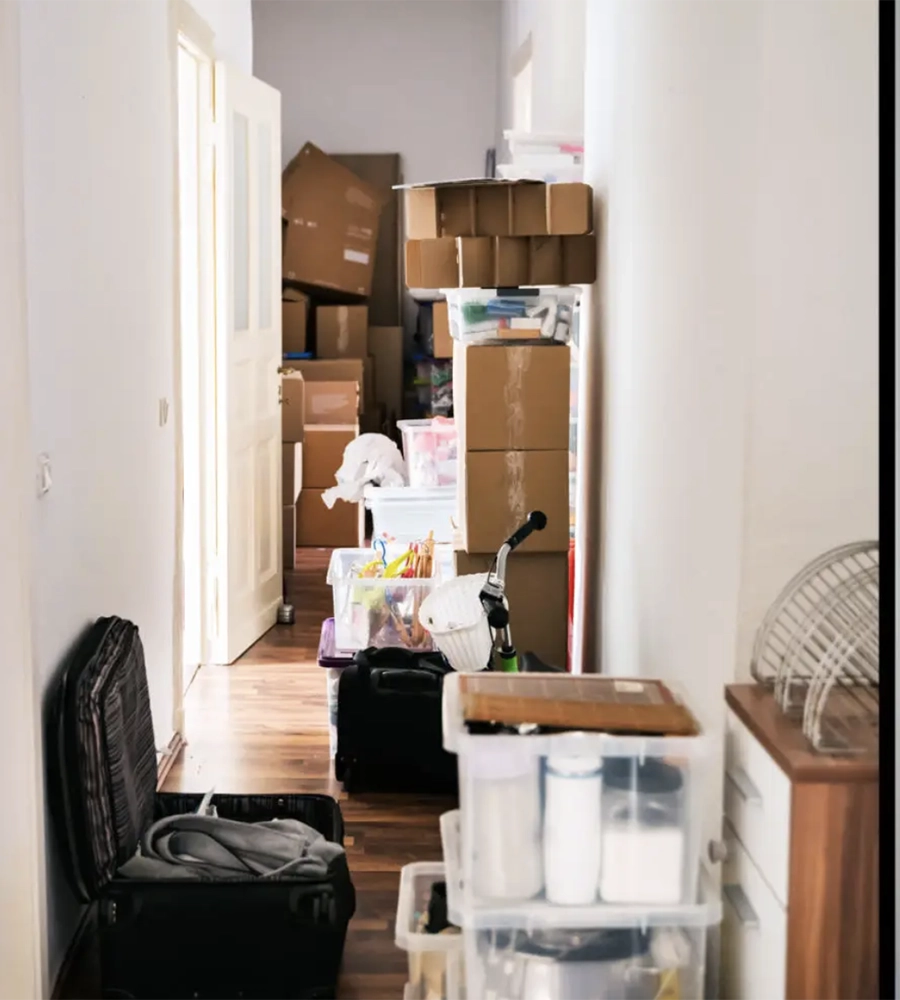
At the core of minimalist living lies the concept of spatial efficiency, which refers to the strategic organization and use of space in a manner that maximizes functionality while minimizing clutter. In the bustle of modern life, where physical surroundings often mirror mental overload, the need for effective spatial organization becomes ever more critical. By focusing on how spaces are utilized, minimalist practitioners can create environments that not only serve their immediate practical needs but also enrich their mental well-being.
A crucial first step in achieving spatial efficiency is the process of decluttering—removing unnecessary items from living and working spaces to ensure that every piece serves a purpose. The emotional weight carried by items can contribute to a chaotic atmosphere. Research has shown that maintaining a clutter-free environment is linked to decreased stress levels. This transformative process allows individuals to actualize a cleaner, more streamlined living area that promotes productivity and focus.
Key Strategies for Achieving Spatial Efficiency
To effectively embrace spatial efficiency in a minimalist lifestyle, individuals can implement several strategic approaches:
- Prioritize Necessity: Convincing oneself to keep only those items that are essential or spark joy, as suggested by the tidying expert Marie Kondo, can revolutionize one’s living space. This requires honest reflection on one’s belongings and a willingness to let go.
- Adopt Adaptability: Choose furnishings and decor that can adjust to different needs. For instance, utilizing a murphy bed or collapsible furniture can significantly enhance the functionality of small spaces without compromising aesthetics.
- Designate Specific Zones: Organizing different areas for particular activities—work, relaxation, and creative pursuits—can help delineate how space is used. This not only promotes tidiness but also amplifies focus by establishing clear environments conducive to specific tasks.
- Invest in Smart Storage Solutions: Utilizing vertical space with shelves and cabinets prevents floor clutter while maintaining accessibility to essential items. Solutions like under-bed storage or multi-tiered carts can significantly enhance space utility.
By integrating these strategies, individuals can find a remarkable shift in not only their physical environment but also their mental state. A well-organized space fosters mental clarity by reducing distractions and allowing the mind to concentrate on tasks and creative processes. This synergy between space and mind can be particularly beneficial in a society that constantly demands attention and deliverable performance.
As individuals navigate the complexities of urban living and strive for simplicity, understanding and practicing spatial efficiency not only reduces clutter but cultivates a lifestyle rooted in clarity and purpose. This cyclical relationship between physical space and mental state opens avenues to an enriched and collected existence.
| Advantages | Benefits |
|---|---|
| Enhanced Focus | A clear and organized space allows for better concentration and productivity, free from distractions. |
| Improved Well-Being | Reducing clutter contributes to lower stress levels and supports emotional stability, fostering a sense of peace. |
In the realm of minimalist living, the concept of spatial efficiency emerges as a powerful tool for enhancing mental clarity and overall well-being. As we delve deeper, we discover how an organized home can play a pivotal role in not just aesthetic appeal, but in fostering better psychological health. The first advantage that stands out is the notion of enhanced focus. A decluttered environment eliminates unnecessary distractions, enabling individuals to hone in on their tasks at hand. Research indicates that individuals in organized spaces are better equipped to engage with their work, resulting in heightened productivity levels. Additionally, minimalism paves the way for improved well-being. Studies suggest a direct correlation between a clutter-free space and reduced stress levels. People often find that when their physical environment is harmonious, their emotional state reflects that tranquility, leading to greater contentment and clarity of thought. Embracing spatial efficiency not only transforms our living spaces but also enriches our mental landscapes, encouraging us to explore further into the world of minimalist living.
Embracing Mindfulness Through Spatial Design
In addition to the practical strategies for improving spatial efficiency in minimalist living, the concept of mindfulness plays a pivotal role in creating environments that cultivate mental clarity. Mindfulness encourages individuals to be present and aware of their surroundings, which aligns perfectly with the minimalist philosophy of intentional living. By consciously choosing what to incorporate into their spaces, individuals can create a sanctuary that fosters serenity and focus.
To truly harness the advantages of spatial efficiency, individuals can engage in mindful decluttering. This approach goes beyond simply removing unnecessary items; it involves a thoughtful evaluation of how each item contributes to one’s sense of well-being. For instance, a study published in the Journal of Environmental Psychology indicates that residents of clutter-free spaces exhibit increased psychological resilience and reduced anxiety levels. By being selective about possessions that evoke positive sentiments and memories, individuals connect emotionally with their spaces, enhancing their overall happiness.
Color and Light: Impact on Mood and Productivity
The interplay of color and light can also dramatically impact spatial efficiency in minimalist living. Research shows that certain colors can influence mood and productivity levels. For example, soft blues and greens are known to create a calming atmosphere, while yellows and warm tones can stimulate creativity and energy. By incorporating a carefully curated color palette into minimalist designs, individuals can establish an environment that harmonizes with their intended activities.
Equally significant is the role of natural light. Studies reveal that exposure to natural light can boost morale and improve focus, making it a crucial element in the design of any minimalist space. Large windows, open layouts, and reflective surfaces can maximize the influx of sunlight, transforming a living area into a vibrant and uplifting environment. Integrating nature into the home through plants not only enhances the aesthetics but also contributes to better air quality and emotional health. The presence of greenery has been linked to reduced feelings of stress and improved cognitive function.
Community and Social Spaces: Enhancing Connection
Spatial efficiency is not solely about the individual; it also encompasses the notion of communal living. Many urban dwellers are turning toward shared living spaces, where efficiency and simplicity meet community and connection. These environments often prioritize shared amenities—kitchens, lounges, and workspaces—that promote interaction among residents. Research from the Harvard Graduate School of Design indicates that such arrangements can foster a sense of belonging, which is crucial for mental well-being.
- Community Engagement: Living in shared spaces encourages collaboration and connection, offering emotional support and reducing feelings of isolation, often experienced in modern urban settings.
- Resource Sharing: Sharing resources like tools, appliances, and even transportation can alleviate financial burdens and reduce the desire to own excessive items.
- Collective Identity: A common space allows for the creation of shared memories, traditions, and collective experiences that can enhance the overall quality of life.
As individuals incorporate these principles of mindfulness and community into their efforts to enhance spatial efficiency, the physical and mental benefits abound. The transition to a minimalist lifestyle, rooted in intentional choices and thoughtful design, leads to richer, more fulfilling living experiences that promote clarity and focus in an increasingly distracting world.
Conclusion: A New Perspective on Minimalist Living
In our fast-paced, consumer-driven society, the importance of spatial efficiency in minimalist living cannot be overstated. By prioritizing mindful decluttering and focusing on intentional design, individuals can significantly reduce clutter and enhance mental clarity. The benefits extend beyond mere aesthetics; they touch on psychological resilience, emotional well-being, and overall life satisfaction.
As highlighted, the aspects of color and light play crucial roles in setting the right atmosphere, influencing mood, and boosting productivity. Incorporating natural elements and utilizing shared spaces not only enriches individual lives but also fosters community bonds and emotional connections, providing an invaluable sense of belonging. These elements collectively contribute to a holistic approach to living—a lifestyle that emphasizes both individual comfort and social engagement.
Ultimately, embracing spatial efficiency within the framework of minimalist living offers a transformative opportunity to cultivate a more fulfilling existence. By reevaluating our possessions, optimizing our spatial designs, and fostering connections with others, we can move toward a life characterized by clarity, harmony, and purpose. Whether you’re an experienced minimalist or just beginning your journey, the ripple effects of these intentional choices can lead to profound changes that enhance both our physical spaces and inner lives.
As we continue to navigate an increasingly chaotic world, let mindfulness guide the way towards serene and efficient living, where every square foot serves a purpose, and every object contributes to our overall well-being.

Linda Carter
Linda Carter is a writer and organization expert specializing in minimalism and personal organization. With extensive experience helping individuals create clutter-free, functional spaces and adopt mindful habits, Linda shares her knowledge on our platform. Her goal is to empower readers with practical advice and strategies to simplify their lives, stay organized, and achieve a sense of calm and balance in their daily routines.