
Minimalism in Purchasing Durable Goods: Strategies for Investing in Quality and Reducing Long-Term Costs

Embracing Minimalism in Consumer Choices
In today’s fast-paced world, the concept of minimalism is gaining traction among consumers. The focus has shifted from quantity to quality, especially in the realm of duranle goods. This shift not only promotes a clutter-free lifestyle but also offers significant financial benefits. As individuals become more conscious of their purchasing decisions, they are increasingly opting for products that align with minimalist principles, which prioritize long-lasting, multifunctional items over fleeting trends.
Why Choose Minimalism?
- Financial Benefits: Investing in high-quality items can lead to reduced costs over time. A prime example is the choice between a cheap, frequently replaced pair of shoes and a high-end durable footwear option. The initial higher price of the latter may deter some, but considering longevity and comfort, it may actually save money in the long run as they won’t need replacements every few months.
- Environmental Impact: Fewer purchases mean less waste and a smaller carbon footprint. In the U.S., the Environmental Protection Agency reports that about 292.4 million tons of waste was generated in 2018 alone. By choosing to buy less frequently and opting for goods made from sustainable materials, consumers can play a crucial role in reducing this waste.
- Increased Longevity: Durable goods are designed to last, often outperforming their cheaper counterparts. A well-made sofa, for instance, can serve as the centerpiece of a living room for decades, as opposed to cheaper, low-quality options that may need replacing every few years.
But how do we navigate the marketplace filled with endless options? Adopting a minimalist approach involves deliberate decision-making. Each purchase should be viewed through the lens of necessity and sustainability. This is especially relevant as many brands are now introducing sustainable product lines, further complicating the buying process. When in doubt, consumers should consider their values and how each item fits into their life. Opting for items that are versatile and timeless in style also aids in reducing overall consumption.
Strategies for Smart Investing
- Research: Understand the materials, brands, and production processes of the goods. With the rise of online shopping, consumers have access to an unprecedented amount of information, allowing them to make informed decisions. Websites like Consumer Reports can provide reviews and comparisons, guiding buyers toward quality.
- Quality over Price: Don’t be swayed by low costs; invest in items that provide value. For instance, consider kitchen appliances: while a budget blender might seem appealing, a high-quality model will likely produce better results and last much longer, ultimately saving money.
- Long-Term Utility: Assess how often and effectively a product will be used. A high-end camera may be worth the investment for an avid photographer, while casual users might find a smartphone camera to be sufficient. Understanding how an item will fit into your life can help prioritize purchases wisely.
As we delve into the world of minimalism in purchasing durable goods, these guiding principles will pave the way for smarter financial decisions and a more sustainable lifestyle. With each mindful purchase, consumers not only empower themselves but also contribute to a broader movement towards responsible consumption, ushering in a new era where quality triumphs over quantity.
Recognizing the Value of Ownership
As consumers navigate the complexities of modern marketplaces, the embrace of minimalism often leads to a profound shift in mindset regarding ownership and the value associated with belongings. In this context, durable goods emerge as pivotal investments that transcend mere functionality; they are assets that enhance both lifestyle and financial well-being. But how do we determine what constitutes a quality purchase in an era rife with marketing hype and superficial branding?
Understanding Durable Goods
Durable goods are items meant to last, often defined as products with a lifespan of three years or more. This category includes appliances, furniture, vehicles, and electronics. The challenge, however, lies in discerning which durable goods are genuinely worth the investment. Consumers are often tempted by flashy marketing and bargain prices that promise immediate satisfaction but can lead to long-term dissatisfaction and expenses. Acknowledging this dynamic is vital for those committed to a minimalist lifestyle.
Key Strategies for Mindful Purchasing
- Prioritize Timelessness: Consider how an item will fit into your life, not just today, but in years to come. A classic wooden dining table can serve a family through generations, while trendy pieces might quickly lose their appeal. The aim is to seek styles that don’t become obsolete, ensuring the item is both valuable and versatile.
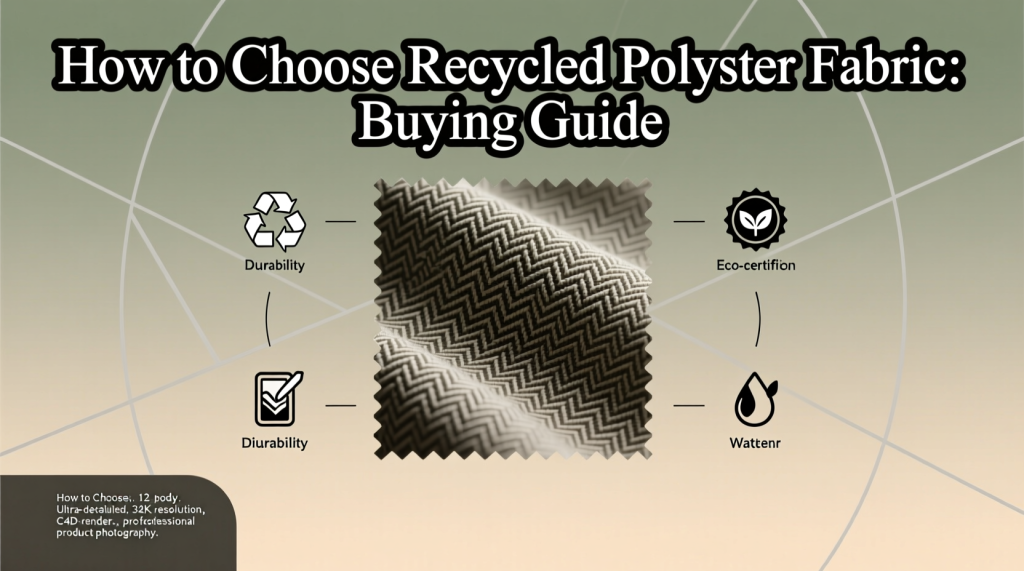
- Assess Material Quality: The longevity of durable goods frequently lies in the materials used. High-quality fabrics, sturdy metals, and solid woods can contribute to the lifespan of the product. Investing in items made from environmentally friendly materials can not only contribute to sustainability but can also offer better durability. Look beyond the price tag to consider what’s really inside.
- Explore Warranty and Support: A lengthy warranty can provide peace of mind and reflect the manufacturer’s confidence in their product. Before purchase, check customer support options, as responsive service can save buyers headaches down the line. Items backed by good warranties are often built with greater care and quality control.
Understanding the intricacies of minimalist purchasing requires effort and research. Consumers should be prepared to delve into product details, reviews, and even the ethical implications of the brands they choose to support. The growing trend of sustainable products requires vigilance; not all eco-friendly claims are created equal. Evaluating a company’s overall commitment to sustainability is crucial, as true minimalism also encompasses responsible purchasing decisions that reflect a larger ethical standpoint.
As we further explore strategies for investing in durable goods, it’s clear that deliberate and thoughtful purchasing not only enhances the consumer experience but cultivates a sense of ownership grounded in quality and purpose. In a world where disposable culture reigns, embracing minimalism equips individuals with the power to make lasting choices that positively impact both their finances and the environment.
| Category | Details |
|---|---|
| Quality Assurance | Investing in durable goods ensures long-term reliability and reduces frequency of replacements. |
| Sustainability | Opting for minimalist choices promotes environmentally friendly practices by minimizing waste. |
| Cost-Efficiency | Investing in high-quality products lowers long-term expenses avoiding repeated purchases. |
| Smart Purchasing | Focus on value over price encourages thoughtful purchasing decisions. |
By adopting these strategies, consumers can embrace a minimalist mindset that prioritizes quality over quantity. This approach not only simplifies buying decisions but also promotes better resource management, aligning with sustainable living goals. Exploring the benefits of minimalism in purchasing durable goods opens a pathway to smarter investments while ensuring financial savings and environmental responsibility. Consider researching brands committed to quality craftsmanship and sustainability for fulfilling your purchasing needs. Transitioning to durable goods is not just about saving money; it is about fostering a lifestyle that cherishes responsible consumption and appreciation for well-made items.
Investing in Quality: The Long-Term Gains
The true essence of minimalism in purchasing durable goods lies in recognizing that quality often outweighs quantity. By shifting our focus from acquiring multiple low-cost items to investing in a few high-quality pieces, we can significantly reduce long-term costs associated with replacement, maintenance, and disposal. But how can consumers effectively identify the long-lasting investments that embody this principle?
Research and Reviews: Making Informed Choices
In a society saturated with choices, research is your best ally. Take the time to read reviews and ratings from fellow consumers. Websites like Consumer Reports and sites that aggregate user feedback provide valuable insights into the performance, durability, and longevity of various products. Look for feedback that highlights the item’s performance over time, as this can reveal potential issues that may not be apparent in the initial evaluations.
It’s also beneficial to consult professional reviews on platforms like CNET for electronics or Architectural Digest for home goods, where experts assess durability alongside functionality. Assessing these insights helps consumers make informed decisions, countering the impulse to succumb to trends.
The Life Cycle Cost Perspective
Adopting a life cycle cost perspective is critical for understanding the true value of durable goods. This approach considers not just the purchase price but also the costs associated with the item’s entire lifecycle, including repairs, maintenance, and utility expenses. For example, investing in energy-efficient appliances may come with a higher upfront cost, yet they can drastically reduce energy bills over the years, showcasing how the initial investment can lead to substantial savings.
Furthermore, many products now come with eco-labels, indicating their efficiency and sustainability. Certifications such as ENERGY STAR for appliances or Fair Trade for textiles not only provide assurance of quality but also offer insights into the environmental impacts associated with those products.
Embracing a Repair and Repurpose Mentality
Another cornerstone of a minimalist lifestyle is adopting a repair and repurpose mentality. Instead of immediately discarding broken items, consider the potential for repair or repurposing. This not only extends the life of products but also diminishes waste—an essential principle of minimalism.
Communities and online platforms increasingly support the DIY culture, making it easier for individuals to learn how to fix their belongings. For instance, using resources from sites like YouTube can empower users to tackle minor repairs themselves. Additionally, local workshops may teach skills that enhance your ability to maintain your purchases effectively.
Evaluating Brand Integrity
Choosing brands that prioritize longevity and sustainability is crucial for minimalists. Investigate companies that emphasize ethical production methods, transparent supply chains, and durable materials. Brands that focus on craftsmanship often produce higher-quality goods designed for longevity.
In the United States, many consumers have turned to local artisans and companies that prioritize sustainability over mass production. This shift not only supports local economies but often results in products that boast unique designs and exceptional durability.
Ultimately, embracing a minimalist approach to purchasing durable goods intertwines financial savvy with a commitment to sustainability and responsible consumption. By investing in quality, being mindful of purchasing decisions, and cultivating a culture of repair and repurpose, consumers can navigate the complexities of modern purchasing with greater confidence and intentionality.
Conclusion: The Path Forward for Conscious Consumers
In today’s fast-paced consumer culture, minimalism in purchasing durable goods presents an opportunity for individuals to rethink their buying habits and invest in long-term value rather than short-term satisfaction. By prioritizing quality over quantity, consumers can significantly enhance their decision-making process when it comes to purchasing durable goods. This intentional approach not only results in cost savings—reducing the frequency of replacements and the hidden expenses associated with maintaining inferior products—but also supports environmentally responsible practices.
As we have explored, leveraging resources such as consumer reviews, understanding life cycle costs, adopting a repair mentality, and valuing brand integrity are essential strategies for savvy buyers. Each of these elements empowers consumers to evaluate their choices critically, enabling them to discern between fleeting trends and timeless quality. Moreover, by championing brands that embrace sustainability and ethical production, consumers can make a positive impact on the environment and support local economies.
Ultimately, adopting a minimalist mindset in purchasing durable goods equips consumers with the tools to create a more intentional and meaningful relationship with what they own. As you embark on this journey of mindful consumption, remember that every conscious choice leads to not only greater financial savings but also fosters a more sustainable future. Embrace the challenge of minimalism in your purchasing decisions, and you may discover a richer, more resourceful lifestyle that provides lasting satisfaction.

Linda Carter
Linda Carter is a writer and organization expert specializing in minimalism and personal organization. With extensive experience helping individuals create clutter-free, functional spaces and adopt mindful habits, Linda shares her knowledge on our platform. Her goal is to empower readers with practical advice and strategies to simplify their lives, stay organized, and achieve a sense of calm and balance in their daily routines.