
How to Create Minimalist Workspaces that Enhance Time Efficiency
The Importance of Time Efficiency
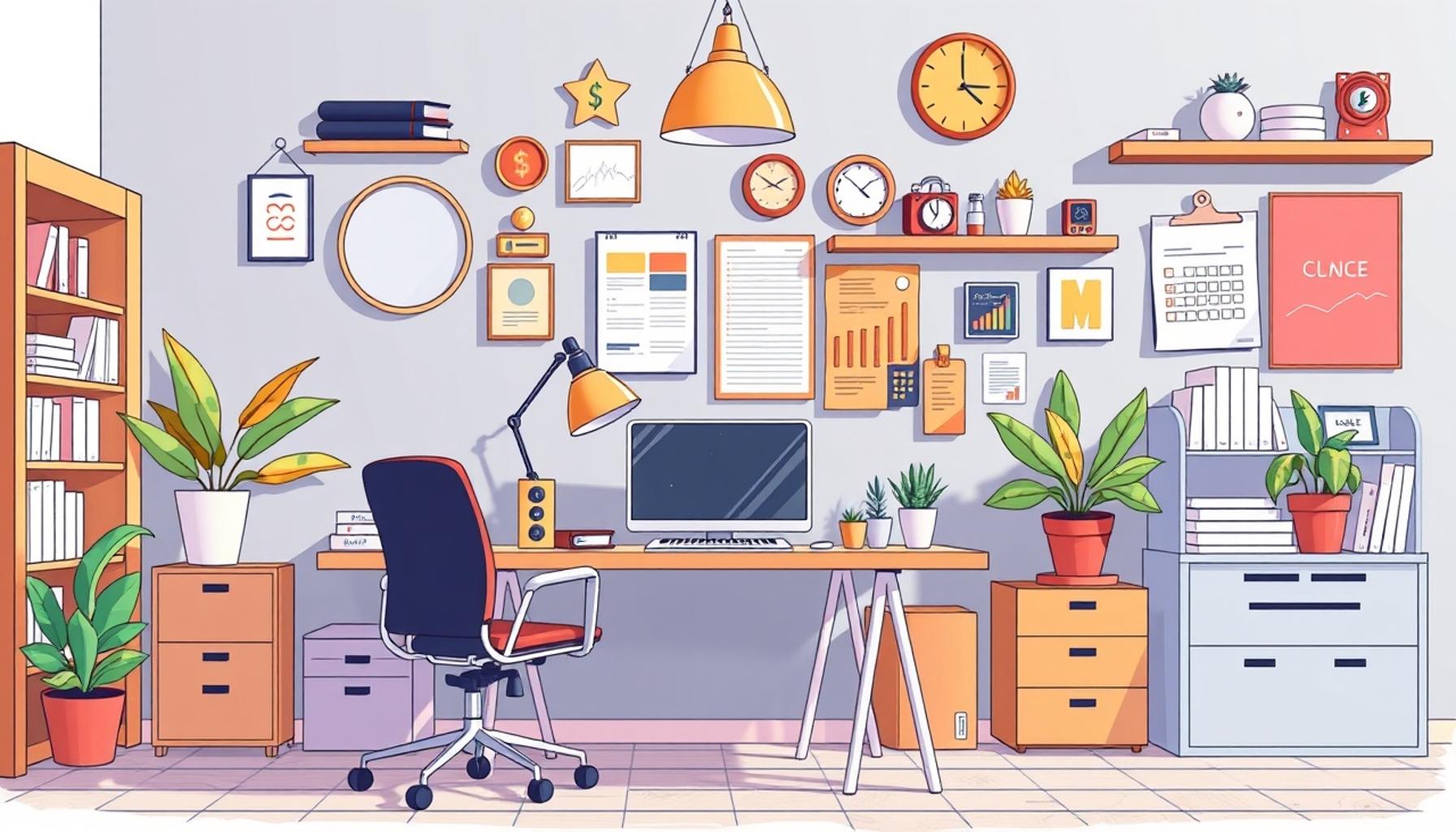
In ever-evolving work environments, time efficiency has become a critical aspect of achieving success. As professionals are often expected to produce high-quality results at an increased pace, the ability to manage one’s time effectively can dramatically differentiate top performers from their peers. By creating a workspace that prioritizes minimalism, individuals can experience enhanced focus, ultimately leading to improved productivity.
Understanding Minimalist Workspaces
A minimalist workspace streams simplicity and functionality into the heart of work processes. Let’s delve deeper into the foundational elements that make a minimalist office effective.
- Decluttered Surfaces: A clean desk is not merely aesthetic; it plays a crucial role in mental clarity. For instance, removing unnecessary papers, gadgets, and knick-knacks prevents the overwhelming sense of chaos that can accompany a cluttered desk. Many successful individuals, from tech moguls to creative leaders, stress the importance of maintaining an organized environment where the mind can concentrate on task-specific tasks rather than visual distractions.
- Essential Tools Only: Evaluate the tools on your desk and retain only those that enhance your productivity. This may include your laptop, a reliable notebook for jotting down ideas, and perhaps a few pens. Items like memorabilia or outdated technology not only waste space but also detract from your efficiency, leading to time wasted searching for essentials or feeling overwhelmed.
- Function-First Furniture: The furniture you choose significantly impacts comfort and productivity. Ergonomic chairs and desks designed to minimize strain and discomfort encourage longer, more focused work periods. For example, many professionals are opting for standing desks that allow flexibility in posture throughout the workday, promoting better physical health while sharpening concentration and energy levels.
Psychological Benefits of a Minimalist Workspace
Research indicates that working in clean, organized spaces can reduce stress levels and decrease the likelihood of making errors. A study published in the Journal of Environmental Psychology found that individuals working in tidy settings reported less mental fatigue and felt more engaged in their tasks. In the context of the United States, where the hustle culture often equates long hours with success, prioritizing a minimalist environment can directly influence mental health and satisfaction.
Designing Your Minimalist Workspace
As you embark on the journey of cultivating your own minimalist workspace, reflect on how your environment directly influences your productivity levels. Think beyond mere aesthetics; consider the emotional impact of a personal sanctuary free from unnecessary distractions. Such a thoughtfully designed space could very well be the key to unlocking your potential and enhancing your overall work experience.
In conclusion, embracing a minimalist workspace is not just a trend but a practical solution to improving time efficiency and work satisfaction in today’s fast-paced society. Understanding this approach and implementing its principles could lead to transformative changes in how we navigate our professional lives.
Principles of Minimalist Workspace Design
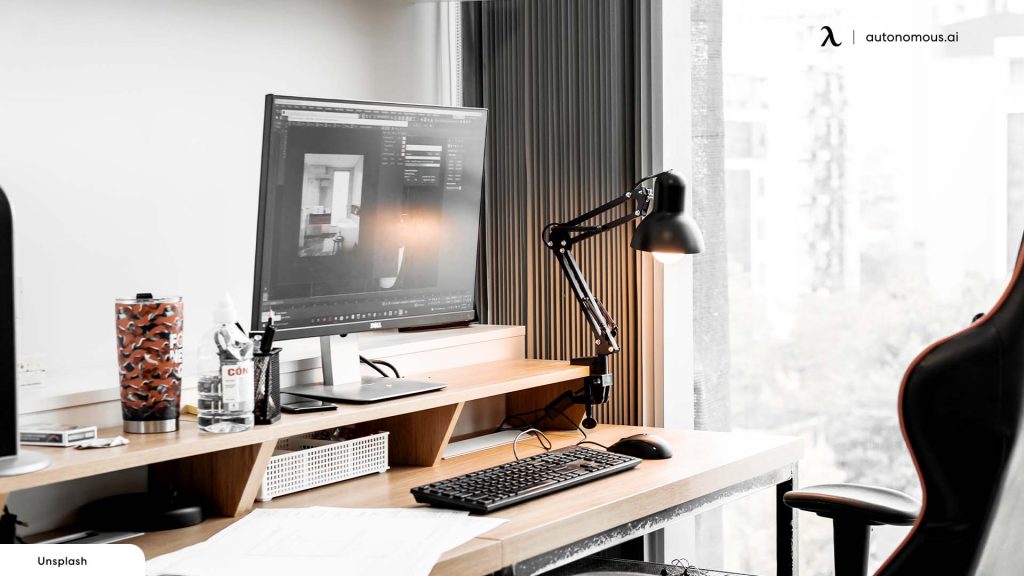
Creating a minimalist workspace is akin to crafting a refined tool for productivity. The key is to streamline both the physical and mental environment to facilitate an optimal workflow. Here are essential principles to consider when designing your workspace:
- Intentional Layout: The arrangement of your workspace should support your daily tasks. A well-thought-out layout minimizes unnecessary movements and integrates the tools you need within arm’s reach. For instance, items you frequently use, such as essential documents or tools, should be placed on the desk’s surface while less critical items can be stored in drawers. This not only speeds up your workflow but also reduces distractions linked to searching for items.
- Natural Light: Studies have shown that natural light enhances mood and cognitive function. Position your workspace near a window to harness daylight, or consider using full-spectrum bulbs that imitate natural light in spaces lacking windows. This can elevate energy levels and prevent the lethargy often experienced in artificial lighting.
- Color Psychology: The colors in your workspace can significantly impact productivity and focus. Soft, neutral tones can create a calming effect, while pops of vibrant colors may stimulate creativity. Consider the psychological effects when selecting paints or chair colors. For example, using blue for calmness or yellow for creativity can influence how you approach tasks.
- Digital Minimalism: In an age dominated by technology, your digital workspace also requires attention. Limit distractions by organizing digital files, minimizing notifications, and utilizing tools that help manage tasks without overwhelming you. Programs like Trello or Asana can keep your projects organized and visually accessible, complementing your physical workspace.
By incorporating these principles, you can ensure that every element of your workspace is geared towards enhancing time efficiency. This focused approach to workspace design not only boosts productivity but also fosters a more supportive atmosphere for creativity and decision-making.
Setting Clear Boundaries
Another essential aspect of a minimalist workspace is creating clear boundaries between work and personal life. For remote professionals especially, this demarcation can be challenging. One effective strategy is to designate specific areas in your home exclusively for work. This physical separation aids your mental state, allowing you to enter “work mode” upon entering the designated space. Establishing a routine around your workspace, such as designated work hours, can also reinforce those boundaries, leading to greater focus during work hours and less temptation to work beyond those limits.
Ultimately, cultivating a minimalist workspace is a multifaceted endeavor that combines aesthetics with functionality and emotional well-being. By thoughtfully considering these aspects, you can transform your workspace into a sanctuary of productivity and time efficiency.
How to Create Minimalist Workspaces that Enhance Time Efficiency
In our fast-paced world, creating a minimalist workspace that promotes focus and enhances time efficiency is crucial. By embracing simplicity, you can eliminate distractions and foster a more productive environment.
One effective approach is to prioritize essential items. This involves evaluating every object on your desk and determining its necessity. Keeping only those items that directly assist your workflow can significantly cut down time spent looking for tools and resources, leading to higher efficiency.
Moreover, consider the importance of ergonomics in a minimalist design. An ergonomic workspace not only promotes health but also increases productivity. Investing in a good chair, arranging your monitor at eye level, and utilizing a proper desk height can have profound effects on your comfort and focus.
Incorporating color psychology into your workspace can also enhance your time management. Soft, neutral colors are often calming and can create a tranquil environment conducive to concentration, while pops of energizing colors can inspire creativity and stimulate productivity.
Additionally, a well-organized digital workspace complements your minimalist physical space. Cataloging files efficiently and reducing digital clutter allows for quick access to important information, often saving you hours over a week. Regularly scheduled digital decluttering ensures continued efficiency.
Finally, setting boundaries with others can significantly improve your workspace’s minimalist approach. Communicate your need for uninterrupted time during work hours, promoting a culture of respect around your productivity needs.
| Category | Benefits |
|---|---|
| Prioritizing Essential Items | Reduces clutter and allows for faster access to necessary tools. |
| Ergonomics | Improves comfort and enhances focus, reducing fatigue during long work hours. |
| Color Psychology | Affects mood and motivation, promoting a productive atmosphere. |
| Digital Decluttering | Enables quicker information retrieval, enhancing time management. |
| Setting Boundaries | Minimizes interruptions, allowing for more focused work periods. |
Implementing these strategies can significantly transform your workspace into a streamlined environment, ultimately leading to improved concentration and enhanced productivity. With minimalism at the forefront, you can reclaim your time and enhance your work efficiency.
Incorporating Functional Furniture
When it comes to designing a minimalist workspace that boosts time efficiency, the choice of furniture plays an instrumental role. Opting for multifunctional furniture pieces can significantly elevate your workspace’s utility while maintaining a minimalist aesthetic. A sleek, height-adjustable desk, for example, not only allows for a seamless transition between sitting and standing but also helps to combat fatigue and enhance focus. Ergonomics should be a priority; invest in a chair that supports your posture, as discomfort can be a formidable distraction.
Another furniture consideration is storage. Instead of cluttering your desk with files and supplies, choose storage solutions that blend with the workspace’s design. Floating shelves or under-desk organizers can keep essentials handy without sacrificing space. The fewer distractions on your desk, the more efficiently you can work. Also, ensure that storage is easily accessible so that time spent searching for items is minimized—this contributes directly to overall time efficiency.
Mindful Personalization
While a minimalist workspace thrives on simplicity, a touch of personalization can enhance emotional engagement and fuel productivity. Carefully curated personal items, such as a single framed photograph or a small plant, can provide motivation and a sense of comfort without leading to a cluttered environment. According to a study from the University of Exeter, the presence of plants in workspaces can increase productivity by up to 15%. Choosing low-maintenance greenery, like succulents, ensures that your personal touch does not undermine the minimalist principle.
Moreover, personalization should extend to your digital workspace. Create custom backgrounds for your computer that inspire you, while limiting desktop icons to only those that are essential for your current projects. This practice promotes a sense of control and clarity, allowing your creativity and focus to flourish.
The Role of Technology in Minimalist Design
Embracing technology can seem contradictory to minimalism, but leveraging efficient tools can greatly enhance time efficiency. Consider integrating productivity apps that streamline your workflow. For instance, using dedicated cloud storage like Google Drive or Dropbox enables easy access to files from any device, reducing the time spent navigating complex server structures or emails. Additionally, visualization tools, such as Kanban boards, help to break down tasks into manageable segments, providing a clear overview that minimizes procrastination.
Regular Maintenance for Sustained Efficiency
A minimalist workspace is an ever-evolving entity; regular maintenance is crucial for preserving its efficiency. Schedule quarterly reviews of both your physical and digital spaces. This practice allows you to assess what items are essential to your workflow and what can be eliminated. By periodically decluttering, you create an environment that continually promotes focus and productivity. A good rule of thumb is the “one in, one out” policy—every time a new item is added, an existing item should be removed.
Ultimately, the journey towards creating a minimalist workspace that enhances time efficiency involves thoughtful design, the right tools, and an ongoing commitment to a balanced and streamlined approach. By embracing these strategies, you can foster a work environment that not only meets your productivity needs but also nurtures your overall well-being.
Conclusion
In conclusion, creating a minimalist workspace that enhances time efficiency is not merely about decluttering; it’s a thoughtful process that integrates design, functionality, and personal engagement. By focusing on functional furniture that brings utility without overwhelming the space, you can foster an environment conducive to productivity and concentration. Remember, your workspace is an extension of your mindset; a well-organized area encourages clarity and creativity.
Incorporating elements of mindful personalization allows you to strike a balance between minimalism and individual expression. A few carefully selected items not only personalize your workspace but can also serve as sources of inspiration that fuel your tasks. On the digital front, keeping your virtual environment streamlined is equally critical for maintaining focus. Utilize effective technologies and apps that simplify your work, helping you to save precious time.
Regular maintenance is essential; it keeps your minimalism intact and ensures your workspace continues to meet your evolving needs. Adhering to a disciplined approach towards decluttering and periodic assessments can prevent reversion to chaotic habits. Ultimately, embarking on the quest for a minimalist workspace is also a journey towards enhancing your overall well-being, as it encourages better physical posture, reduced stress, and improved time management. Ready to redefine your work environment? The principles of minimalism await your exploration, promising a refreshing perspective on productivity and time efficiency.

Linda Carter
Linda Carter is a writer and organization expert specializing in minimalism and personal organization. With extensive experience helping individuals create clutter-free, functional spaces and adopt mindful habits, Linda shares her knowledge on our platform. Her goal is to empower readers with practical advice and strategies to simplify their lives, stay organized, and achieve a sense of calm and balance in their daily routines.