
Creating a Minimalist Calendar: Tools and Techniques to Simplify Your Schedule

Understanding the Minimalist Calendar Approach
As our lives become inundated with an unending flow of information and commitments, the idea of a minimalist calendar emerges as a beacon of clarity in the fog of distractions. This technique is not just about reducing the number of events on your calendar; it’s about reshaping your relationship with your time to maximize value and purpose. A thoughtfully structured minimalist calendar enables you to prioritize time effectively, streamline activities, and minimize stress. By consciously determining what deserves your time and attention, you pave the way toward a more organized and fulfilling life.
The Importance of Clarity
A minimalist calendar fosters clarity by eliminating unnecessary noise. Imagine flipping through a calendar littered with overlapping appointments and vague entries; the confusion can be overwhelming. Conversely, a minimalist calendar provides a clear and straightforward overview of your priorities. For instance, consider a busy professional who neatly categorizes their calendar into two sections: essential meetings and personal time. This straightforward segmentation not only aids in decision-making but also enhances mental clarity, allowing for more productive engagement with each task.
Enhanced Organization
When it comes to organization, a minimalist approach enables easy access to critical tasks without the distractions of less important activities. Using tools such as Trello or Todoist, individuals can create concise task lists that focus solely on key projects. With a few clicks, tasks can be prioritized and tracked, creating a tangible sense of accomplishment as items are checked off. Additionally, utilizing paper planners, especially those that are customizable, can further enhance this organizational clarity, offering a tactile experience that digital solutions often lack.
Maximizing Focus
In our rapidly changing environment, maintaining focus can be a daunting task. A minimalist calendar serves to direct your attention to high-priority activities rather than minutiae. Implementing time-blocking techniques can dramatically enhance productivity. This method involves allocating specific, uninterrupted blocks of time for distinct tasks or projects. For example, a freelancer might designate two hours each morning strictly for client communications, ensuring that during this time, all attention is devoted to that area without the temptation of multitasking. This not only boosts concentration but also facilitates deeper, more meaningful work.
Exploring the Tools
To effectively implement a minimalist calendar, a variety of tools are available. As mentioned, digital solutions like Trello or Todoist allow for quick adjustments and an intuitive user interface. For those who prefer tangible interactions, paper planners or bullet journals can provide a creative outlet for organizing thoughts and tasks. By experimenting with various formats, you can find a system that resonates with your working style.
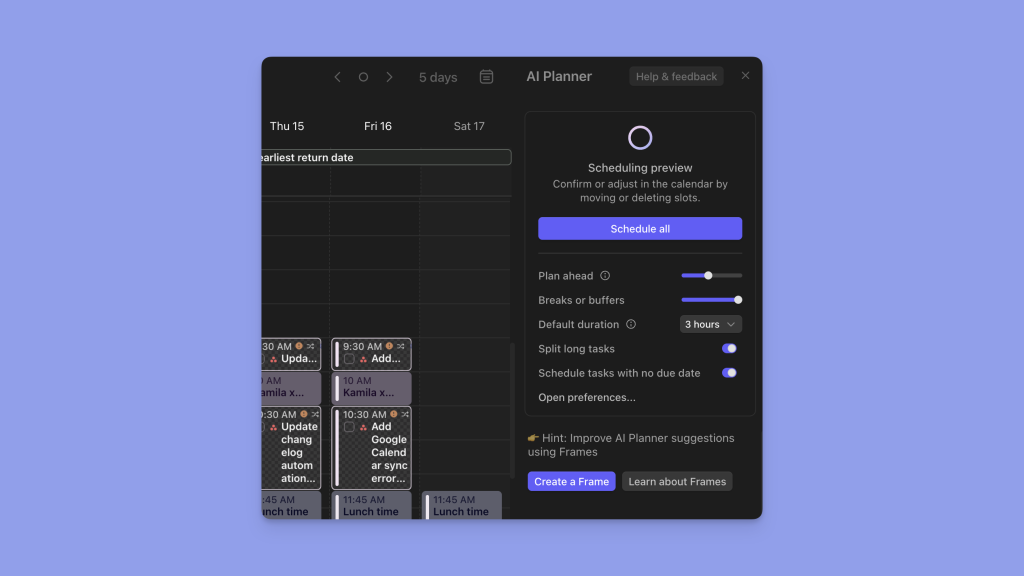
Moreover, consider integrating unique time-management techniques, such as the Pomodoro Technique, which encourages work in focused bursts followed by short breaks. The juxtaposition of work and rest supports sustained engagement while preventing burnout.
In conclusion, optimizing your schedule through a minimalist calendar does not need to be an overwhelming endeavor. By embracing simplicity and clarity, you empower yourself to lead a more organized and intentional life. Whether through digital or analog tools, the key takeaway is to recognize what matters most and craft a calendar that reflects your personal and professional priorities. In doing this, you position yourself not just as a victim of a busy lifestyle but as a master of your time and intentions.
Essential Techniques for a Minimalist Calendar
Creating a minimalist calendar revolves around implementing specific techniques that align your schedule with your priorities and goals. These strategies not only reduce clutter but also enhance your ability to focus on what truly matters. Understanding how to effectively utilize these techniques can dramatically transform your approach to managing time.
Identifying Core Commitments
Before you can chart a serene path through your calendar, you must first identify your core commitments. This involves taking a hard look at what fills your day and distinguishing between essential obligations and superfluous activities. A useful exercise is to conduct a time audit, where you track your activities over a week. Analyze how much time you allocate to work, social obligations, family, and personal projects. By pinpointing where your time is spent, you can make informed decisions about what’s truly necessary.
Batching Similar Tasks
Once you have clarity on your commitments, consider batching tasks to enhance efficiency. This technique involves grouping similar activities together and tackling them in a dedicated time block. For instance, if you’re a small business owner, you might allocate specific hours on Mondays to handle emails, while design work gets its own dedicated time on Wednesdays. By reducing the context-switching that occurs when jumping between different types of tasks, you can maintain deeper concentration and speed up your workflow.
Using the Two-Minute Rule
Another powerful strategy is the Two-Minute Rule, popularized by productivity expert David Allen. This rule suggests that if a task can be completed in under two minutes, do it immediately. By swiftly crossing these small tasks off your list, you clear cognitive space for larger projects and prevent these minor tasks from piling up and cluttering your calendar. This simple technique not only boosts productivity but can also lead to a sense of accomplishment that reinforces momentum.
Prioritizing with the Eisenhower Matrix
The Eisenhower Matrix is an invaluable tool for prioritization, helping you categorize tasks based on urgency and importance. Divide your tasks into four quadrants:
- Urgent and Important: Do these tasks immediately.
- Important, but Not Urgent: Schedule when to do these tasks.
- Urgent, but Not Important: Delegate these if possible.
- Neither Urgent nor Important: Eliminate or minimize these activities.
This framework empowers you to focus on high-impact tasks and confidently disregard less critical obligations that often fill busy schedules without providing substantial value.
Digital vs. Analog: Finding Your Fit
The choice between digital and analog calendars can significantly impact your minimalist journey. Digital tools like Google Calendar and Asana offer automated reminders and integrations that can streamline your scheduling. Conversely, many individuals find that a classic paper planner allows for a tactile engagement that aids memory retention and fosters creativity. Experimenting with both methodologies can yield insights into what suits your personal style best.
Ultimately, the key to a successful minimalist calendar lies in being intentional with your time. By adopting these essential techniques, you’re not merely organizing your schedule; you’re taking ownership of your life’s direction. As you begin to simplify your calendar, you will likely find newfound space for reflection, creativity, and productivity—the true benefits of living a minimalist lifestyle.
| Advantage | Description |
|---|---|
| Enhanced Focus | A minimalist calendar reduces distractions by limiting unnecessary tasks, allowing you to concentrate on what truly matters. |
| Improved Productivity | With less clutter, you can allocate your time efficiently, leading to higher work output and achievement of personal goals. |
A minimalist calendar integrates key tools and techniques designed to streamline your scheduling process. By focusing on essential tasks and eliminating excess, you foster an environment conducive to productivity. Adopting this approach not only enhances your ability to prioritize but also instills a sense of clarity in your daily routine.An effective aspect of this minimalist design is the use of digital tools that sync across devices. Applications like Todoist or Google Calendar offer simple interfaces and allow for quick adjustments while keeping functionality at the forefront. These platforms provide reminders and highlight essential deadlines without overwhelming the user with information.Additionally, the principles of time blocking can significantly aid in the minimalist calendar approach. By dedicating specific time slots for tasks, you can eliminate procrastination and better quantify your achievements. This structured approach yields a sense of accomplishment as you check off completed tasks, making each day more rewarding. Incorporating these methodologies leads to greater efficiency, creating room for adaptability and spontaneity in your schedule. By embracing simplicity, you cultivate a lifestyle propelled by intentionality and focus, driving personal growth and fulfilling your aspirations.
Tools to Enhance Your Minimalist Calendar
While techniques provide a robust framework for simplifying your schedule, selecting the right tools can amplify the effectiveness of these strategies. With a variety of scheduling platforms, note-taking apps, and minimalist planners available today, it’s important to choose tools that foster your personal efficiency and complement your lifestyle.
Digital Tools for Efficiency
When it comes to digital tools, several options stand out for their user-friendly interfaces and functional features. Trello, for instance, operates on a card system that organizes tasks based on projects, making it visually stimulating and easy to manage your priorities at a glance. Its flexibility allows users to customize boards according to personal needs, facilitating a truly personalized scheduling experience.
Another excellent digital app is Notion, which combines note-taking and database management. Users can create their own scheduling dashboards that integrate to-do lists, calendars, and project trackers into one coherent workspace. This all-in-one approach reduces digital clutter by centralizing resources and minimizing the need to switch between apps.
Analog Options: The Power of Pen and Paper
For those who prefer a tactile experience, minimalist planners such as the Bullet Journal offer flexibility in formatting while enabling creative expression. This method allows you to design your calendar by incorporating daily logs, event pages, and even habit trackers, empowering you to make the planner uniquely yours. The act of writing can facilitate deeper cognitive engagement, leading to better retention of tasks and deadlines than typing does.
Similarly, daily planners with simple layouts help to promote structure without overwhelming the user. By including only vital information such as key appointments, to-do lists, and goals, you can easily reflect on your day without getting bogged down in unnecessary details.
Integrating Mindfulness into Your Scheduling
Imbedding mindfulness practices into your scheduling routine can significantly enhance your ability to remain present and focused throughout your day. One effective method is to use a time blocking approach, allocating specific sections of time for focused work, breaks, and even meditation or reflection. By consciously scheduling downtime for relaxation or brief mindfulness exercises, you enhance your overall productivity and prevent burnout.
Leveraging Automation for Seamless Management
Automation tools also play a crucial role in streamlining your calendar management. IFTTT (If This Then That) and Zapier both enable users to create custom automation flows to connect various applications. This means you could automate reminders for specific tasks or have calendar entries create to-do list items without manually entering data. This level of automation can drastically reduce the time needed to stay on top of your schedule.
Constantly Reviewing and Refining
A minimalist calendar is not a static tool but requires regular review and refinement. Set aside time weekly to evaluate your schedule and assess if your commitments are still aligned with your goals. This practice aids in understanding the ebb and flow of your tasks and ensures you remain focused on high-priority activities.
Incorporating these tools into your minimalist calendar allows for a more streamlined and productive engagement with your time. By aligning technology and techniques with your individual preferences, you pave the way for a lifestyle characterized by intentionality and focus. The ongoing pursuit of a simplified schedule not only enhances efficiency but also cultivates a more fulfilling daily experience.
Conclusion: Embracing Minimalism in Scheduling
In conclusion, embarking on the journey of creating a minimalist calendar can profoundly transform how you manage your time and commitments. The integration of effective tools—whether digital applications like Trello and Notion or pen-and-paper methods like the Bullet Journal—enables a tailored approach that harmonizes with your unique lifestyle. By prioritizing clarity and intentionality in your scheduling habits, you pave the way for a more focused and empowered existence.
Moreover, incorporating mindfulness practices and the art of time blocking into your routine further elevates your productivity while safeguarding your well-being. The use of automation tools such as IFTTT or Zapier complements these efforts, adding efficiency and ease to your calendar management. Remember, the key to a successful minimalist calendar is not merely about clearing out tasks, but continually refining your commitments to align with your personal and professional ambitions.
As you delve into this minimalist approach, remain vigilant in your regular reviews, ensuring your schedule reflects your evolving priorities. With dedication and the right strategies, you are not just simplifying your schedule—you are curating a life rich with focus, balance, and purpose. So take the first step today toward a clearer, more intentional tomorrow by embracing the art of simplification in your calendar.

Linda Carter
Linda Carter is a writer and organization expert specializing in minimalism and personal organization. With extensive experience helping individuals create clutter-free, functional spaces and adopt mindful habits, Linda shares her knowledge on our platform. Her goal is to empower readers with practical advice and strategies to simplify their lives, stay organized, and achieve a sense of calm and balance in their daily routines.