
Practical Minimalist Organization Tips to Boost Your Productivity

The Benefits of Minimalist Organization
In today’s fast-paced world, the quest for productivity can often feel overwhelming. With endless tasks and distractions vying for our attention, adopting a minimalist approach to organization can lead to remarkable improvements in efficiency. Streamlining your environment allows you to focus on what truly matters.
When it comes to enhancing your productivity, consider these vital aspects of minimalist organization:
- Clutter-Free Workspace: A clean desk promotes clarity and creativity. Studies show that individuals who maintain a tidy workspace experience higher levels of productivity; they can concentrate better and think more clearly. Imagine a workspace devoid of extraneous items: just your computer, a notepad, and maybe a plant for a touch of life. This kind of environment can significantly enhance your ability to brainstorm and conceptualize ideas, leading to more innovative solutions.
- Digital Declutter: In our technological era, digital clutter can be just as detrimental as physical mess. Organize files and emails to reduce digital overwhelm—it is all too common to lose hours to searching for that one important document buried beneath layers of unnecessary files. Utilize cloud storage solutions like Google Drive or Dropbox that allow not just for file storage but also for efficient categorization. Setting aside time each week for digital maintenance can vastly improve your workflow.
- Essentials Only: Keep only the items that serve a purpose in your workspace. This principle extends beyond the physical, incorporating the digital realm. Apply the “one in, one out” rule: for every new item you introduce into your workspace or digital life, remove one existing item. By limiting yourself to essentials, you create a more focused work environment.
Effective organization extends beyond just physical space. By implementing minimalist strategies, you can:
- Enhance Focus: Fewer distractions lead to deeper concentration. Neuroscience research indicates that multitasking can severely impair our cognitive function. By concentrating on one task at a time with a minimalist approach, you not only remain engaged longer but also produce higher-quality work.
- Save Time: Easy access to essential items streamlines your day. Imagine a scenario where every file you need is easily navigable, reducing the time spent sifting through your desktop—a situation all too familiar for many. By creating a streamlined file structure, you ensure that your workday runs smoothly.
- Reduce Stress: An orderly environment promotes a calm mind. Psychological studies have shown that an organized space can significantly lower stress levels. When your workspace is clean and your tasks are manageable, you are less likely to experience anxiety about what’s next on your agenda.
Minimalist organization isn’t just a trend; it’s a practical solution for boosting productivity and enhancing daily life. By embracing simplicity, you can unlock your potential and achieve your goals more efficiently than ever. Whether you are a student on a tight schedule or a professional managing multiple projects, adopting minimalism in your organization can lead to transformative results. It invites you to prioritize what’s essential, paving the way for a more focused and fulfilling life.
If you’re curious about how to incorporate these principles into your daily routine, consider starting with small changes. Gradually refine your space and digital presence until you find a balance that allows you to thrive.
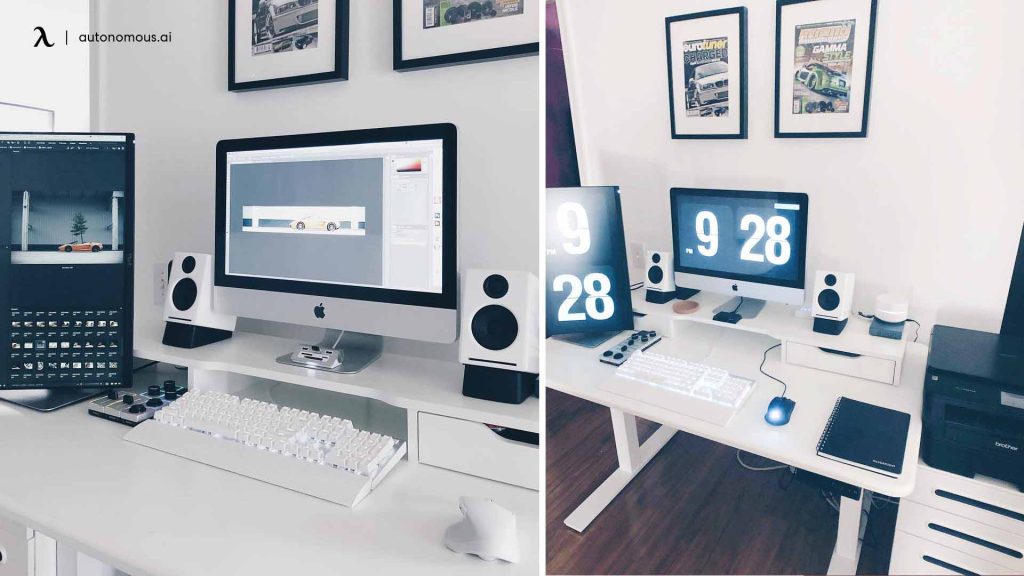
Creating a Balanced Space for Productivity
Establishing a minimalist organization system starts with evaluating your workspace. A well-ordered environment can significantly influence your productivity levels, and small changes can lead to big results. Here are some practical tips to create a balanced space that fosters both efficiency and creativity:
- Identify Your Must-Haves: Begin by assessing the items on your desk—ask yourself what is truly essential. Keep only tools you use regularly, such as your laptop, a notepad, and perhaps a personal item that inspires you. This practice not only declutters your physical space but also helps narrow down your focus, making it easier to concentrate on pressing tasks.
- Designate Functional Zones: Organizing your workspace into specific zones can heighten efficiency. For example, create an area specifically for computer work, another for writing, and one for pertinent materials such as books or reference guides. By segmenting your space, you enable a mental shift that encourages productivity flow within each zone.
- Embrace Vertical Space: In a quest for minimalist organization, don’t overlook vertical spaces. Utilize wall-mounted shelves or pegboards to store items without taking up valuable desk real estate. This approach keeps essential tools within reach while maximizing your workspace, which is especially beneficial in smaller areas.
- Adopt a Regular Cleaning Routine: Incorporating a weekly clean-up ritual can maintain your space’s tidiness. Dedicate time on Fridays or Sundays to sort through papers and reorganize items. If you create a habit of resetting your space regularly, your workspace will naturally remain clutter-free and conducive to productivity.
In addition to optimizing your physical workspace, consider the following strategies to enhance productivity through organization:
- Utilize Task Lists: Implementing organized task lists can dramatically streamline your daily activities. Break down larger projects into smaller, actionable steps and prioritize them according to deadlines. Tools like Trello or Asana can help you manage tasks visually, keeping your focus on completion rather than simply remembering what needs to get done.
- Set Time Blocks: Pair your organized task lists with structured time blocks throughout your day. Allocate specific periods for focused work, ensuring you dedicate uninterrupted time to high-priority tasks. The Pomodoro Technique, for example, suggests working in 25-minute intervals, followed by a 5-minute break—an effective method to maintain concentration without burnout.
- Minimize Notifications: Digital distractions can hinder your productivity significantly. Take control of your digital environment by turning off non-essential notifications on your phone and computer. Establish set times for checking emails or messages so you can work without interruptions.
By implementing these practical minimalist organization tips, you can create a workspace that not only serves as a functional hub but also optimizes your productivity. As you declutter and organize, you’ll find greater ease in focusing on the tasks at hand, allowing both your creativity and efficiency to flourish.
| Productivity Tip | Details |
|---|---|
| Declutter Your Workspace | Removing unnecessary items can lead to less distraction and increased focus, paving the way for enhanced productivity. |
| Use Task Batching | Group similar tasks together to minimize transition times and improve efficiency in completing tasks, ultimately leading to a more streamlined workflow. |
Practicing minimalist organization can significantly impact not only the workspace but also your mental clarity. By decluttering, you create a peaceful environment that fosters creativity and efficiency. The sight of a clean desk can evoke a sense of calm, allowing your mind to focus on what truly matters. Furthermore, employing the technique of task batching helps to reduce cognitive load. Instead of frequently switching between different types of tasks, focusing on one kind at a time leads to a better use of time and resources. This method enables individuals to develop a rhythm, enhancing their overall productivity and ensuring that goals are met effectively. Incorporating such practical, minimalist tips into your daily routine transforms productivity levels, enabling you to achieve more with less clutter both physically and mentally.
Cultivating Mindful Habits for Lasting Productivity
Aside from organizing your physical workspace, cultivating mindful habits can further enhance your productivity in a minimalist approach. Implementing strategies that foster mental clarity and intentionality can produce a significant impact on your work efficiency. Here are more practical tips to consider:
- Adopt a ‘One In, One Out’ Policy: To maintain a minimalist workspace, embrace the concept of only allowing new items into your space if you are prepared to let go of something else. This principle encourages you to be intentional with your belongings, leading to a less cluttered environment. Whether it’s a new book or a gadget, assess its actual utility in your workflow before making it a permanent fixture.
- Digital Decluttering: Just as physical clutter can bog you down, a disorganized digital space can detract from your productivity. Regularly sort through your digital files, deleting or archiving documents that are no longer relevant. Utilize cloud storage solutions for easy access and organization. Creating a systematic folder structure can help you find essential documents without wasting time searching or feeling overwhelmed.
- Establish a Morning Routine: Starting your day with a structured routine can set the tone for increased productivity. Spend some time on activities that boost your mental clarity, such as meditation, journaling, or a brief workout. A consistent morning ritual can prepare your mind to tackle tasks with enthusiasm and a clear focus, making your work sessions more productive.
- Set Clear Boundaries: Establishing boundaries is crucial when transitioning into a minimalist organizational structure. This includes setting specific hours for work and personal tasks. Informing colleagues and family about your unavailable periods can minimize interruptions, paving the way for deeper concentration. Additionally, having clear workspace boundaries helps in establishing a psychological separation between work and personal life, which is essential for sustaining productivity.
Moreover, consider the role of technology in supporting your minimalist organizational goals:
- Leverage Productivity Apps: Various productivity apps and tools are designed to support minimalism in organization. Applications like Todoist can help you create clean, focused task lists, while Evernote allows you to consolidate notes and documents in one place. These digital solutions can replace cluttered notebooks and sticky notes, creating a streamlined process for managing your tasks.
- Automate Repetitive Tasks: Identify repetitive tasks that consume unnecessary time and look for ways to automate them. For instance, using tools like Zapier can connect different applications, allowing you to automate workflows. This can reduce manual input and free up your mental energy for more critical decision-making and creative tasks.
- Practice Mindful Breaks: Structured breaks are vital for sustaining productivity throughout the day. Try incorporating techniques such as the 52/17 method, where you work for 52 minutes followed by 17 minutes of break. This approach promotes mental refreshment, helping you return to tasks with renewed focus and clarity, aligning with the minimalist principle of working efficiently rather than excessively.
As you embrace these habits, you may find that a more organized and minimalistic approach to your work life not only enhances your productivity but also promotes a healthier work-life balance. The strategy is to remain intentional, consistently evaluate your practices, and adapt as necessary to maintain a workspace that amplifies your potential.
Conclusion: Embracing Minimalism for Enhanced Productivity
In a world inundated with distractions and excess, adopting a practical minimalist organization approach can dramatically elevate your productivity levels. By decluttering both your physical and digital spaces, establishing mindful habits, and embracing technology strategically, you can achieve a harmonious balance between efficiency and clarity. The fundamental principles of minimalism—intentionality, focus, and simplicity—serve as guiding pillars for creating a workspace that fosters not only productivity but also well-being.
Utilizing the ‘One In, One Out’ Policy helps cultivate awareness about your belongings and their impact on your workflow. Coupled with digital decluttering, your ability to access crucial information becomes effortless, further streamlining your productivity processes. Additionally, establishing structured routines and clear boundaries ensures that your focus remains unwavering amidst life’s chaos.
As you explore various productivity apps and implement task automation, you unleash new opportunities for efficiency while preserving your mental energy for meaningful work. It’s essential to recognize that the essence of minimalism lies in its adaptability; as needs evolve, so too can your organizational strategies.
Ultimately, embracing these practical minimalist organization tips not only supports your professional endeavors but also nurtures a healthier work-life balance. By continually evaluating and fine-tuning your organizational habits, you can unlock your full potential, paving the way for sustained success and fulfillment. So, take the plunge, declutter your life, and witness the transformative effects of minimalism on your productivity.

Linda Carter
Linda Carter is a writer and organization expert specializing in minimalism and personal organization. With extensive experience helping individuals create clutter-free, functional spaces and adopt mindful habits, Linda shares her knowledge on our platform. Her goal is to empower readers with practical advice and strategies to simplify their lives, stay organized, and achieve a sense of calm and balance in their daily routines.